2026 Top Pp Corflute Sheet Buyers Guide How to Choose?
When considering the best options for Pp Corflute Sheet, expert insights are invaluable. John Smith, a renowned material specialist, once stated, “Choosing the right Pp Corflute Sheet is essential for durability and performance.” This emphasizes the importance of making informed decisions in a market filled with options.
Pp Corflute Sheets are versatile and widely used across various industries. Their lightweight nature and resistance to water make them popular. However, potential buyers often face challenges understanding quality differences. Not all products on the market meet the necessary standards, leading to confusion. Buyers may hope for reliable suppliers, yet often end up disappointed.
Navigating this landscape requires careful consideration. Features such as thickness, color options, and UV resistance play crucial roles. Pay attention to these details when selecting Pp Corflute Sheets. The choices may seem overwhelming, but with the right information, you can make better decisions.
Understanding Corflute Sheets: Definition and Benefits
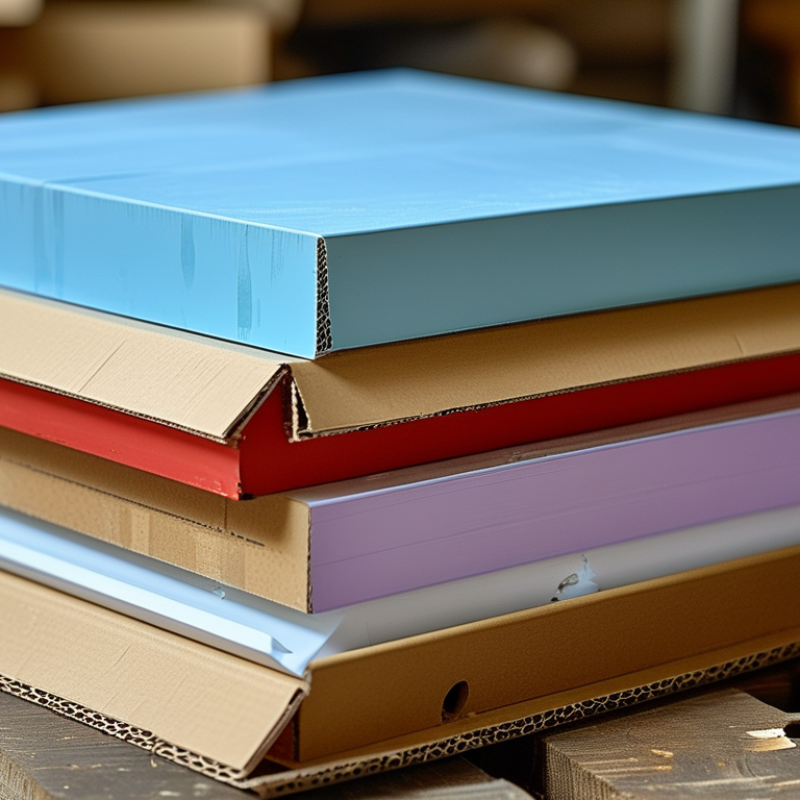
Corflute sheets, made from polypropylene, are gaining popularity in various industries. These lightweight materials are durable and moisture-resistant, making them ideal for outdoor signage and temporary structures. A 2022 industry report noted that demand for corflute sheeting rose by 15% in the past year due to their cost-effectiveness and versatility. Many businesses prefer them for advertising, as they are easy to print on and can withstand the elements.
In addition to their practical applications, corflute sheets are also recyclable, which adds to their appeal. A recent sustainability survey indicated that 70% of companies consider eco-friendly materials essential in their purchasing decisions. However, the challenge remains in ensuring proper recycling processes are in place. Many consumers still lack awareness about the recyclability of corflute, potentially leading to improper disposal. This raises questions about the recycling infrastructure in various regions.
Choosing the right corflute sheet involves understanding its specifications and applications. While thicker sheets offer better durability, they may also be less flexible. This trade-off can affect usability depending on the project’s requirements. Additionally, not all corflute sheets are produced with the same quality, which makes it crucial for buyers to evaluate material grades. Reliable sources like industry reports can help inform these decisions, but personal research is equally important.
Key Factors to Consider When Choosing Corflute Sheets
When choosing corflute sheets, several key factors come into play. The thickness of the material is crucial. Standard options range from 3mm to 10mm. Thicker sheets offer better durability but can be heavier. Think about the intended use as well. Indoor and outdoor applications may require different thicknesses and finishes.
Next, consider the weight. Corflute sheets are known for their lightweight nature. This makes them easy to handle and transport. However, lighter sheets may not withstand strong winds or heavy impacts. It's important to balance weight with robustness based on your specific needs.
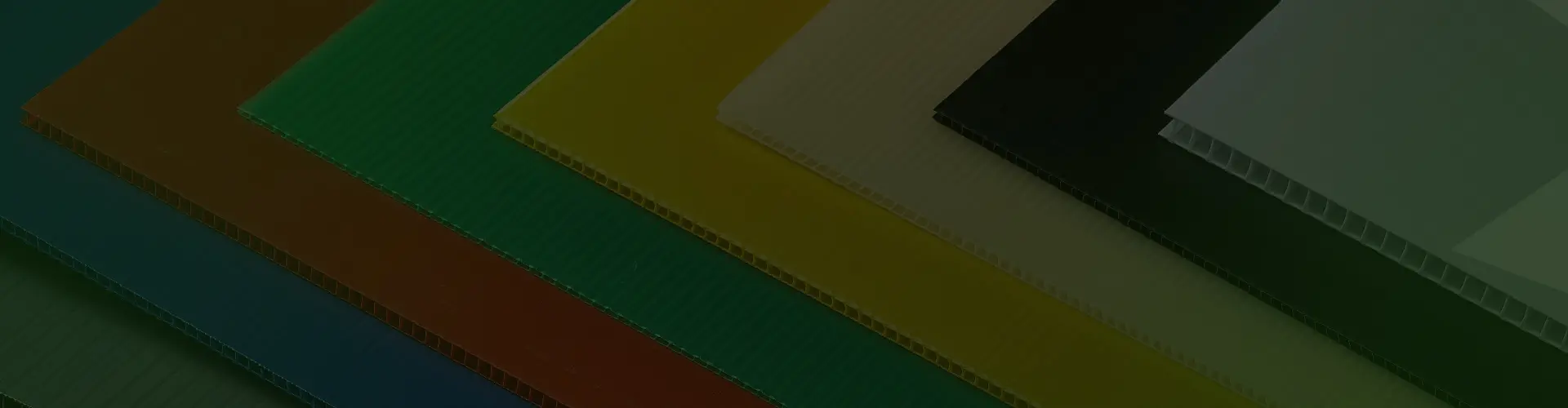
One often overlooked aspect is the color and printability of the sheets. Bright, vibrant colors attract attention and enhance visibility. If you plan to print on corflute, ensure the surface allows for high-quality graphics. Reflecting on these factors will help you avoid common pitfalls when selecting corflute sheets. Making the right choice now can lead to better long-term results.
Types of Corflute Sheets Available on the Market
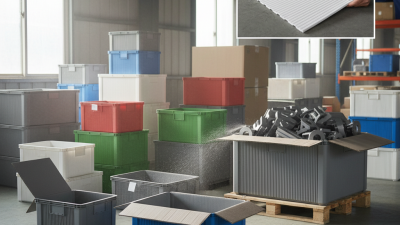
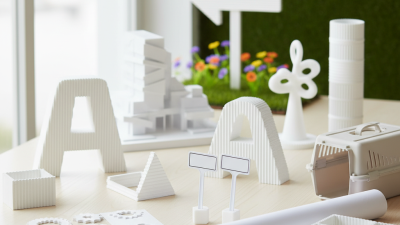
When exploring the various types of corflute sheets available on the market, it is essential to understand their unique characteristics. Corflute sheets are lightweight, durable, and moisture-resistant, making them ideal for a multitude of applications. Common types include standard corflute, reinforced corflute, and foamed corflute. Standard corflute sheets are perfect for signage and temporary structures, while reinforced options offer increased strength for construction projects.
Industry reports indicate that the demand for corflute sheets is steadily rising. For instance, a recent study found that the global corflute market is projected to grow at a CAGR of 4% through 2027. This growth is driven by the construction and advertising sectors. In contrast, the versatility of foamed corflute makes it suitable for packaging and insulation purposes. The choice of corflute type depends on the specific requirements of your project, including load-bearing capacity and environmental exposure.
It’s crucial to consider factors such as thickness and weight when selecting corflute sheets. A thinner sheet may be more affordable but less durable under heavy use. Real-world applications reveal that choosing the right type can significantly impact performance. Some buyers have overestimated the strength of standard corflute, leading to unexpected failures in high-stress situations. Awareness of these nuances is vital for informed purchasing decisions.
Recommended Suppliers and Their Product Offerings
When selecting corrugated plastic sheets, understanding suppliers and their product offerings is vital. The market has seen a significant demand increase; recent reports indicate a growth rate of 4.5% annually. This boom reflects the versatility and durability of materials, essential for various applications, from signage to packaging.
Several key suppliers excel in providing high-quality pp corflute sheets. They typically offer multiple thicknesses and colors, catering to diverse customer needs. Many of these suppliers emphasize recycled materials, aligning with increasing environmental awareness. However, buyers should verify claims of sustainability to ensure the authenticity and quality of the products offered.
While price considerations often guide purchasing decisions, the relationship between cost and quality can't be ignored. A cheaper product might compromise durability and usability. It’s crucial to consider long-term value instead of only short-term benefits. This approach ensures that the selected sheets meet specific project requirements without regrets.
2026 Pp Corflute Sheet Buyers Guide - Sales Volume by Type
Care and Maintenance Tips for Corflute Sheets
Corflute sheets are versatile and durable, often used for signs and displays. To prolong their life, proper care and maintenance are crucial. Regularly clean the sheets using mild soap and water. Avoid abrasive cleaners that could scratch the surface. If the sheets are exposed to harsh weather conditions, consider storing them indoors when not in use.
For optimal performance, ensure the sheets are handled carefully. Avoid bending or forcing them, as this can cause permanent damage. When cutting corflute, use a sharp knife for clean edges. This helps maintain their professional appearance. Take time to inspect the sheets for any signs of wear or damage. Small tears can be repaired with tape, but larger issues might require replacement.
Pay attention to how corflute sheets are displayed. Direct sunlight can cause fading over time. If displaying outdoors, consider using UV-resistant coatings. This can help mitigate the effects of sunlight exposure. Storing sheets flat will prevent warping. It’s essential to reflect on these practices to enhance the longevity of your corflute sheets.
2026 Top Pp Corflute Sheet Buyers Guide
| Dimension (mm) |
Thickness (mm) |
Color Options |
Weight (kg/m²) |
Typical Uses |
Care Instructions |
| 1220 x 2440 |
5 |
White, Yellow, Blue, Green |
2.6 |
Signage, Displays |
Wipe clean with a damp cloth, avoid harsh chemicals. |
| 600 x 900 |
3 |
White, Red, Black |
1.5 |
Point of Sale, Event Displays |
Store in a cool, dry place, avoid direct sunlight. |
| 900 x 1200 |
4 |
White, Gray |
2.0 |
Exhibitions, Construction Sites |
Clean with mild soap and water, do not bend. |
| 1200 x 2400 |
6 |
White, Multicolor |
3.0 |
Billboards, Outdoor Signage |
Avoid sharp objects, can be rinsed if dirty. |