2026 Best Corrugated Plastic Uses and Benefits Explained?
Corrugated Plastic is becoming increasingly popular across various industries. Mark Thompson, a leading expert in the field, states, “Corrugated Plastic offers unparalleled versatility and durability.” These qualities make it ideal for numerous applications, from packaging to signage.
In recent years, businesses have begun to recognize the benefits of Corrugated Plastic. Its lightweight nature reduces shipping costs. Companies appreciate how easily it can be customized for branding or specific needs. However, the environmental impact of using plastic remains a concern. Many still wonder if the benefits outweigh this issue.
Specialists encourage exploring innovative uses of Corrugated Plastic. Its potential in construction and agriculture is noteworthy. Still, it’s crucial to address the sustainability aspect as industries evolve. By focusing on responsible practices, the future of Corrugated Plastic could be bright.
Overview of Corrugated Plastic and Its Characteristics
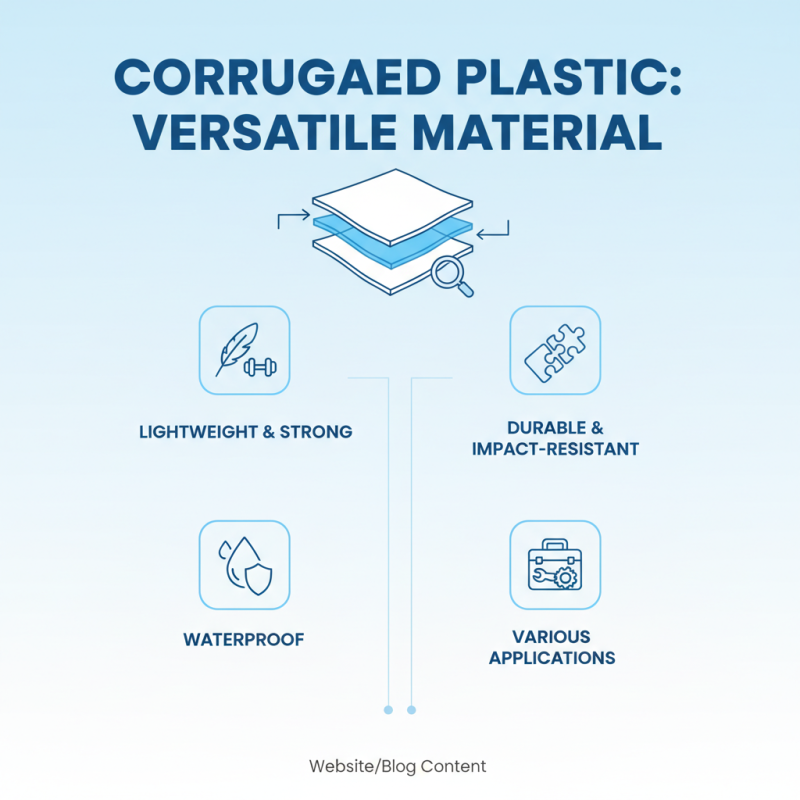
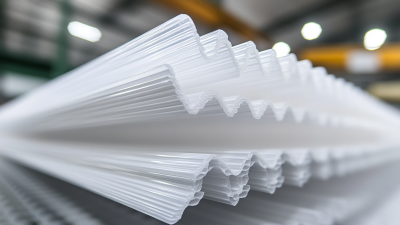
Corrugated plastic is a versatile material. It is lightweight yet strong, making it perfect for various applications. The structure features a fluted core sandwiched between two flat surfaces. This design provides durability and resistance to impact. The material is also waterproof, which adds to its appeal.
Tips: When selecting corrugated plastic, consider its thickness and color. Thicker sheets offer better strength but may weigh more. Choose colors that align with your project for added visual impact.
Another characteristic of corrugated plastic is its flexibility. It can be easily cut into different shapes. This adaptability makes it popular for signage and display boards. However, improper cutting methods can lead to jagged edges. Taking your time during this process can improve the final product.
Tips: Always use a sharp knife when cutting. This will help achieve clean edges and prevent damage. Experimenting with various cutting techniques may yield better results.
Common Applications of Corrugated Plastic in Various Industries
Corrugated plastic has found widespread applications across various industries. Its lightweight yet durable nature makes it popular for signs, packaging, and construction. In a 2021 report by Smithers Pira, the global corrugated plastic market was valued at approximately $6 billion. This indicates strong growth potential.
In agriculture, corrugated plastic serves multiple purposes. It is frequently used for protective coverings, portable storage, and even plant trays. According to industry studies, about 30% of growers prefer using this material, thanks to its flexibility and resistance to moisture. However, some users have raised concerns about its environmental impact, emphasizing the need for sustainable disposal methods.
The advertising sector also benefits from corrugated plastic. It is often employed for promotional signage and displays. A 2022 survey revealed that 75% of businesses reported increased visibility using corrugated plastic signs. While effective, the challenge remains in balancing productivity with the material's recyclability. Debates continue on this topic, highlighting the need for responsible use in promotional campaigns.
Benefits of Using Corrugated Plastic Over Traditional Materials
Corrugated plastic offers several advantages over traditional materials like wood or metal. It is lightweight, making it easy to transport and install. This type of plastic is also waterproof, which can protect your items from moisture damage. Unlike wood, it won’t rot or warp over time. This durability is beneficial for outdoor uses, such as signage and garden beds.
Another key benefit of corrugated plastic is its versatility. It can be cut, shaped, and molded into various forms. This adaptability allows it to be used in art projects, packaging, and protective barriers. Additionally, it is recyclable, which is a positive factor for environmentally conscious consumers. However, it may lack the aesthetic appeal of wood or metal, which some people prefer.
Cost is another consideration. Corrugated plastic tends to be less expensive than many traditional materials. This can be a double-edged sword. While it suits tight budgets, it may not offer the longevity some projects require. In some cases, investing in higher-quality materials could save time and costs in the long run. Overall, the choice depends on the specific needs of each project.
2026 Best Corrugated Plastic Uses and Benefits Explained
| Use Case |
Description |
Benefits |
| Signage |
Durable and lightweight signs for advertising and information. |
Weather-resistant, customizable, and economical |
| Protective Packaging |
Used for packing fragile items to prevent damage. |
Lightweight yet sturdy, reduces shipping costs |
| Containers and Storage |
Reusable containers for storage and transport. |
Stackable, easy to clean, and resistant to moisture |
| Construction and Renovation |
Temporary walls or barriers, and protective sheets. |
Cost-effective, easy to install, and provides insulation |
| Agriculture |
Plant protection, signage, and crafting planting trays. |
Durable, UV resistant, and lightweight for easy handling |
Environmental Impact and Recyclability of Corrugated Plastic
Corrugated plastic is becoming increasingly popular. Its environmental impact deserves attention. Made from polypropylene, it is often considered a lightweight alternative to traditional materials. This can be a double-edged sword.
On one hand, corrugated plastic is durable and versatile. It can be reused and repurposed. This reduces waste to some extent. However, not all users dispose of it responsibly. Mismanagement can result in environmental harm. Many people overlook its recyclability. It can be recycled, but awareness is low.
The recycling process itself can be inefficient. Many facilities don’t accept corrugated plastic. This leads to an increase in landfill waste. Awareness campaigns could help inform users. Still, we must work on creating better recycling systems. A shift in perception can lead to beneficial outcomes for our planet. Consider the implications of your choices. Every small step can make a difference.
Future Trends in Corrugated Plastic Usage and Innovation
The future of corrugated plastic looks promising, driven by innovation and sustainability. According to a recent report by ResearchAndMarkets, the global corrugated plastic market is expected to reach $16 billion by 2026, growing at a CAGR of 8%. This rise highlights the increasing demand for lightweight and durable materials in various industries. Construction, packaging, and advertising are leading sectors embracing this trend.
One notable innovation is the development of biodegradable corrugated plastics. These materials can decompose without harming the environment, addressing the growing concern about plastic waste. Companies are experimenting with new formulations that maintain strength while offering eco-friendly alternatives. However, the technology is still in its early stages. It requires further refinement to ensure competitive performance compared to traditional plastics.
Furthermore, smart technologies are being integrated into corrugated plastics. Sensors can monitor conditions inside packaging for perishables, ensuring freshness. However, the cost and complexity of these smart solutions present challenges for widespread adoption. Industries must weigh the benefits against potential difficulties. As the demand for innovation grows, the focus on enhanced functionalities and sustainability will remain crucial.