Best Pp Corrugated Sheets for Your Packaging Needs?
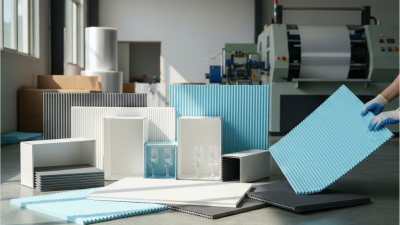
In the ever-evolving packaging industry, the demand for high-quality materials is paramount. PP corrugated sheets have emerged as a versatile solution due to their exceptional durability and lightweight nature. According to Smithers Pira, the global packaging market is projected to reach $1 trillion by 2024, highlighting the significance of reliable packaging materials. The increasing trend towards sustainable practices further amplifies the appeal of PP corrugated solutions.
PP corrugated sheets are not only cost-effective but also eco-friendly, being recyclable and reusable. A study published by Grand View Research indicates that the global demand for corrugated packaging materials is expected to grow at a CAGR of 4.7% by 2030. However, while choosing the best PP corrugated sheets, factors such as thickness, strength, and customization options must be considered. Meaningful choices can enhance packaging performance and reduce the environmental footprint.
Not all products meet the diverse needs of industries, and manufacturers must learn from market feedback. This could support ongoing improvements in product design and materials used. Businesses face pressure to deliver exceptional packaging that aligns with consumer expectations. The challenge lies in balancing cost, quality, and sustainability while navigating a crowded market landscape.
Types of PP Corrugated Sheets Suitable for Packaging
When selecting PP corrugated sheets for packaging, understanding the different types can greatly enhance your decision-making. PP corrugated sheets are lightweight and durable, making them an ideal packaging solution across various industries. A recent industry report indicates that the demand for these sheets is projected to grow by 7.5% annually until 2026. This surge is attributed to their cost-effectiveness and recyclability.
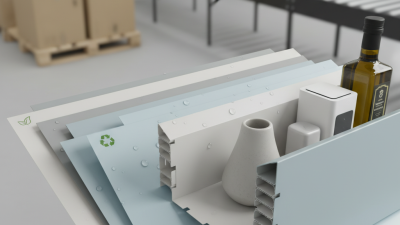
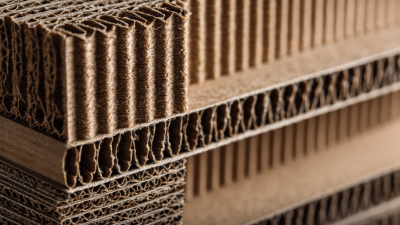
There are mainly two types of PP corrugated sheets used in packaging: solid double-wall and hollow-wall. Solid double-wall sheets offer added strength and rigidity, suitable for heavy-duty applications. Meanwhile, hollow-wall sheets are lighter and more flexible, making them perfect for lightweight products. A survey from Packaging Industry Insights revealed that 65% of companies prefer hollow-wall sheets for shipping, citing their efficiency in reducing transportation costs.
While choosing the right type, consider factors such as load capacity and intended use. Some businesses may overlook the importance of custom dimensions, which can lead to wasted space in shipping. Additionally, the thickness of the sheet can impact its shelf life and structural integrity. By evaluating these aspects, companies can ensure they are making informed choices that align with their packaging needs.
Best PP Corrugated Sheets for Your Packaging Needs
| Type of PP Corrugated Sheet |
Thickness (mm) |
Weight (kg/m2) |
Applications |
Durability |
| Standard PP Corrugated Sheet |
2.5 |
0.85 |
General Packaging |
Medium |
| Anti-Static PP Sheet |
3.0 |
1.00 |
Electronics Packaging |
High |
| UV Resistant PP Sheet |
4.0 |
1.20 |
Outdoor Signage |
Very High |
| Recycled PP Sheet |
2.0 |
0.75 |
Eco-friendly Packaging |
Medium |
| Heavy-Duty PP Sheet |
5.0 |
1.50 |
Industrial Packaging |
Extra High |
Key Features to Consider When Choosing PP Corrugated Sheets
When selecting PP corrugated sheets for packaging, it's vital to consider several key features. Durability is a major factor. These sheets should withstand physical stress and environmental conditions. Look for a thickness that suits your needs. Thicker sheets offer better protection but may weigh more. Weight can affect shipping costs.
Flexibility also plays a critical role. The ideal sheet should bend without breaking. If your packaging needs change frequently, flexible sheets can adapt easily. Transparent options can showcase your products, adding aesthetic appeal.
Tips: Always test the sheets before finalizing your order. A sample can reveal its true durability and flexibility. Check for any manufacturing defects that may compromise product safety. Finally, consider your bulk ordering options. Buying in larger quantities can lead to cost savings, but ensure you have the right storage space to handle the inventory.
Benefits of Using PP Corrugated Sheets in Packaging Solutions
PP corrugated sheets are an excellent choice for packaging solutions. Their lightweight design offers substantial benefits, especially for shipping and storage. These sheets are durable and resistant to moisture, ensuring that your products are protected from environmental factors. They can withstand various impacts, making them ideal for fragile items.
Another significant advantage is their recyclability. With the increasing focus on sustainability, using recyclable materials in packaging is more important than ever. PP corrugated sheets can be reused and recycled, reducing waste. They provide not only protection but also contribute positively to the environment.
However, it's essential to consider their limitations. While they are sturdy, they might not support extremely heavy loads. In some cases, they may not be as visually appealing as other materials. Evaluating the specific needs of your packaging and balancing durability with aesthetics is crucial for effectiveness.
Benefits of Using PP Corrugated Sheets in Packaging Solutions
Comparison of PP Corrugated Sheets vs. Other Packaging Materials
When discussing packaging materials, PP corrugated sheets stand out for several reasons. They are lightweight, durable, and resistant to moisture, making them ideal for various applications. Unlike traditional materials, PP sheets are flexible and provide excellent cushioning for fragile items. They won't easily tear or break, giving added confidence in their protective capabilities.
However, comparing PP corrugated sheets to alternatives like cardboard or plastic is essential. Cardboard is more eco-friendly but lacks the durability that PP offers. It can become soggy in wet conditions, leading to product damage. Plastic options provide robust protection but can be less sustainable and more expensive.
While PP sheets seem superior, they also come with some drawbacks. They may be less biodegradable than other materials, raising environmental concerns. Additionally, their production process may involve higher energy consumption. Balancing these factors is crucial when selecting the right packaging material for your needs.
Applications of PP Corrugated Sheets in Various Industries
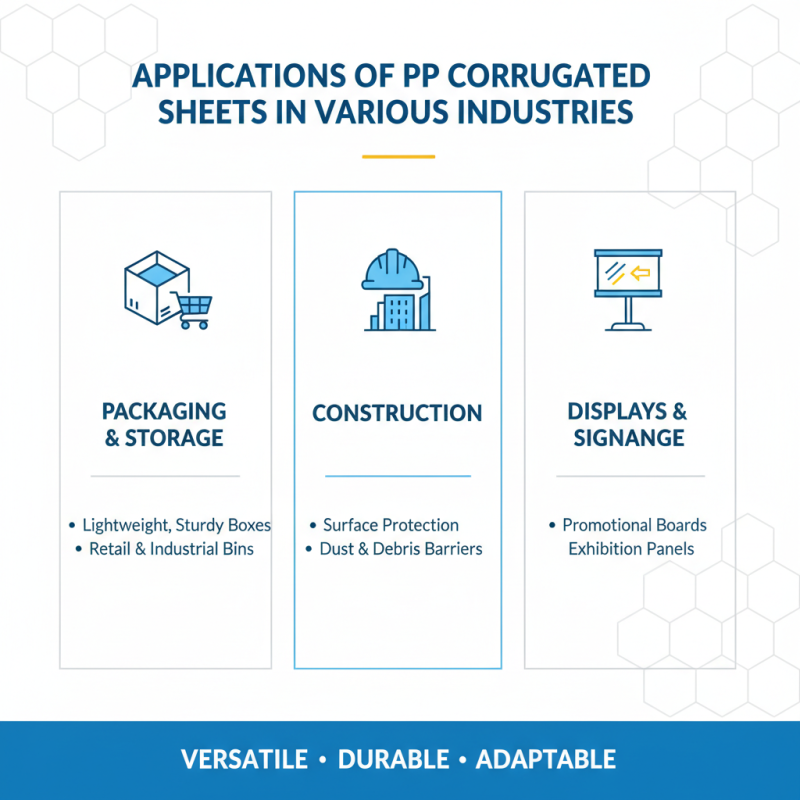
PP corrugated sheets are versatile materials widely used across various industries. Their lightweight yet sturdy nature makes them suitable for packaging, storage, and display solutions. In the construction sector, these sheets serve as protective covers and barriers during transit. They safeguard materials from dust and damage, ensuring integrity until the final destination.
In the agricultural field, PP corrugated sheets are utilized for creating durable bins and containers. They offer excellent moisture and chemical resistance, essential for preserving produce. Additionally, their reusable nature appeals to eco-conscious businesses seeking sustainable options.
Tips: Always choose sheets with the right thickness for your specific needs. Thicker sheets provide better durability for heavy items. Keep in mind that color and customization can enhance visibility for branding purposes. Also, ensure proper ventilation in storage areas to prevent any possible degradation over time. These small details can significantly impact your packaging efficiency.