China Best Plastic Corrugated Pads for Global Buyers?
In today's competitive packaging market, Plastic Corrugated Pads have emerged as essential solutions for various industries. According to a recent study by Smithers Pira, the global demand for corrugated packaging is projected to reach $300 billion by 2025. This growth signifies the increasing importance of durable and sustainable packaging options.
China stands out as a prominent supplier of Plastic Corrugated Pads, leveraging advanced manufacturing techniques. Reports reveal that Chinese manufacturers dominate about 30% of the global market share. However, companies often overlook the quality aspects while seeking cost-effective solutions. This trend raises concerns regarding the reliability and durability of the products imported from China.
As global buyers navigate this complex landscape, understanding the specifications and applications of Plastic Corrugated Pads is crucial. High-quality pads enhance product protection while reducing overall waste. Buyers must also consider the certifications and compliance standards of suppliers. While China offers competitive pricing, seeking thorough evaluations can lead to more informed purchasing decisions.
China's Leading Manufacturers of Plastic Corrugated Pads
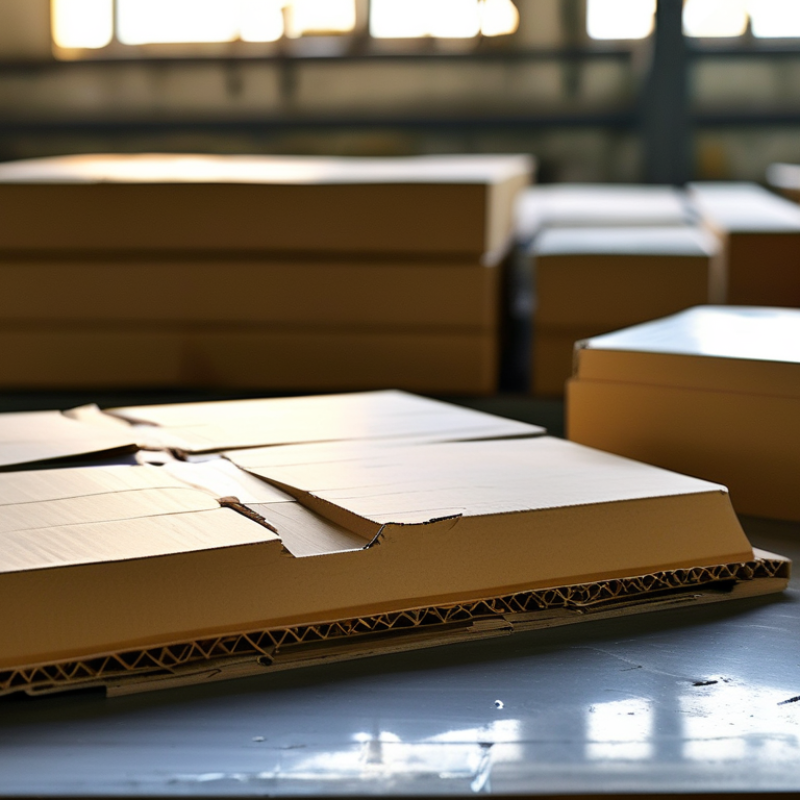
China has emerged as a leader in the production of plastic corrugated pads. These pads are essential in various industries, from packaging to construction. Given their lightweight nature, they serve as a ideal substitute for traditional materials. Many global buyers seek reliability and versatility in their suppliers.
Chinese manufacturers have optimized their production processes. They focus on quality control and innovative designs. However, challenges remain, such as fluctuating raw material costs. Buyers must assess suppliers carefully. Faulty products can lead to significant losses. Communication barriers may also arise, complicating international relations.
Ultimately, understanding the landscape of Chinese manufacturers is crucial. This industry is evolving quickly, with new technologies appearing regularly. Buyers should stay informed about trends and environmental standards. It's a dynamic market that offers both opportunities and risks. Exploring this landscape opens doors but requires diligence.
Key Features of Plastic Corrugated Pads from China
Plastic corrugated pads are gaining traction globally, especially from China. These pads are lightweight yet robust, making them a popular choice in various industries. According to market reports, the global plastic packaging market was valued at approximately $600 billion in 2023, with corrugated solutions accounting for a significant share. Their resistance to moisture and chemicals enhances their utility, particularly in shipping and storage.
The production of plastic corrugated pads focuses on specific features. They are customizable in size and thickness, catering to diverse customer needs. Many manufacturers utilize recycled materials, addressing environmental concerns. However, there are ongoing challenges regarding quality control and consistency in production. A report by Statista revealed that around 15% of manufacturers struggle with product defects, impacting overall reliability.
Furthermore, these pads offer excellent cushioning properties. They protect products during transit, reducing damage rates. Yet, many buyers report dissatisfaction with the inconsistency in supplier performance. Collaborative efforts between manufacturers and customers are essential for continuous improvement. This partnership can lead to higher quality standards and better service reliability in the global market.
Applications of Plastic Corrugated Pads in Various Industries
Plastic corrugated pads are widely used across different industries. Their versatility makes them suitable for many applications. In packaging, these pads provide exceptional cushioning. They help to protect fragile items during transport. Their lightweight nature reduces shipping costs, making them a favorite among manufacturers.
In the construction industry, plastic corrugated pads serve as excellent ground protection. They can support heavy equipment, preventing soil compaction. This use is crucial for preserving the integrity of the site. Additionally, these pads offer moisture resistance, which is vital in many applications.
In the food industry, hygiene is a top priority. Plastic corrugated pads are easy to clean, making them a preferred choice for food packaging and storage.
Despite their benefits, not all plastic corrugated pads are created equal. Some may lack durability or fail under extreme conditions. Users need to assess quality carefully. Overall, understanding the specific needs of each application is essential. It can prevent costly mistakes and enhance operational efficiency. Knowledge about proper usage ensures maximum benefits are realized.
Quality Standards and Certifications for Chinese Corrugated Pads
The demand for plastic corrugated pads has surged globally due to their durability and lightweight properties. In the Chinese market, manufacturers are increasingly focused on quality standards and certifications. Various industry reports highlight that over 70% of buyers prioritize compliance with international standards when sourcing materials.
Quality certifications significantly impact the perception of corrugated pads among global buyers. Many manufacturers have acquired certifications like ISO 9001, which indicates a commitment to quality management systems. A recent study found that companies with such certifications experience 30% higher customer satisfaction rates. This trend underscores the importance of reliable product quality.
Tip: Always verify the certifications of manufacturers before purchasing. This can save time and resources.
Nonetheless, not all manufacturers maintain consistent quality. Some can prioritize cost over compliance. In recent reports, inspection agencies noted that a small percentage of corrugated pads failed to meet the standards expected by international buyers. It highlights the need for thorough vetting processes when looking for suppliers.
Tip: Conduct regular audits of manufacturers to ensure ongoing compliance with standards. This helps maintain quality assurance.
China Best Plastic Corrugated Pads for Global Buyers - Quality Standards and Certifications
The Global Market Demand for Chinese Plastic Corrugated Pads
The global demand for Chinese plastic corrugated pads has surged in recent years. These pads are lightweight yet strong, making them ideal for packaging and transport. Many companies view them as a sustainable option. They are recyclable and can reduce waste. This appeals to environmentally conscious buyers.
Various industries are turning to these pads for their practical benefits. The construction sector relies on them for protection during shipping. In agriculture, they serve as containers for fruits and vegetables. Even the automotive industry uses them for parts storage. This widespread application highlights their versatility.
However, challenges exist. Quality control can vary among manufacturers. Not all products meet the same standards. Buyers must research and verify suppliers. Understanding these nuances can save businesses from costly mistakes. The landscape is competitive, and informed decisions lead to better outcomes.