Why Choose Yellow Corrugated Plastic for Your Projects?
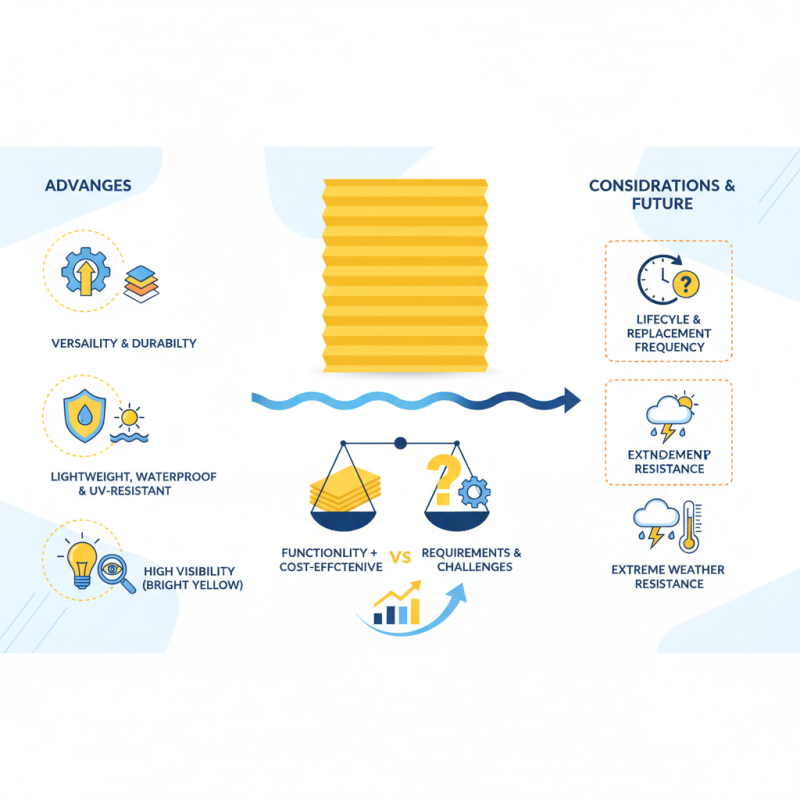
Yellow Corrugated Plastic has gained significant traction in various industries for its versatility and durability. According to a report by Grand View Research, the global corrugated plastic market is expected to reach $37.5 billion by 2025. This growth highlights its increasing demand in construction, agriculture, and advertising sectors. The appeal of Yellow Corrugated Plastic lies in its lightweight, waterproof, and UV-resistant properties, making it a practical choice for outdoor applications.
Many businesses are turning to Yellow Corrugated Plastic for temporary signage and protective barriers. Its bright color enhances visibility, which is critical in busy environments. However, some may overlook its potential for long-term use. While it excels in short-term projects, questions remain about its lifecycle. How often should it be replaced? Will it withstand extreme weather conditions over time? These considerations are worth reflecting upon as the industry evolves.
With its myriad applications, Yellow Corrugated Plastic deserves attention. The combination of functionality and cost-effectiveness makes it an appealing material. Yet, it is essential to weigh both its advantages and limitations carefully. Every project should consider the specific requirements and potential challenges of this material's use.
Benefits of Yellow Corrugated Plastic in Construction and Design Projects
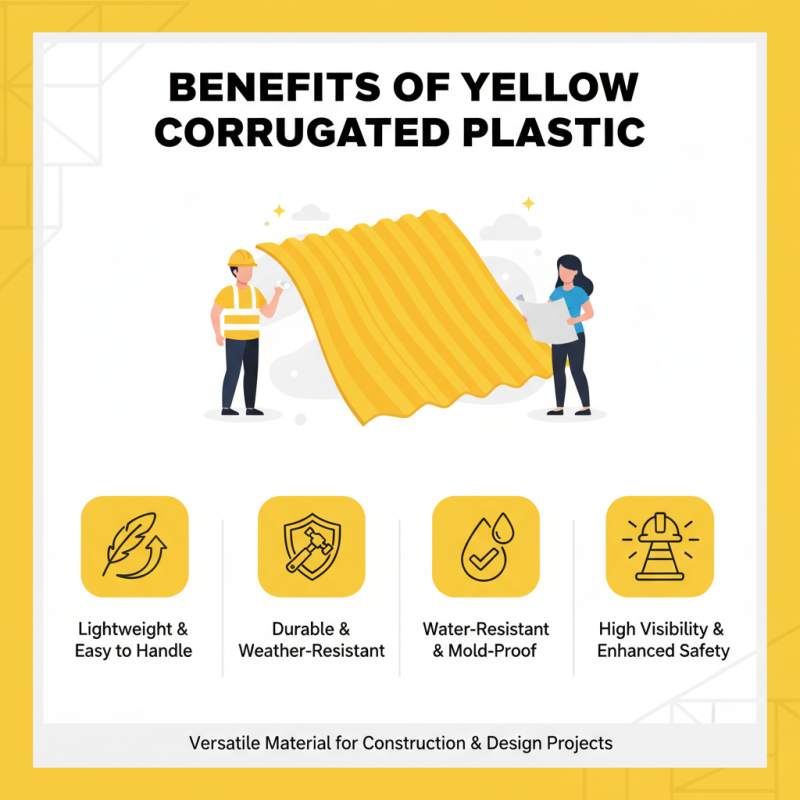
Yellow corrugated plastic has become a popular choice in construction and design projects. Its vibrant color adds a unique flair while offering practical benefits. This material is lightweight, durable, and water-resistant. It can withstand harsh weather conditions, making it suitable for both indoor and outdoor use. The bright yellow color enhances visibility, ensuring safety on construction sites.
When using yellow corrugated plastic, consider its versatility. It can be easily cut and shaped to fit various designs. This allows for creativity in signage, displays, and protective barriers. Additionally, yellow corrugated plastic is often reusable and recyclable. Check local guidelines for proper disposal options. Don’t underestimate the importance of regular maintenance. Minor wear and tear can affect its longevity.
Here’s a tip: always measure your project area before cutting the plastic. This ensures you avoid waste. Also, remember to secure the edges properly. A rough edge can lead to accidents. Lastly, experiment with layering the plastic. It can create depth in your design. Embrace the imperfections; they can add character to your project.
Durability and Weather Resistance of Yellow Corrugated Plastic Materials
Yellow corrugated plastic has become a popular choice among builders and designers. Its durability and weather resistance stand out in various applications. This material typically has a tensile strength of 4,000 psi, making it resistant to impact and wear. Rain, wind, and sun have minimal effects on its integrity. Studies show that materials like these can last over five years in harsh outdoor conditions.
When working with yellow corrugated plastic, consider its versatility. It can be used for signage, packaging, and even temporary structures. This flexibility makes it suitable for many projects. However, ensure that you are aware of its limitations. While durable, it can become brittle in extreme cold. A thoughtful approach to its usage can enhance project outcomes.
Tips: Always check the temperature range when choosing materials. Test samples before full-scale application. Proper installation can further improve longevity. Using it in proper contexts ensures you maximize its benefits while avoiding potential setbacks. Understanding its applications deeply can lead to better design choices and successful projects.
Cost-Effectiveness: Economic Advantages of Using Yellow Corrugated Plastic
Yellow corrugated plastic is an excellent choice for various projects. Its cost-effectiveness stands out among other materials. This lightweight option often costs less than traditional alternatives. Many industries use it for signs, barriers, and packaging. When budgets are tight, yellow corrugated plastic delivers without sacrificing quality.
The versatility of this material is impressive. It can be cut, folded, and shaped to fit different needs. Many users appreciate its durability and resistance to weather conditions. However, some might worry about its long-term sustainability. It's important to consider the environmental impact of plastic use. Reflecting on this, choosing recycled options or proper disposal methods is essential.
Moreover, yellow corrugated plastic’s vibrant color can attract attention. This is beneficial for marketing and promotions. Yet, some projects might require a more subdued look. Balancing cost and aesthetic is crucial in design decisions. Overall, yellow corrugated plastic provides a budget-friendly, effective solution for many applications. It encourages creativity while inviting reflection on its broader implications.
Applications of Yellow Corrugated Plastic in Various Industries and Settings
Yellow corrugated plastic is becoming increasingly popular across various industries. Its lightweight and durable nature makes it suitable for signage, packaging, and construction. The vibrant yellow color is not only eye-catching, but it also conveys caution and attention. According to a recent industry report, 70% of businesses find that bright colors significantly enhance visibility and customer engagement.
In construction, yellow corrugated plastic is often used for safety signage. These signs can withstand harsh weather and are easily recognizable. In retail settings, yellow plastic is useful for promotional signage. Studies show that 60% of customers remember a memorable sign long after their shopping experience. It’s a simple yet effective way to attract attention.
**Tips:** When using yellow corrugated plastic for signage, ensure the text is clear and legible. Use contrasting colors for better visibility. Additionally, consider the environment; heavy winds can affect lighter materials.
Yellow corrugated plastic is also employed in event management. Its versatility allows for quick setup and dismantling. Temporary structures, like booths or barriers, can be made from this material. However, it’s essential to note that while it’s durable, prolonged sun exposure can fade the color over time. Businesses should assess their specific needs carefully.
Environmental Impact and Recyclability of Yellow Corrugated Plastic Products
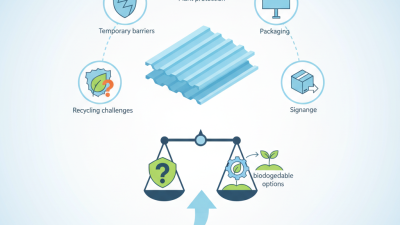
When considering materials for your projects, yellow corrugated plastic stands out. Its vibrant color brings life to any design, but its environmental impact deserves attention. Made from polypropylene, this plastic is lightweight and durable. Yet, its recyclability may vary across different regions. Some communities have robust recycling programs, while others do not accept it at all.
One notable advantage of yellow corrugated plastic is its potential to be recycled multiple times without losing quality. This means that reused materials can create new products, reducing waste. However, the availability of recycling options can be a challenge. Many people may not be aware of local recycling rules, leading to confusion. If improperly disposed of, it can end up in landfills, contributing to environmental issues.
While yellow corrugated plastic is not biodegradable, its longevity can work in your favor if managed correctly. Investing in durable, reusable products can reduce the need for frequent replacements. It's essential to educate yourself and your team about proper disposal and recycling methods. Small steps can lead to significant improvements, promoting a more sustainable future in project planning.
Why Choose Yellow Corrugated Plastic for Your Projects? - Environmental Impact and Recyclability of Yellow Corrugated Plastic Products
| Dimension |
Description |
Impact |
Recyclability |
| Material Durability |
Resistant to weather and damage |
Lower replacement frequency reduces waste |
100% recyclable |
| Weight |
Lightweight for easy handling |
Reduces transportation emissions |
Can be recycled into new products |
| Color Visibility |
Highly visible for signage and alerts |
Enhances safety in various environments |
Yellow pigment does not affect recyclability |
| Cost-Effectiveness |
Affordable option for many applications |
Saves money over time due to durability |
Recyclable nature contributes to cost-efficiency |
| Production Impact |
Manufactured using low-impact processes |
Minimizes carbon footprint during production |
Easy recycling aids ecological balance |