Why Choose Corrugated Plastic Rolls for Your Packaging Needs?
In the ever-evolving world of packaging, selecting the right materials is crucial. Corrugated Plastic Rolls have gained significant attention for their versatility and durability. A recent industry report indicates that the global demand for plastic packaging is expected to reach $500 billion by 2027. This growth reflects a broader shift towards lightweight, robust materials that can reduce shipping costs and environmental impact.
Corrugated Plastic Rolls stand out among packaging solutions. They are weather-resistant, reusable, and customizable. According to a survey by Packaged Facts, 63% of businesses reported reducing material waste with innovative plastic packaging. Additionally, the recyclability of these rolls aligns with increasing consumer demand for sustainable options.
However, businesses must reflect on the balance between cost and sustainability. While Corrugated Plastic Rolls may present a higher upfront cost compared to traditional materials, their long-term savings in durability and efficiency are noteworthy. As companies strive for improved packaging solutions, the adoption of detailed performance metrics and life-cycle assessments will be essential. Understanding the value of these materials can empower businesses to make informed packaging choices for future success.
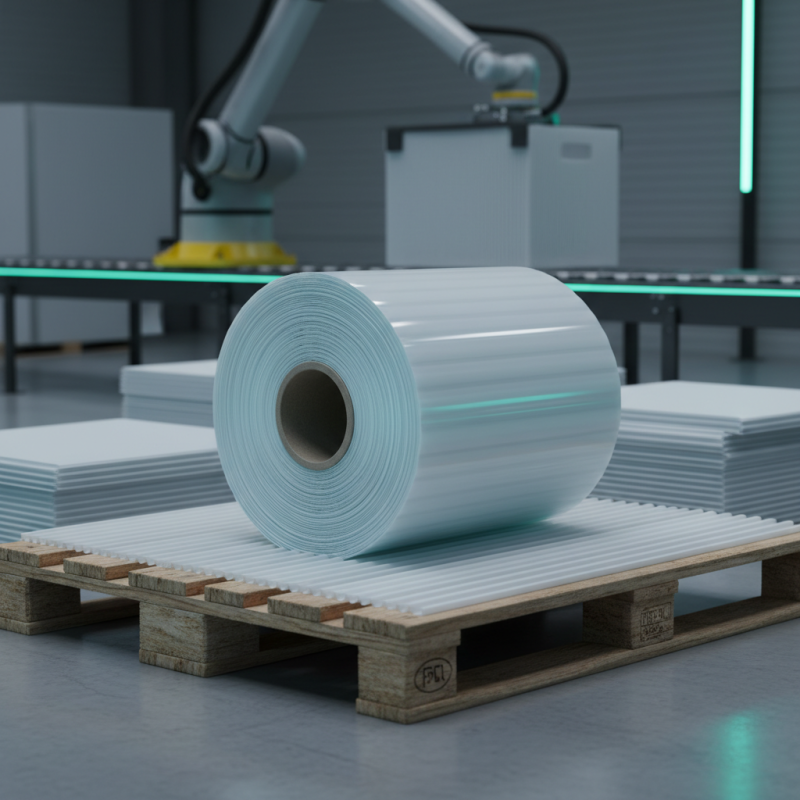
Benefits of Corrugated Plastic Rolls in Packaging Solutions
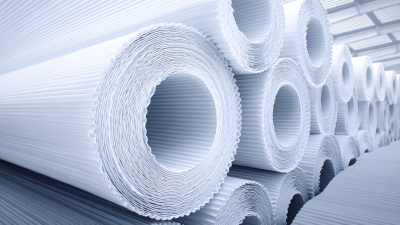
Corrugated plastic rolls are gaining popularity in various packaging environments. Their versatility makes them suitable for numerous applications. Lightweight yet durable, these rolls offer excellent protection for products during transit. This can be particularly crucial for fragile items that require extra care.
One notable benefit is their resistance to moisture and chemicals. This quality ensures that the packaged items remain safe, regardless of environmental conditions. Additionally, corrugated plastic is easy to clean, which is important for businesses that prioritize hygiene. However, the recycling process for this material can be complex, leaving room for improvement in sustainability efforts.
Cost-effectiveness is another advantage. These rolls can often be reused, reducing overall packaging costs. Nonetheless, businesses should evaluate whether long-term usage aligns with their financial goals. Factors such as storage and transportation must also be considered. Packaging efficiency varies across industries, making it essential to assess individual needs carefully.
Why Choose Corrugated Plastic Rolls for Your Packaging Needs? - Benefits of Corrugated Plastic Rolls in Packaging Solutions
| Feature |
Description |
Benefits |
| Durability |
Resistant to water, chemicals, and impact |
Increases protection of packaged items |
| Lightweight |
Much lighter than traditional cardboard |
Reduces shipping costs and labor |
| Reusability |
Can be used multiple times without damage |
Eco-friendly and cost-effective |
| Customizable |
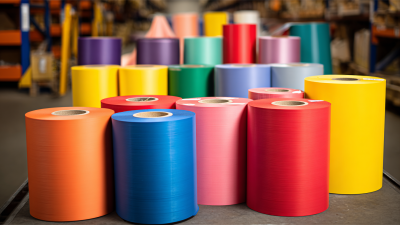
Available in various colors and sizes |
Enhances branding and presentation |
| Weather Resistance |
Withstands extreme temperatures and moisture |
Ideal for outdoor storage and shipping |
Comparison of Corrugated Plastic Rolls vs. Traditional Packaging Materials
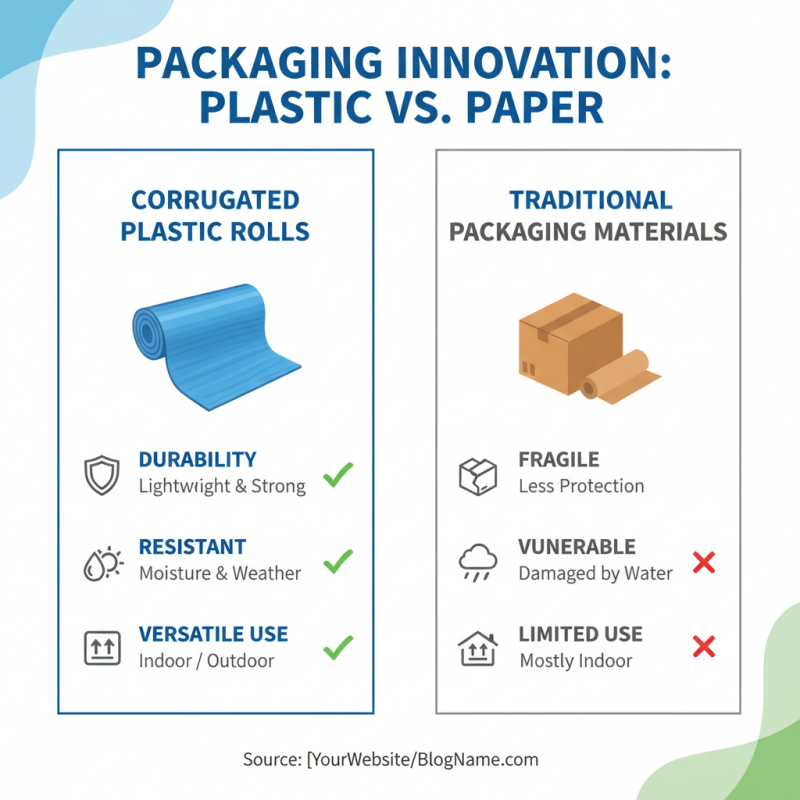
When considering packaging, corrugated plastic rolls offer several advantages over traditional materials like cardboard or paper. Corrugated plastic is lightweight yet durable, providing substantial protection to your products. Unlike cardboard, it is resistant to moisture and can endure harsh weather without deteriorating. This makes it ideal for both indoor and outdoor use.
Traditional packaging often struggles with durability. It can be easily damaged during shipping and storage. Water and humidity can weaken it, requiring additional packaging to ensure the product's safety. Corrugated plastic rolls, however, eliminate these concerns, offering robust protection. They can be reused multiple times, reducing waste and lowering overall packaging costs.
Tips: When selecting packaging materials, consider the specific needs of your products. Is moisture a concern? Choose corrugated plastic. Also, evaluate the expected handling conditions. Durable materials, like corrugated plastic, can save you money in the long run. Always test new materials with your products to ensure compatibility and effectiveness. Reflect on your packaging strategy periodically, as new materials and methods emerge continually.
Applications of Corrugated Plastic Rolls Across Various Industries
Corrugated plastic rolls are versatile and valuable in various industries. They provide durability and protection for products during shipping and storage. Their lightweight nature makes them easy to handle, reducing shipping costs. Industries such as agriculture use these rolls for signage and protective covers. In construction, they serve as excellent barrier materials and protects equipment.
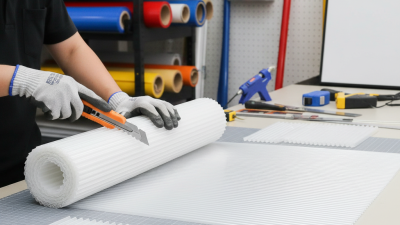
Tips for using corrugated plastic rolls include proper cutting to fit specific needs. Always use a sharp blade for clean edges. When using these rolls for storage, keep them in a dry place to prevent warping. Additionally, consider using markers on these rolls to label contents easily. This small detail can significantly enhance organization.
In retail, corrugated plastic rolls can create eye-catching displays. They resist moisture and can withstand varying temperatures. However, some users find that these rolls may not be suitable for heavy, sharp items. Testing is essential to ensure they meet the required durability for your products. Adjusting expectations based on the specific application can lead to better results.
Applications of Corrugated Plastic Rolls Across Various Industries
Environmental Considerations: Sustainability of Corrugated Plastic Rolls
Corrugated plastic rolls offer a promising solution for sustainable packaging. Made from recycled materials, they reduce the demand for virgin plastic. According to the Environmental Protection Agency, about 35% of plastic waste is recycled. This statistic highlights the importance of utilizing materials that support a circular economy. Using corrugated plastic not only repurposes existing resources but also minimizes the overall carbon footprint.
Moreover, these materials are lightweight and durable. This durability means fewer replacements over time, leading to less waste. However, implementation can be inconsistent across industries. Some companies still favor traditional materials despite the benefits of modern alternatives. A recent report by the Sustainable Packaging Coalition indicated that 60% of companies aim for sustainable materials but often struggle with sourcing and cost. This gap suggests a need for industry-wide education on the advantages of corrugated plastic.
While the advantages are clear, challenges remain. Not every facility is equipped to handle this type of packaging efficiently. Recycling facilities vary in capability, which can deter companies from transitioning. Additionally, corrugated plastic is sometimes viewed as less biodegradable than paper alternatives. This perception can influence decision-making, despite its recyclability. Understanding these nuances is crucial as businesses seek truly sustainable solutions.
Cost-Effectiveness of Using Corrugated Plastic Rolls for Packaging Needs
Corrugated plastic rolls have gained popularity in various packaging applications. Their cost-effectiveness is one of the main reasons for this trend. These rolls are lightweight yet durable. This combination helps reduce shipping costs significantly. Businesses can cut expenses while maintaining high-quality packaging.
Moreover, corrugated plastic rolls offer versatility. They can be easily customized to fit different sizes and shapes. This flexibility means fewer wasted materials. Companies appreciate how these rolls can adapt to their needs. However, it's crucial to balance cost and quality. Not all suppliers provide the same level of service or material.
Investing in corrugated plastics also requires reflection on long-term sustainability. While initially cheaper, sometimes the quality may falter over time. Choosing a reliable supplier is therefore essential. Optimal performance relies on both cost and functionality. Balancing these factors can lead to better packaging solutions.