500-1
500-2
500-3

Industry News

Look forward to sincere cooperation with every customer!

How to Choose the Best PP Corrugated Board from China?

Choosing the right Pp Corrugated Board from China involves more than comparing factory prices. Board color can look identical while strength, flute structure, and moisture resistance differ significantly. A reliable decision begins with the intended application, such as retail displays, export cartons, warehouse dividers, or reusable packaging.

Experienced buyers usually check thickness, weight, flute profile, sheet dimensions, and edge crush performance. They also request samples before approving mass production. A sample should survive folding, stacking, cutting, and basic humidity exposure. Small details matter. A weak edge can damage an entire shipment.

Supplier evaluation requires evidence, not attractive promises. Review production equipment, quality-control procedures, material sources, and previous export experience. Ask whether recycled content is consistent across batches. Confirm tolerances in writing. Test reports should identify methods, dates, and sample conditions. Certifications may support credibility, but they do not replace practical inspection.

Shipping conditions deserve attention too. Moisture-proof wrapping, pallet stability, and container loading can affect board quality after production. Buyers should also verify packaging marks, delivery terms, payment conditions, and communication procedures. Clear specifications prevent expensive misunderstandings.

No checklist is perfect. I have seen projects fail because a buyer focused only on price. A slightly cheaper board may require thicker sheets, extra replacement stock, or stronger outer packaging. That is not real savings. A careful comparison balances performance, consistency, supplier transparency, and total delivered cost. With realistic testing and documented requirements, importing Pp Corrugated Board from China becomes more predictable, even when the first sample needs improvement.
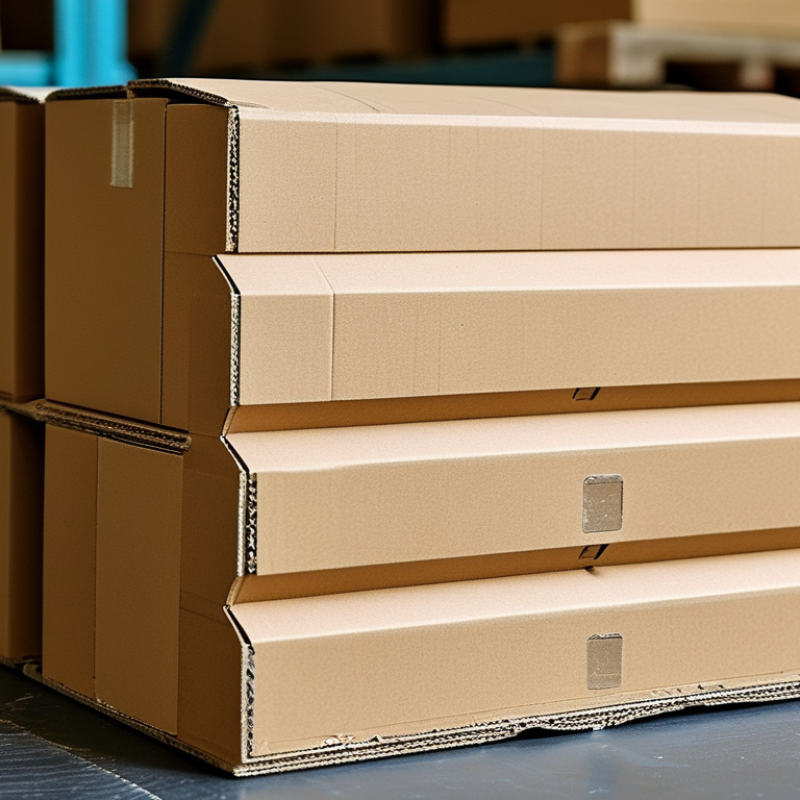
How to Choose the Best PP Corrugated Board from China?

Define PP Corrugated Board by Flute, Thickness, and 250–2,500 g/m² Weight

How to Choose the Best PP Corrugated Board from China?

PP corrugated board should be defined by flute, thickness, and grammage. Flute describes the internal rib structure. A narrow flute gives a smoother surface and better printing stability. A wider flute can improve cushioning and bending resistance. However, flute height alone does not guarantee strength. Ask for a cross-section sample before approving production.

Thickness often ranges from about 2 to 12 millimeters, depending on the structure. Thin sheets suit dividers, signs, and lightweight packaging. Thicker sheets handle repeated movement and heavier contents more effectively. Grammage, measured from 250 to 2,500 g/m², shows material weight per square meter. It does not directly equal load capacity. Resin quality, rib design, welding, and surface treatment also matter. Test the actual application.

Do not rely only on a supplier’s catalog. Request samples with recorded thickness, grammage, flute type, and dimensional tolerance. Check compression, edge strength, impact resistance, and moisture behavior. A simple test is useful: place the board under the expected load for 24 hours. Watch for permanent bending. A clean sample can still hide inconsistent production. This is where sourcing experience matters. Compare several batches, not just one attractive sheet. Confirm inspection records and packaging conditions before shipment from China. Small details are easy to miss.

How to Choose the Best PP Corrugated Board from China?

Define PP corrugated board by flute profile, thickness, and basis weight.

How to read the chart: Flute profile and thickness influence stiffness, impact resistance, and folding performance. Basis weight indicates the approximate material mass per square metre and normally increases as the board becomes thicker and stronger.

Typical specification bands: PP corrugated boards commonly range from approximately 250 to 2,500 g/m². Actual values vary with resin density, flute geometry, sheet width, additives, and manufacturing tolerance.

Match Sheet Structure to Load Capacity, Moisture Resistance, and Reuse Cycles

Choosing PP Corrugated Board from China: Match Sheet Structure to Load Capacity, Moisture Resistance, and Reuse Cycles

A sheet’s structure should match the real load, not the catalog headline. For heavy cartons, choose thicker walls, taller flutes, or a multi-wall design. The flute direction also matters. Aligning ribs vertically can improve stacking strength. Test the board with your actual box dimensions, because unsupported spans reduce performance quickly. A sample that survives a short test may still buckle during warehouse storage.

Moisture resistance is a major advantage of PP corrugated board. However, water can still enter through cut edges, joints, and damaged surfaces. Ask for sealed edges when washdown or outdoor handling is expected. Check thickness tolerance, surface flatness, and bonding consistency across several production batches. Small variations can affect folding and automated packing. Request test data, but verify it with your own compression and humidity trials.

Reuse cycles require more than strong material. Choose a grade that resists cracking around creases, handles repeated cleaning, and keeps its shape after stacking. Rounded corners may reduce impact damage. Inspect hinge lines after repeated folding. This is where many specifications feel incomplete. A board can look durable while its creases weaken early. During sourcing, confirm recycled-content details, allowable temperature ranges, and replacement-part options. Clear inspection records make quality claims easier to trust.

Verify China Supplier Quality with ISO 9001, ASTM D638, and ISO 527 Tests

How to Choose the Best PP Corrugated Board from China?

When sourcing PP corrugated board from China, supplier quality needs more than attractive samples. ISO 9001 shows that the factory uses a documented quality management system. It does not prove every board meets your requirements. Request the certificate, issuing body, validity date, and production-site details. Then compare them with the supplier’s actual factory address.

ASTM D638 and ISO 527 provide useful tensile strength data for PP materials. Ask for complete test reports, including specimen type, thickness, testing speed, temperature, and failure results. A reliable supplier should connect each report to a production batch. Check whether the tested resin matches your requested grade. Small differences can affect stiffness, folding performance, and load resistance. One weakness remains: paper reports may describe an ideal batch, not today’s shipment. Inspect samples from several lots, not only one clean showroom sheet.

Tips: Measure thickness at multiple points. Bend a board around a fixed edge. Check surface cracks, warping, and uneven flutes. Record carton weight and sheet dimensions. Ask for retention samples and a corrective-action process. If a supplier avoids raw data, pause the purchase. Clear evidence is more valuable than confident promises. You may still find variation, so define acceptable limits before ordering.

Compare PP Grades, Printing Options, Fire Ratings, and 2–12 mm Thicknesses

Choosing PP corrugated board from China requires more than comparing price per sheet. Polypropylene grades affect stiffness, impact resistance, and heat performance. PlasticsEurope’s Plastics—The Facts 2023 reported that PP represented about 19.3% of European plastics demand in 2022, showing its broad industrial use. For warehouse dividers, standard copolymer PP is often practical. For cold storage or repeated handling, impact-modified grades deserve testing. Ask for density, melt flow rate, and full test reports.

Thickness changes handling dramatically. A 2 mm sheet is light and easy to fold, while 5 mm offers better protection for reusable bins. Boards from 8 to 12 mm suit partitions, pallets, and heavier applications, but they increase freight and storage costs. I have seen buyers over-specify thickness and lose usable capacity. That mistake is expensive. Request samples with identical flute geometry before approval.

Printing also needs a realistic check. Screen printing suits small runs; flexographic or digital printing can fit larger volumes, depending on artwork and ink adhesion. Surface treatment may be necessary. Fire performance must be verified on the final construction, not assumed from “flame-retardant PP.” ASTM E84, UL 94, or EN 13501-1 results can differ because test methods measure different behaviors. Smithers’ 2024 packaging analysis highlights stronger demand for recyclable, lightweight formats, yet recyclability claims still depend on additives, inks, and local collection systems. A supplier’s certificate is useful, but independent verification is safer.

Audit Pricing Through MOQ, Tolerances, Samples, Certifications, and Incoterms

How to Choose the Best PP Corrugated Board from China?

Price is only the opening figure. Plastics Europe reported 413.8 million tonnes of global plastics production in 2023, making resin cost highly exposed to energy and oil changes. Ask suppliers to separate board price, tooling, printing, packing, and inland delivery. A low MOQ may hide higher conversion costs, while a large MOQ can trap cash in slow-moving stock. Compare three quantities: trial order, monthly capacity, and the price break. Get every assumption in writing.

Small details matter. Define thickness tolerance, sheet weight, flatness, color deviation, and cut-size tolerance before sampling. A practical audit uses samples from different production lots, not one perfect sheet. Test folding, puncture resistance, moisture exposure, and print adhesion. Allow time for corrections. My early mistake was approving a sample before checking pallet compression; it looked excellent and still warped in transit. Certifications need similar caution. The ISO Survey 2023 recorded more than 1.26 million ISO 9001 certificates worldwide, but certification alone does not prove consistent PP board quality. Request the certificate scope, test methods, and recent batch records.

Incoterms can change the real cost. Under ICC Incoterms 2020, clarify who pays freight, insurance, customs handling, and risk at each transport stage. Compare FOB, CIF, and DDP only after confirming destination charges. A supplier may quote confidently. The invoice may not. Keep a landed-cost worksheet, record rejected samples, and require written approval for material substitutions. Some audits reveal uncomfortable gaps. That is useful evidence.

How to Choose the Best PP Corrugated Board from China? — Audit Pricing Through MOQ, Tolerances, Samples, Certifications, and Incoterms
Audit Dimension Entry-Level Option Standard Export Option High-Specification Option Buyer Audit Check
Typical application Temporary packaging, dividers, light-duty signs, short-cycle returnable packaging Reusable boxes, layer pads, agricultural packaging, retail displays Automotive parts, pharmaceutical secondary packaging, precision die-cut components Match board grade to load, moisture exposure, print quality, and expected reuse cycles.
Indicative board price US$0.85–1.35/kg US$1.20–2.10/kg US$1.90–3.50/kg Use the same basis for comparison: resin grade, additives, color, thickness, sheet size, packaging, and delivery term.
Common sheet thickness 2.0–3.0 mm 3.0–5.0 mm 5.0–10.0 mm Request measured thickness at several points, not only the nominal specification.
Common sheet weight 250–500 g/m² 450–900 g/m² 800–1,500 g/m² Confirm whether the quoted weight includes coatings, printing ink, and edge treatment.
Minimum order quantity (MOQ) 500–1,000 kg or one standard production run 1,000–3,000 kg per color or specification 3,000–10,000 kg per custom specification Check whether MOQ applies per order, per thickness, per color, or per sheet size. Custom tooling may have a separate minimum.
Production lead time 7–15 working days after artwork and payment confirmation 10–20 working days after approval of specifications 15–30 working days, including tooling, testing, and pre-production approval Separate production time from booking, port handling, and transit time.
Thickness tolerance Typically ±0.20–0.30 mm Typically ±0.15–0.25 mm Typically ±0.10–0.20 mm, subject to agreed test method Put the tolerance and measurement locations in the purchase specification; verify with a calibrated thickness gauge.
Basis-weight tolerance Typically ±8–10% Typically ±5–8% Typically ±3–5% Ask for actual production data from multiple lots instead of relying only on a certificate of analysis.
Sheet length and width tolerance Approximately ±2–3 mm Approximately ±1–2 mm Approximately ±0.5–1.0 mm for controlled converting Confirm whether tolerances are measured before or after printing, cutting, creasing, and conditioning.
Flatness and warpage Visible bow or curl may occur after storage in humid conditions Controlled flatness suitable for standard die-cutting and box conversion Tighter flatness control with conditioning and stacking requirements Define the maximum gap or deviation over a stated reference length and test environment.
Sample policy Free small samples; buyer usually pays courier charges Free standard samples; custom samples may require a refundable fee Paid engineering sample or pilot batch, normally credited against a confirmed order Request samples from the same resin grade, thickness, color, and production process as the intended order.
Sample approval timing 2–5 working days for stock samples 5–10 working days for printed or converted samples 10–20 working days for tooling, laboratory testing, or pilot production Obtain a signed approval sample or retained reference sample before mass production.
Material composition PP copolymer or homopolymer; recycled content may vary Virgin PP or controlled blend with declared recycled content Specified virgin/recycled ratio, impact modifier, UV stabilizer, antistatic or flame-retardant package Require a written material declaration and verify recycled-content claims when they affect compliance or performance.
Typical certifications and documents Basic product specification, packing list, commercial invoice ISO 9001 may be available; REACH or RoHS declarations may be supplied where applicable ISO 9001, ISO 14001, food-contact documentation where relevant, test reports, traceability records, and compliance declarations Check certificate scope, validity, issuing body, tested product, and whether the document covers the exact formulation.
Food-contact suitability Do not assume suitability without a destination-market declaration May be available for specified grades and controlled production lines Usually supported by migration testing and a formal declaration of compliance for the intended use Food-contact requirements vary by destination and application; confirm applicable regulations before purchase.
Printing capability 1–2 color flexographic printing; basic registration control 2–4 color flexographic printing; standard registration control Multi-color printing, tighter registration, surface treatment, or higher-resolution process options Approve a color target, print repeat length, ink type, coverage limits, and acceptable registration deviation.
Packaging for export Stacked sheets with stretch film and basic edge protection Palletized or strapped bundles with moisture-resistant wrapping Engineered pallet pattern, corner protection, desiccant or moisture barrier, and shipment identification Confirm bundle dimensions, gross weight, pallet material, container utilization, and protection against humidity.
Common payment structure 30% deposit and 70% before shipment 30% deposit and 70% after inspection or before shipment Negotiated milestone payment; inspection or documentary release may be included Link the final payment to agreed inspection results, approved samples, and required shipping documents.
EXW Lowest quoted unit price Buyer arranges inland pickup, export clearance, and all onward costs Useful for experienced buyers with a China-based logistics arrangement Compare the full landed cost; EXW can hide factory loading, export clearance, and local transport charges.
FOB China port Factory delivers to the named port; buyer handles main carriage and destination costs Common for containerized export orders Often preferred when the buyer controls ocean freight and cargo insurance Specify the exact port and clarify which origin charges are included or excluded.
CFR / CIF Seller arranges ocean freight; CIF also includes basic cargo insurance Convenient for buyers comparing delivered port costs Useful when the seller has competitive freight rates, subject to insurance review Check freight validity, transshipment risk, insurance coverage, destination port charges, and demurrage responsibility.
DDP Delivered to the agreed destination with duties and import formalities included where legally possible Simple purchasing experience but the quote may include a significant risk margin Use only when the seller can legally and transparently manage import obligations Confirm importer of record, tax treatment, customs valuation, delivery appointment, and liability for unexpected charges.
Quality-control recommendation Pre-shipment visual and dimensional inspection Pre-shipment inspection plus weight, thickness, print, and packaging checks Pre-production approval, in-process controls, laboratory testing, and independent pre-shipment inspection Use an agreed inspection plan with sampling level, defect classification, test methods, and rejection limits.
Audit note Prices and operating ranges are indicative benchmarks for PP corrugated board and can change with resin prices, order volume, customization, exchange rates, freight, destination requirements, and Incoterms. Request a dated quotation, a detailed specification sheet, recent test evidence, and a landed-cost calculation before selecting a supplier.