How to Choose the Right Plastic Corrugated Sheet for Your Project?
Choosing the right plastic corrugated sheet for your project can be challenging. These versatile materials offer durability and lightweight properties ideal for various applications. However, understanding the specific needs of your project is crucial.
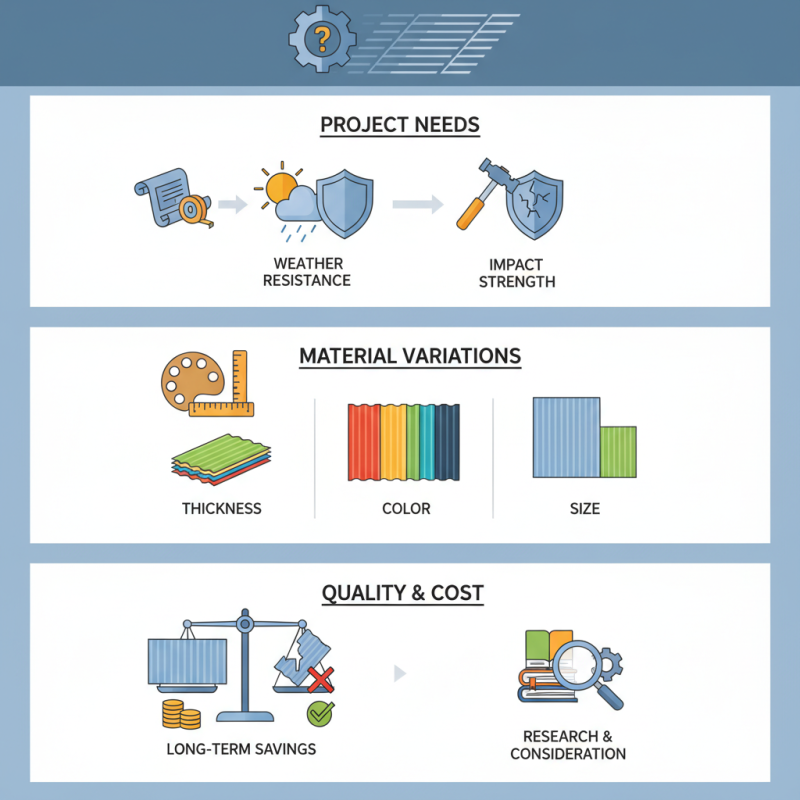
Plastic corrugated sheets vary in thickness, color, and size. Factors like weather resistance and impact strength can significantly affect your choice. Different projects may require different properties, so consider where and how you will use them.
Many users overlook the importance of material quality. Low-quality sheets can lead to failures and increased costs. Reflecting on your project's requirements is essential before making a decision. Adequate research and consideration can save money and time in the long run.
Understanding the Basics of Plastic Corrugated Sheets
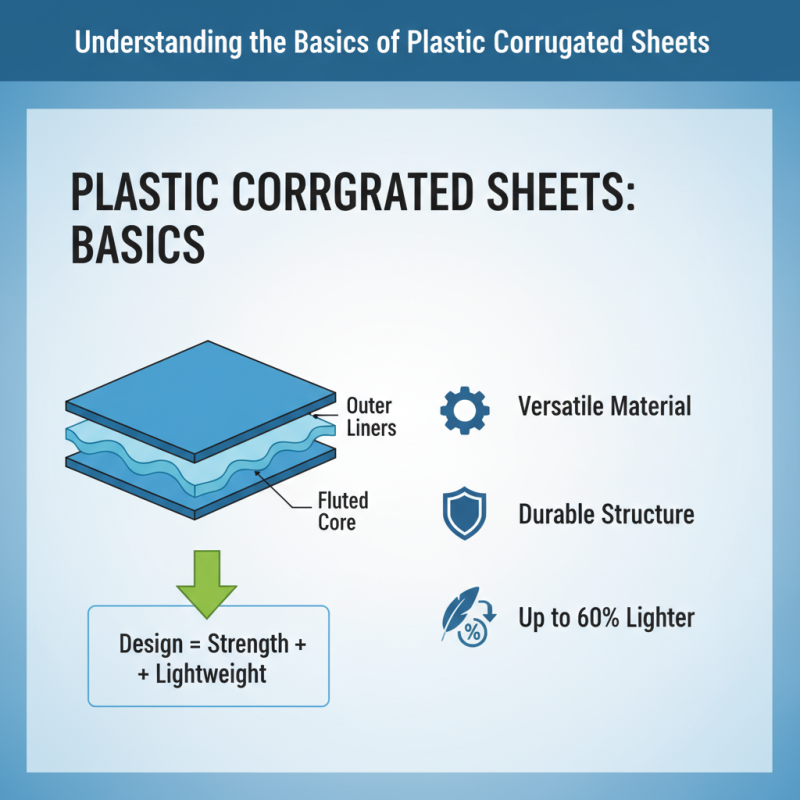
Plastic corrugated sheets are versatile materials commonly used in a variety of applications. Understanding their structure and properties is crucial for making informed choices. These sheets consist of two outer liners and a fluted core. This design provides strength while remaining lightweight. Reports indicate that plastic corrugated sheets can reduce weight by up to 60% compared to traditional materials.
The thickness of these sheets plays a vital role in their performance. Typically, thickness ranges from 2mm to 10mm. Thicker sheets offer better durability and impact resistance. However, they can be heavier and more expensive. It’s essential to match the thickness to the specific requirements of your project. Additionally, color can affect UV resistance. Darker colors may absorb more heat, potentially leading to warping in hot environments.
Despite their advantages, there are limitations to consider. Plastic corrugated sheets can degrade under prolonged exposure to UV light if not treated. This degradation may reduce their lifespan significantly. Conducting thorough evaluations and testing is important to avoid unexpected issues. Making informed choices comes from understanding these essential aspects of plastic corrugated sheets. Exploring these factors can enhance the effectiveness of your project.
Identifying the Key Properties for Your Specific Project Needs
When selecting a plastic corrugated sheet, understanding key properties is essential. Start by considering thickness, which influences strength and durability. Thicker sheets provide better support for heavy loads. They tend to be more expensive but may save costs in the long run due to their longevity.
Next, look at the sheet's weight. Lightweight sheets are easier to handle and install. However, they may lack the rigidity needed for certain applications. Be mindful of the balance between ease of use and structural integrity. Additionally, resistances like UV, moisture, and chemicals are crucial. If your project is outdoors, UV resistance is vital. Moisture resistance protects against decay in humid environments.
Lastly, assess your project's specific requirements. Will the sheet be exposed to impact? If so, choose high-impact materials. Evaluate whether color or transparency matters for aesthetics or functionality. It’s crucial to reflect on these factors carefully. Mistakes in choosing the right type can lead to failures.
Evaluating Different Types and Thicknesses of Corrugated Sheets
When selecting a plastic corrugated sheet, thickness and type matter greatly. Thicker sheets provide added durability. They resist impact and harsh weather better. For outdoor projects, consider a thickness of 4mm or more. This can help ensure longevity and reliability.
Different types of corrugated sheets offer various benefits. Some are designed for lightweight applications, while others excel in structural support. Polypropylene sheets are commonly used for signage and packaging. In contrast, polycarbonate sheets are favored for their transparency and strength. Understanding the specific needs of your project will guide your choice.
Thickness affects flexibility and weight. A thinner sheet may bend easily, making it suitable for lightweight applications. However, it may not withstand heavy loads. Reflect on your project's requirements. Choosing the right type and thickness involves weighing trade-offs. Each decision impacts the overall outcome.
Comparing Cost and Durability Considerations in Selection
When selecting a plastic corrugated sheet, cost and durability are pivotal factors. Data indicates that, on average, corrugated plastic sheets can range from $0.50 to $3.00 per square foot, depending on thickness and manufacturer. Thinner sheets may save money upfront, but they often lack the strength needed for demanding applications. Investing a bit more in thicker options can offer longer-term savings due to reduced replacement costs.
Durability is another critical element. According to industry reports, thicker plastic sheets can handle impacts better than their thinner counterparts. For instance, a 4mm sheet can withstand heavy winds and resist punctures, making it suitable for outdoor signage. On the other hand, a 2mm sheet may suffice for light-duty projects but could fail under stress. Balancing these traits is essential. Choosing the wrong thickness could lead to premature failure and additional expenses in the future.
It's important to assess the specific needs of your project. Some applications require excellent UV resistance, while others prioritize impact resistance. Determining these needs early can save headaches later on. A project reconsideration becomes vital if initial selections do not meet performance requirements. An informed decision can lead to optimal cost efficiency without sacrificing durability.
Choosing the Right Supplier for Quality and Availability
Choosing the right supplier for plastic corrugated sheets is crucial. A reliable supplier should offer high-quality products and ensure availability. Look for suppliers with experience in the industry. Their background can indicate their reliability and ability to meet your project needs.
Consider visiting suppliers in person, if possible. This allows you to assess product quality directly. Ask questions about manufacturing processes and material choices. Suppliers open to discussion demonstrate transparency. Read reviews and seek recommendations to gauge credibility.
Evaluate their inventory management. Suppliers with adequate stock levels can fulfill orders promptly. Ask about lead times for your specific requirements. Remember, a great product can falter if the supplier fails to deliver on time. Take note of how responsive they are to inquiries; quick responses can reflect their dedication to customer service.
How to Choose the Right Plastic Corrugated Sheet for Your Project?
| Dimension |
Thickness (mm) |
Weight (kg/m²) |
Color Options |
UV Resistance |
Supplier Availability |
| 4' x 8' |
4 |
1.0 |
White, Blue, Green |
Yes |
Medium |
| 5' x 10' |
5 |
1.5 |
Yellow, Black, Red |
No |
High |
| 3' x 6' |
3 |
0.8 |
Transparent, Frosted |
Yes |
Low |