How to Choose the Right Yellow Corrugated Plastic for Your Projects?
Choosing the right Yellow Corrugated Plastic for your projects can significantly impact outcomes. In recent reports, the demand for this material has surged by 20% in the last five years. This growth reflects its versatility and durability in various applications. Experts indicate that the right selection can enhance the longevity of products and aesthetics.
Jim Anderson, a noted industry expert, highlights, "The quality of Yellow Corrugated Plastic can either make or break a project." His insight underscores the importance of understanding the specific needs for each use case.
Selecting the appropriate grade and thickness is critical. For example, different projects may require varying levels of flexibility and strength. It's essential to balance cost and performance. Many businesses often overlook this, leading to inefficiencies. Each project can benefit from a tailored approach, ensuring that you utilize Yellow Corrugated Plastic effectively.
Understanding the Different Types of Yellow Corrugated Plastic Materials
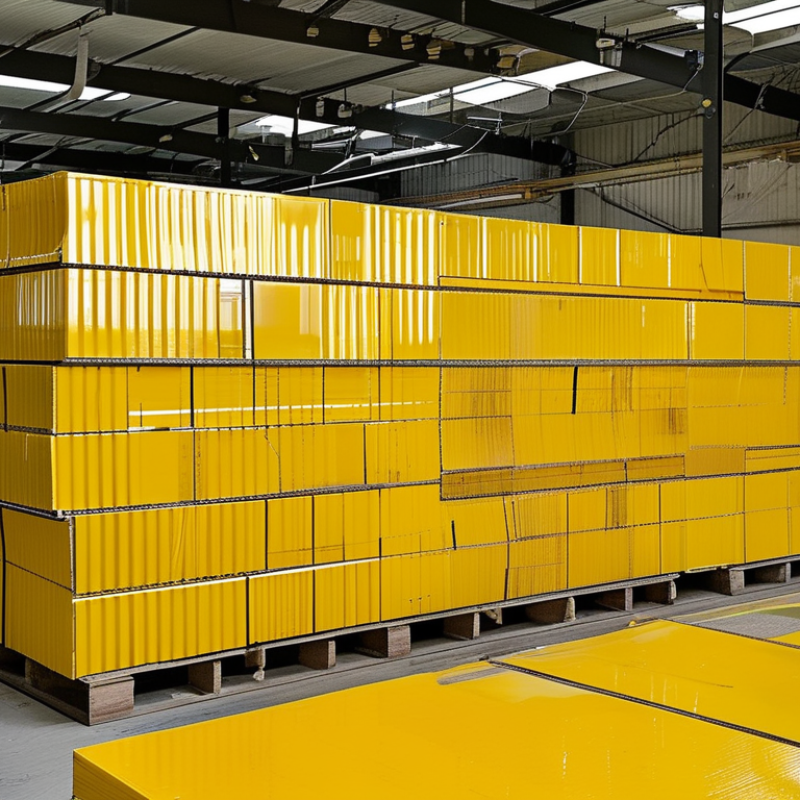
When selecting the right yellow corrugated plastic, it's crucial to understand the different types available. Yellow corrugated plastic varies in thickness, durability, and intended use. For example, materials range from 2mm to 10mm in thickness. Thicker options offer more strength, suitable for ground signage or outdoor displays. Meanwhile, thinner materials are ideal for lightweight projects like temporary banners.
According to a report by Smithers Pira, the global demand for corrugated plastic is projected to grow by 4.2% annually. This growth indicates an increasing need for a variety of applications, including packaging and signage. The ability to choose the right type based on project requirements is essential. For instance, UV-resistant options are necessary for outdoor use, preventing fading and degradation.
Another consideration is the type of manufacturing technique used. Some yellow corrugated plastics are produced through extrusion, which provides uniformity and strength. Others are manufactured using different methods that may compromise durability or visual appeal. Evaluating these factors is integral to making an informed decision. Understanding your project’s specific needs will lead to better material choices, ensuring successful outcomes.
Key Properties to Consider When Selecting Yellow Corrugated Plastic
When selecting yellow corrugated plastic, several key properties should be evaluated. First, consider thickness. A thickness of 2mm to 6mm is common across various applications. Thicker materials offer greater durability but may be less flexible. For example, within retail signage, thicker options can withstand outdoor conditions better than thinner variants. Data indicates that materials with a thickness of 4mm offer an optimal balance of strength and weight.
Next, examine weather resistance. Yellow corrugated plastic should possess UV stability to prevent fading. This is crucial for applications in outdoor environments. According to industry reports, materials treated for UV resistance can last three to five years outdoors without significant degradation. In contrast, untreated options may begin to show wear in just a year, which means they may require more frequent replacement.
Finally, consider the surface finish. A smooth finish allows for better print adhesion, making it a strong choice for banners or promotional displays. Textured finishes can hide scratches and scuffs but may not print as well. Each option has its benefits and drawbacks, demanding careful consideration in line with specific project requirements. Balancing these properties ensures you choose the most suitable yellow corrugated plastic for your needs.
Applications of Yellow Corrugated Plastic in Various Industries
Yellow corrugated plastic is a versatile material used across various industries. Its lightweight and durable nature makes it an ideal choice for signage, packaging, and construction projects. Many companies utilize this material for temporary signs due to its visibility. The bright yellow color is eye-catching, ensuring that important messages stand out.
In the construction sector, yellow corrugated plastic serves as excellent safety barriers. These barriers alert workers and the public about potential hazards. Additionally, its water-resistant properties make it suitable for outdoor applications. In event planning, this material is used for promotional displays and directional signs. Its easy customization allows for a wide range of designs and sizes to fit specific needs.
However, selecting the right type can be challenging. Factors like thickness and texture need careful consideration. Finding a balance between cost and durability is essential. Some users may rush into choices without analyzing long-term performance. This approach can lead to wasted resources if the material fails early. Regular evaluation of applications ensures the right fit and extends utility in various environments.
Evaluating Cost-Effectiveness of Yellow Corrugated Plastic Options
When evaluating the cost-effectiveness of yellow corrugated plastic, it’s essential to consider the specific needs of your projects. Yellow corrugated plastic is durable and versatile, making it suitable for various applications. From signage to lightweight protection, this material shines in different environments. However, its cost can vary significantly. The thickness and quality often dictate the price. A thicker option might cost more upfront but could save money in the long run due to increased longevity.
Examining your project's demands helps you make informed decisions. Will it be used outdoors or indoors? Will it face harsh weather conditions? These questions influence the type of yellow corrugated plastic you need. Some options might be cheaper but could fail sooner. This trade-off is crucial for budgeting. Finding the right balance between upfront costs and long-term value requires careful consideration. Don’t overlook this aspect.
It’s also wise to consider supplier reliability. Quality can vary among manufacturers. Always seek feedback from reliable sources. A less costly option may not hold up well over time. Evaluating past experiences can help guide your selection process. Remember, it’s not just about the price tag. Reflecting on all factors provides a clearer picture of what will truly meet your project's needs.
Cost-Effectiveness of Yellow Corrugated Plastic Options
This chart illustrates the cost per square foot of various yellow corrugated plastic options. Analyzing these costs can help you choose the right product for your projects based on budget and effectiveness.
Sustainability Practices in the Production of Yellow Corrugated Plastic
Sustainability is crucial in today's production processes, especially for materials like yellow corrugated plastic. The industry has seen a shift towards eco-friendly practices. Many manufacturers are investing in recycled materials. In fact, over 30% of corrugated plastic now comes from recycled sources according to recent industry reports. This percentage is likely to grow as sustainability becomes a priority for consumers.
Producing yellow corrugated plastic consumes less energy than traditional plastics. Processes now use renewable energy sources. Reports indicate that these innovations reduce production emissions by up to 20%. However, challenges remain. Not all manufacturers adhere to sustainable practices. The lack of standardization can lead to discrepancies in quality and environmental impact. Transparency in the supply chain is essential for improvement.
Many companies are beginning to adopt life cycle assessments to evaluate environmental impacts. These assessments help identify areas for enhancement. However, data shows that only 15% of companies currently implement these assessments. There is room for growth in this sector. Increased participation would foster accountability and motivate more eco-friendly practices.
How to Choose the Right Yellow Corrugated Plastic for Your Projects?
| Property |
Description |
Sustainability Aspect |
| Material Type |
Polypropylene (PP) or Polyethylene (PE) |
Recyclable materials reduce landfill waste. |
| Weight |
Lightweight, easy to handle |
Lower transportation costs and emissions. |
| Thickness |
Available in various thicknesses (3mm to 10mm) |
Thicker panels can lead to longer product lifespan. |
| UV Resistance |
Protects against fading and degradation |
Longer usability reduces the need for replacements. |
| Colorfastness |
Maintains color over time under varying conditions |
Prolongs aesthetic appeal, reducing waste. |
| Recyclability |
Can be reprocessed into new products |
Supports circular economy initiatives. |