How to Choose Yellow Corrugated Plastic for Your Projects?
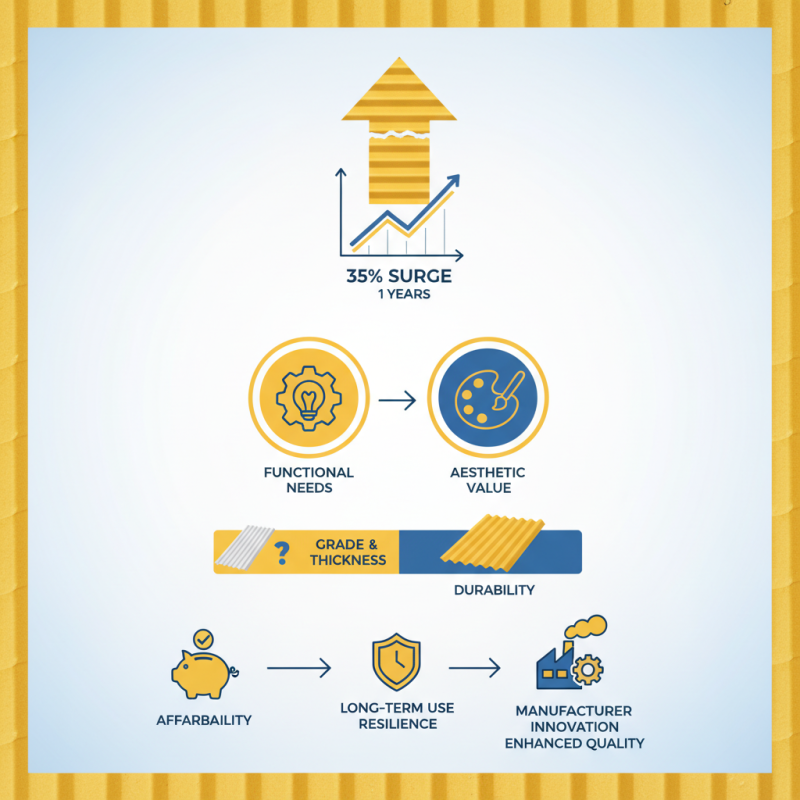
In today's diverse manufacturing landscape, choosing the right materials is crucial for project success. Yellow Corrugated Plastic has become increasingly popular due to its versatility and lightweight nature. According to industry reports, demand for this material has surged by 35% over the past two years. This growth reflects its effectiveness across various applications, from signage to packaging.
Dr. Emily Carter, a recognized expert in sustainable materials, emphasizes, "Yellow Corrugated Plastic not only meets functional needs but also offers a visually appealing option." This insight highlights its role in both utility and aesthetic value. Buyers often struggle with selecting the right grade and thickness, which can impact the project's durability.
While many are drawn to its affordability, it’s essential to consider long-term use. Some projects may require more resilient options. Reflecting on the expanding market, manufacturers continuously innovate to enhance quality and performance. Understanding these nuances can help you make informed decisions when integrating Yellow Corrugated Plastic into your designs.
Understanding the Characteristics of Yellow Corrugated Plastic
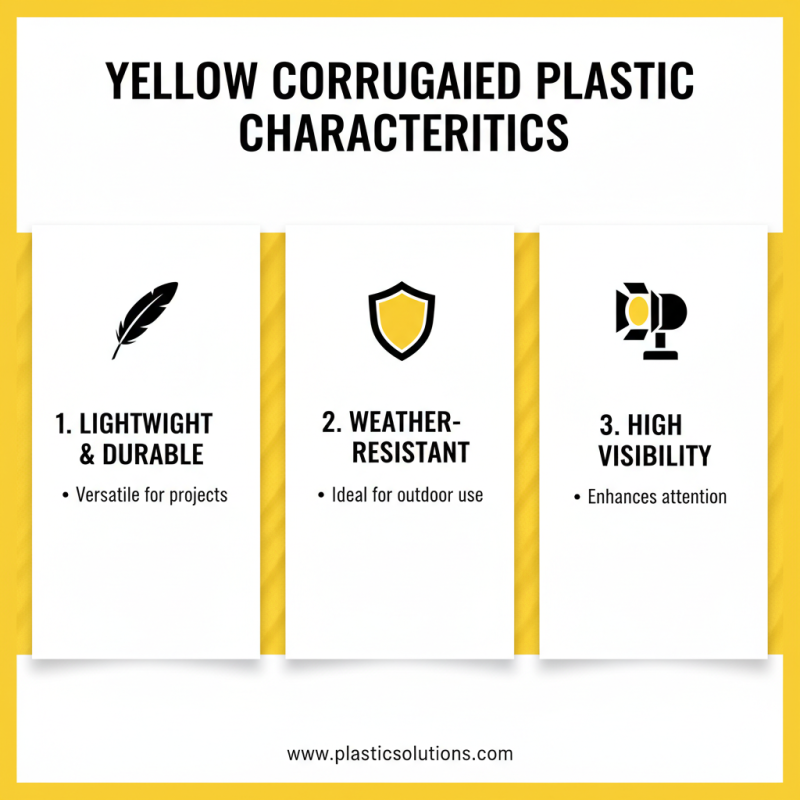
When looking for yellow corrugated plastic, understanding its characteristics is crucial. This material is lightweight yet durable, making it versatile for various projects. It is often used in signage and outdoor displays due to its weather-resistant properties. The bright yellow color can enhance visibility, capturing attention effectively in many environments.
Tips: Consider how the thickness of the plastic impacts its strength. Thicker materials can withstand more wear and tear. However, they might also be heavier and harder to cut. Balance is key.
Additionally, check if the yellow corrugated plastic is UV resistant. This feature helps maintain color vibrancy over time, especially when exposed to sunlight. Some products may fade or lose their integrity, so researching different options can save future headaches.
It is worth noting that not all yellow plastics are created equal. Some may have a slightly different hue or texture, which can affect final results. Testing samples before purchasing can help ensure that you choose the right product for your project. Always be prepared to reflect on your choices and adapt as needed.
Evaluating the Durability and Weather Resistance of the Material
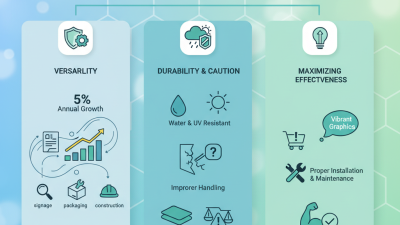
When choosing yellow corrugated plastic, durability and weather resistance are crucial factors. This material is often used for outdoor projects. Its capacity to withstand various weather conditions can significantly elongate the project’s lifespan. Understanding how well the material resists heat, cold, rain, and UV rays is essential.
Consider the thickness of the plastic. Thicker sheets generally exhibit better durability. However, thicker doesn’t always mean better; it can add weight and affect installation. You might face challenges if the material is too heavy for your intended use. While yellow is visually appealing, keep in mind that not all hues offer the same durability levels under sunlight.
The construction of yellow corrugated plastic itself plays a pivotal role in its weather resistance. The fluted design contributes to its overall strength. Still, there may be issues if it's not properly sealed or treated. Water could seep in through any flaws, leading to potential degradation. Testing different samples before large-scale use can help identify suitable options. Always look for signs of wear in initial experiments, as this will inform your choices moving forward.
Durability and Weather Resistance of Yellow Corrugated Plastic
Selecting the Right Thickness for Your Project Needs
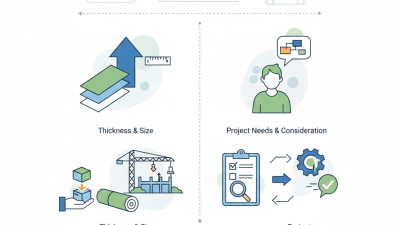
When selecting yellow corrugated plastic for your project, thickness plays a crucial role. It determines the material's durability and its suitability for various applications. Thicker sheets offer better strength and weather resistance, making them ideal for outdoor projects. For instance, if you plan to use them for signage that will face the elements, consider a thickness of at least 4mm. This will ensure the signs withstand wind and rain while maintaining visibility.
On the other hand, thinner sheets, such as 2mm, may suffice for temporary indoor displays. They are lightweight and easy to handle, but they may not endure physical stress well. Be mindful of the project's requirements. Are you looking for flexibility or rigidity? Understanding these factors will guide your selection process.
It's common to overlook thickness when planning a project. Mistakes can happen. Using a thinner sheet than needed might lead to a flimsy outcome. One may also find that a too-thick material becomes cumbersome to work with, especially in intricate designs. Balance is key in making a choice that fits both the project's aesthetics and functionality.
How to Choose Yellow Corrugated Plastic for Your Projects? - Selecting the Right Thickness for Your Project Needs
| Project Type |
Recommended Thickness (mm) |
Common Uses |
Advantages |
Disadvantages |
| Indoor Signage |
2-3 mm |
Banners, point-of-sale displays |
Lightweight, easy to cut |
Less durable outdoors |
| Outdoor Signage |
4-5 mm |
Yard signs, directing traffic |
Weather-resistant, sturdy |
Heavier compared to thinner options |
| Temporary Structures |
3-4 mm |
Event walls, partitions |
Flexible, easy to assemble |
Can be bent if mishandled |
| Packaging |
2 mm |
Protective packaging for items |
Cost-effective, lightweight |
Limited structural support |
| Craft Projects |
1-2 mm |
Arts and crafts, DIY projects |
Easy to manipulate, versatile |
Less durable |
Assessing the Cost-Effectiveness of Yellow Corrugated Plastic
Assessing the cost-effectiveness of yellow corrugated plastic involves multiple factors. Its durability and lightweight nature make it ideal for various projects. For instance, using yellow corrugated plastic for signage can save money in the long run. The initial investment may seem high, but its longevity offsets upfront costs.
Consider the lifespan of the material. Yellow corrugated plastic is resistant to weather elements. This makes it a suitable choice for outdoor applications. The material’s flexibility allows for easy handling and installation. However, some projects might require more sturdy options. Reflect on whether yellow corrugated plastic meets your specific needs.
Another aspect to evaluate is maintenance. This plastic is easy to clean and maintain, requiring minimal effort. However, potential fading over time might affect visual appeal. Balancing these considerations can guide you toward making a wise choice, ensuring your project’s success while maintaining budget constraints.
Exploring Design and Customization Options for Your Projects
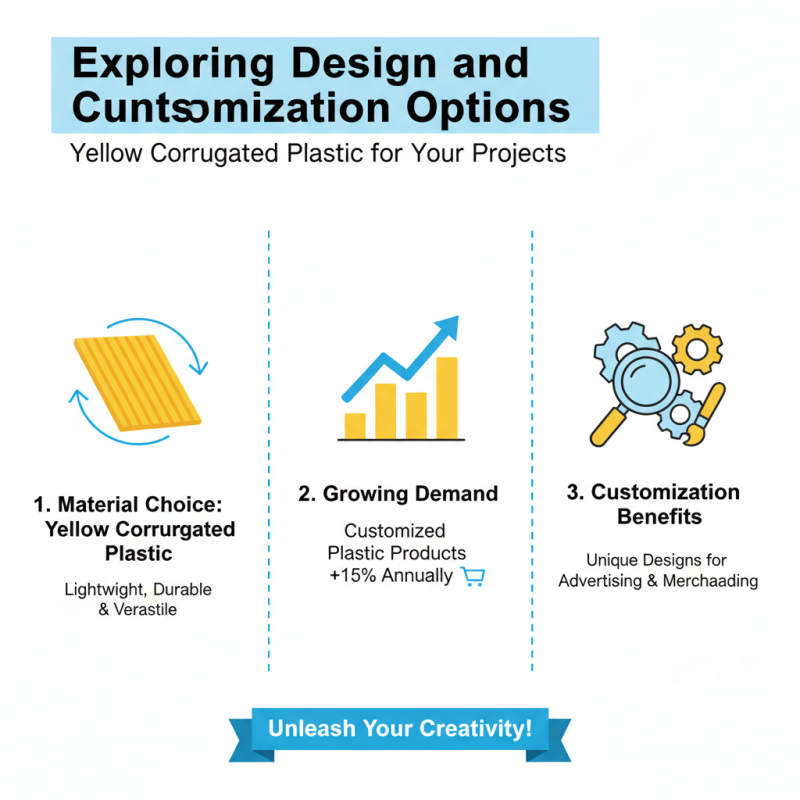
Choosing yellow corrugated plastic for design projects opens up numerous customization options. This material is lightweight yet durable, making it ideal for various applications. According to market analysis, the demand for customized plastic products has increased by 15% annually. This trend reflects consumers' desire for unique designs in advertising and merchandising.
When considering design options, explore different thicknesses and colors. Yellow, being a vibrant color, attracts attention and can enhance visibility. It's essential to balance aesthetics with functionality. Some projects may require weather-resistant features, while others focus solely on design. Using resources like industry reports can guide choices by providing data on performance and durability.
Customization can sometimes lead to challenges. For example, achieving the perfect shade of yellow may take several iterations. Understanding the specific requirements of your project is key. Engaging with professionals who have experience in using corrugated plastic can save time and reduce errors. Overall, designing with yellow corrugated plastic can be rewarding, but it demands careful consideration of various elements.