What is Corrugated Box Plastic and Its Benefits for Buyers?
In the packaging industry, the rise of "Corrugated Box Plastic" has sparked significant interest. This innovative material combines the strength of traditional corrugated cardboard with the durability of plastic. Experts like Dr. Emily Hartman, a specialist in packaging technology, emphasize its advantages. She states, "Corrugated Box Plastic offers a smart solution for modern logistics."
This material is lightweight yet sturdy, making it easier to handle and transport. Its resistance to moisture ensures that products remain safe during transit, reducing losses. Unlike traditional cardboard, it does not degrade quickly, offering longevity in various environments. However, some buyers may hesitate due to initial costs, which can be higher than cardboard alternatives.
The benefits often outweigh these concerns, especially for businesses focusing on sustainability. Corrugated Box Plastic can be reused and recycled, aligning with eco-friendly initiatives. As industries evolve, exploring alternatives like this material can transform logistics and enhance efficiency.
What is Corrugated Box Plastic?
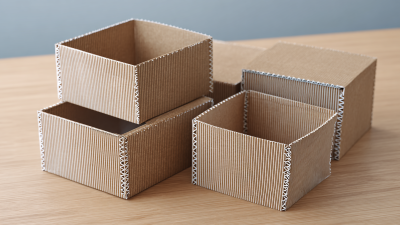
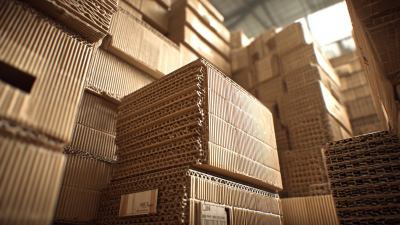
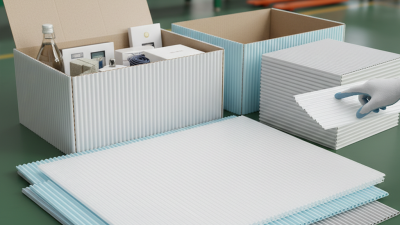
Corrugated box plastic is a versatile packaging material made from a combination of plastic layers and a fluted structure. This design creates air pockets that provide cushioning for sensitive items. Unlike traditional cardboard, it is moisture-resistant and can endure harsh conditions. This makes it popular in various industries, including food, electronics, and retail. Manufacturers appreciate its durability and the protective quality it offers during transportation.
One notable downside is the initial high cost compared to regular cardboard. Businesses may hesitate to invest, especially if they manage tight budgets. However, the long-lasting nature of corrugated plastic often proves cost-effective over time. It reduces replacement expenses and waste. Additionally, businesses struggle with recycling options. While it is recyclable, the infrastructure may not be widely available. Companies must consider their recycling capabilities when choosing this material. The benefits are clear, but careful planning is vital to maximize its potential in sustainable practices.
How Corrugated Box Plastic is Made and Its Composition
Corrugated box plastic is made through a specialized process that merges layers of plastic, often including polyethylene or polypropylene. The production starts with extruding sheets of plastic into a fluted structure. This design increases strength while keeping weight minimal. The process can lead to a versatile product suitable for various industries. According to a report from the Flexible Packaging Association, the demand for such materials is increasing, with a projected growth rate of 4.5% annually through 2026.
The composition typically involves three layers: an inner layer for cushioning, a corrugated middle layer for rigidity, and an outer layer for protection against moisture and contaminants. These components work together to create packaging that withstands heavy loads and environmental conditions. Research indicates that about 70% of consumers show preference for eco-friendly materials. Despite these advantages, challenges remain in terms of recycling and environmental impact, as not all facilities accept plastic-based packaging. Improvements in design and recycling technologies are essential for future sustainability.
In conclusion, corrugated box plastic provides durability and efficiency. However, the reliance on fossil fuels for production raises sustainability concerns. It is crucial to address these issues to meet increasing consumer expectations.
Key Benefits of Using Corrugated Box Plastic for Buyers
Corrugated box plastic is gaining traction in various industries due to its unique properties and benefits. This material combines the strength of traditional corrugated cardboard with the durability of plastic. A report from Smithers indicates that the demand for corrugated plastic boxes has increased by 15% in recent years. This growth is primarily driven by the packaging sector, where businesses seek lightweight yet robust options.
Buyers often appreciate the weather-resistant nature of corrugated box plastic. This characteristic ensures products remain protected, regardless of the environmental conditions. Unlike cardboard, which can absorb moisture, plastic remains unaffected. This leads to lower costs over time, as there are fewer spoilage and damage incidents. In fact, studies show that companies saving on packaging damage can improve profit margins by 8% annually.
Sustainability is another key benefit. Many manufacturers are moving towards recycled materials. Reports show that 30% of corrugated plastic is now made from recycled sources. However, reliance on plastic has raised questions about long-term environmental impacts. The industry needs to address these concerns for continued growth. Adopting eco-friendly practices and improving recyclability could enhance the appeal to environmentally-conscious buyers.
Benefits of Using Corrugated Box Plastic for Buyers
Comparative Analysis: Corrugated Box Plastic vs. Traditional Packaging
When comparing corrugated box plastic to traditional packaging, several key differences emerge.
Corrugated box plastic offers enhanced durability.
Traditional cardboard can weaken when exposed to moisture. In fact, reports indicate that up to 30% of products are damaged in transit due to inadequate packaging. This is a significant issue for many industries.
In terms of weight, corrugated plastic is lighter, which can lead to reduced shipping costs. A study shows that lighter packaging can decrease transportation emissions by 15%. However, it is worth noting that some traditional packaging materials are biodegradable, raising environmental concerns about plastic use. While corrugated plastic may last longer, it does not break down as easily. This raises important questions regarding sustainability.
Moreover, adaptability is a considerable advantage of corrugated box plastic. It can be customized for various shapes and sizes, enhancing efficiency in storage and transport. However, customers may feel conflicted about the perceived value of plastic versus eco-friendly options. Understanding these nuances is crucial for buyers making informed packaging decisions.
Popular Applications of Corrugated Box Plastic in Various Industries
Corrugated box plastic has gained traction in various industries, owing to its unique versatility and durability. It is widely used in packaging, automotive parts, and construction materials. According to Smithers, the global corrugated box market is set to grow by 4.9% annually until 2026. This statistic indicates increasing reliance on materials that offer protection while remaining lightweight.
In the automotive sector, corrugated box plastic is crucial for shipping parts. It withstands moisture and impact, essential for delicate components. The same material supports the food industry by offering hygienic, reusable options. A study by Market Research Future highlights the food packaging segment's expected growth of 5.3% annually. This shift emphasizes the necessity for sustainable practices without compromising quality.
Retailers have also benefited. Many use corrugated box plastic for seasonal promotions. Its customizability allows eye-catching designs that attract customers. However, some inconsistencies in recycling rates must be addressed. According to the Environmental Protection Agency, only about 20% of plastic products are recycled. Improving this will enhance the material's eco-friendliness and overall appeal.