Is Corrugated Plastic the Best Choice for Your Packaging Needs
In the evolving landscape of packaging solutions, Corrugated Plastic emerges as a significant contender. Industry reports suggest that its lightweight nature and durability contribute to a 30% reduction in shipping costs for many companies. Expert in packaging technology, Dr. Emily Thompson, states, "Corrugated Plastic offers a versatile option that meets diverse packaging needs while ensuring sustainability." This versatility makes it a compelling choice for businesses aiming for efficiency.
Despite its advantages, reliance on Corrugated Plastic isn't without challenges. The market fluctuates, and material sourcing can be inconsistent. Additionally, some argue that its eco-friendliness is still being debated, particularly concerning recycling capabilities. It's important for companies to weigh the benefits against potential drawbacks. Not every application may require Corrugated Plastic. Each choice must align with specific operational goals.
As companies seek optimal packaging solutions, understanding these nuances is crucial. Corrugated Plastic may shine in many scenarios, yet its long-term viability hinges on informed decisions. Analyzing market dynamics can lead businesses toward more sustainable packaging practices. A careful approach allows firms to leverage the strengths of Corrugated Plastic while addressing its limitations.
The Composition and Properties of Corrugated Plastic Material
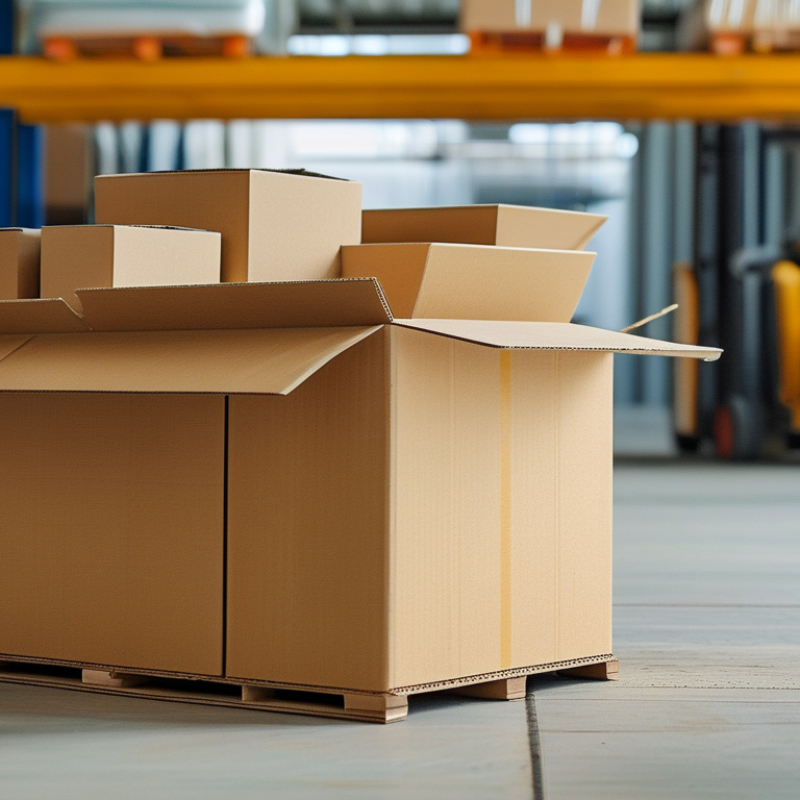
Corrugated plastic is an innovative material used for various packaging needs. It is composed of two outer layers of plastic with a fluted middle section, making it both lightweight and strong. This unique structure allows for excellent impact resistance and durability, which are crucial for protecting goods during transport.
The properties of corrugated plastic include water resistance and UV stability. These attributes make it suitable for both indoor and outdoor applications. However, while it offers many benefits, there are considerations to keep in mind. The recyclability of corrugated plastic can vary, depending on local facilities. Its production process may not be as eco-friendly as other materials, raising environmental concerns.
Corrugated plastic’s versatility allows it to be customized in size and shape. This flexibility is beneficial for businesses looking for tailored packaging solutions. Yet, it raises questions about the trade-offs between customization and sustainability. Ultimately, understanding the composition and properties of corrugated plastic can help in deciding if it fits specific packaging needs.
Key Advantages of Using Corrugated Plastic in Packaging Solutions
Corrugated plastic has emerged as a popular choice for packaging due to its unique properties. This material is lightweight yet durable, making it ideal for protecting products during transit. Its water-resistant nature helps shield items from moisture, which is a significant advantage in various industries. Additionally, corrugated plastic is reusable and recyclable, aligning with sustainable packaging practices.
Tips: Consider the size and weight of your products. The right thickness of corrugated plastic can provide better protection without adding excessive weight. Explore different colors and finishes. These options can help enhance brand visibility while maintaining functionality.
Another advantage is its resistance to chemicals. This feature ensures that packaged items remain safe from hazardous substances. However, it’s essential to match the plastic's specifications with the product's needs. Not all corrugated plastics are created equal. Evaluating suppliers and product quality remains crucial. Over-reliance on a single solution may lead to challenges down the road.
Key Advantages of Using Corrugated Plastic in Packaging Solutions
Industry Statistics: Market Growth and Adoption of Corrugated Plastic
The packaging industry is witnessing significant growth in the adoption of corrugated plastic. Recent studies show that this material has an increasing market share. Businesses are opting for it due to its durability and waterproof characteristics. The flexibility in design and production is also appealing to manufacturers.
Market statistics reveal that corrugated plastic packaging is expected to grow by over 10% annually. Many sectors, like retail and agriculture, are driving this trend. Companies appreciate how lightweight this material is while maintaining strength. It reduces shipping costs and enhances sustainability through recyclability.
However, some companies are still hesitant. The initial investment can be higher than traditional materials. There's also the need for proper knowledge in handling and processing corrugated plastic. These challenges require careful consideration. Potential users must weigh these factors against the benefits for their packaging needs.
Comparative Analysis: Corrugated Plastic vs. Other Packaging Materials
When considering packaging, corrugated plastic stands out among various options. Unlike traditional cardboard, it is waterproof and resistant to chemicals. This makes it suitable for diverse environments.
For instance, industries like agriculture and automotive often rely on this material for durable solutions. In contrast, cardboard can easily become soggy and weak when exposed to moisture.
Some may question the recyclability of corrugated plastic compared to paper alternatives. While it is reusable and recyclable, its environmental impact is still a topic for debate. Many users find it challenging to dispose of it properly. This highlights the need for better recycling programs and consumer awareness. On the other hand, paper packaging is perceived as more eco-friendly, though it can lack strength.
Ultimately, the choice depends on specific needs. For heavy-duty applications, corrugated plastic often outperforms other materials. Yet, costs remain a consideration. Balancing durability and expense can be crucial for businesses. Understanding individual requirements will significantly impact the decision. It’s not just about strength — it’s about making the right choice for your packaging challenges.
Sustainability Considerations in Choosing Corrugated Plastic for Packaging
Sustainable packaging is gaining momentum.
Corrugated plastic is known for its durability and lightweight properties.
This material is made from high-density polyethylene, which is recyclable.
Research from the Environmental Protection Agency shows that plastic recycling rates in the U.S. hover around
9%, a number that highlights the importance of choosing materials wisely.
Corrugated plastic can be reused multiple times, reducing waste significantly.
While corrugated plastic has advantages, it’s not without challenges.
Some companies overlook its environmental impact during production.
The manufacturing process can involve energy-intensive methods.
It's essential to evaluate the entire life cycle of packaging materials.
A recent study by the Plastic Pollution Coalition indicates that sustainable sourcing is critical to minimize carbon footprints.
Tips: Always assess the recyclability of packing materials.
Engage with suppliers who prioritize sustainability practices.
Educate your team on the importance of sustainable choices in packaging.
Making informed decisions can lead to better outcomes for the environment.
Implement gradual changes, rather than a complete overhaul, to make the transition smoother.