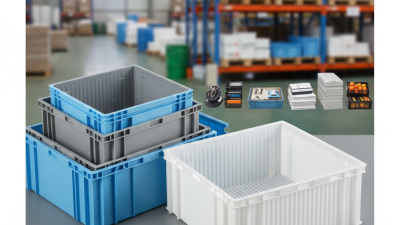
What is Corrugated Plastic Totes and How Are They Used?
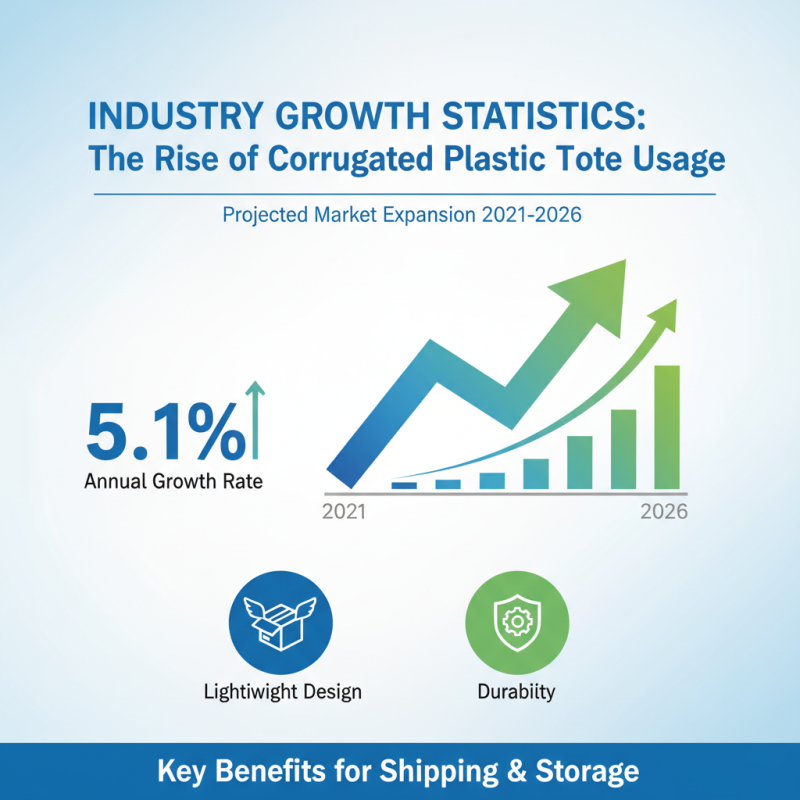
Corrugated Plastic Totes have gained significant traction across various industries. These versatile containers offer durability, lightweight properties, and recyclability, making them ideal for storage and transport. According to a recent report by Smithers Pira, the global market for corrugated plastic packaging is projected to grow at a compound annual growth rate (CAGR) of 4.5% from 2022 to 2027.
Industry expert Dr. Robert Green stated, “Corrugated Plastic Totes revolutionize supply chain efficiency while promoting sustainability.” His insights reflect the growing importance of eco-friendly packaging solutions. Companies are increasingly adopting these totes for their ability to reduce waste. This shift shows a collective movement towards responsible practices in manufacturing.
Despite their advantages, some challenges remain. The initial investment for high-quality corrugated plastic can be daunting for small businesses. Additionally, choosing the right size and design is crucial to maximizing efficiency. As the industry evolves, addressing these concerns will be essential for widespread adoption of Corrugated Plastic Totes.
What Are Corrugated Plastic Totes: An Overview of Their Composition
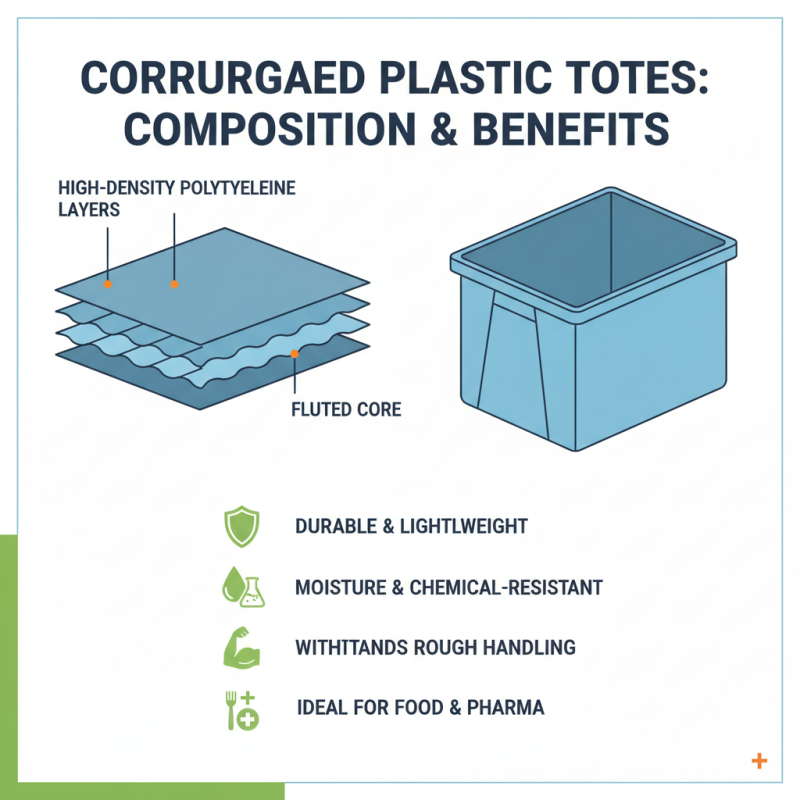
Corrugated plastic totes are a unique storage solution made from a strong, lightweight material. This composition involves layers of high-density polyethylene, providing durability and flexibility. Industry reports indicate that these containers can withstand rough handling, making them ideal for various applications. Their resistance to moisture and chemicals adds to their appeal, especially in food and pharmaceutical industries.
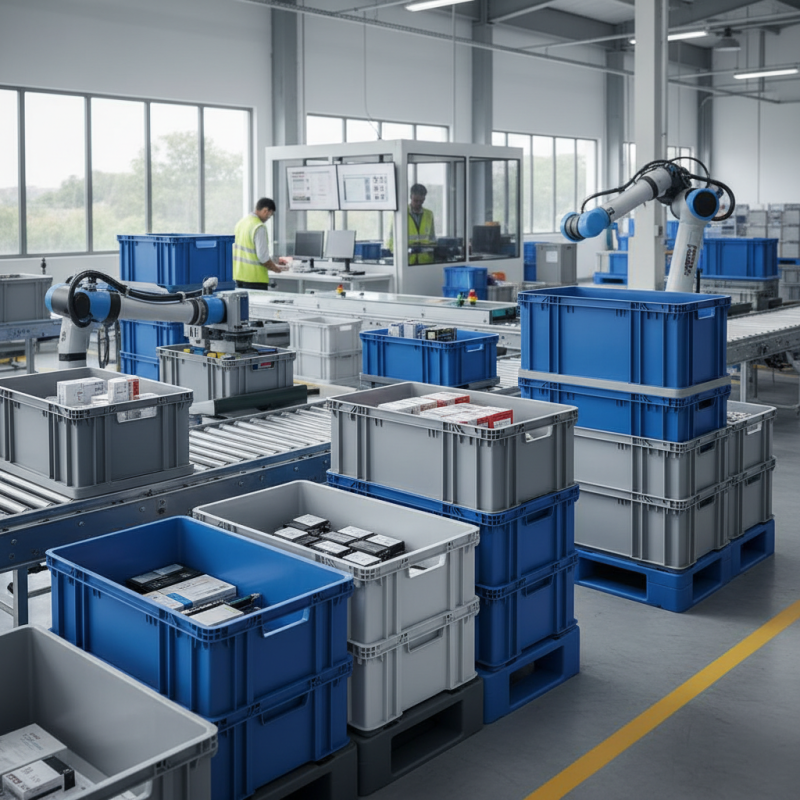
These totes have become increasingly popular for transporting goods. According to a recent survey, over 70% of logistics companies now incorporate them into their supply chains. With their customizable sizes and designs, they can meet diverse storage needs. However, some users report challenges with stacking stability. Misalignment can lead to damages during transportation. While corrugated plastic totes are versatile, proper handling remains crucial.
Moreover, manufacturing these totes can raise environmental concerns. The production process involves energy consumption and can contribute to plastic waste. Some companies are now exploring recycling options for these materials. This shift reflects a growing awareness of sustainability in the industry. Despite the advantages, the environmental impact requires ongoing evaluation.
Key Characteristics of Corrugated Plastic Totes: Strength and Durability
Corrugated plastic totes have become essential in various industries. They are designed to offer excellent strength and durability for heavy-duty tasks. Made from a fluted plastic material, they resist bending and breaking. This makes them ideal for transporting goods safely.
One striking feature is their lightweight nature. Even with their robust construction, they are surprisingly easy to handle. Many users appreciate their resistance to moisture and chemicals. These qualities extend their lifespan, making them cost-effective over time. However, the handling of these totes can sometimes be tricky; they may shift if not packed correctly.
For daily use, their stackable design is a game-changer. It saves space during storage and transit. However, some users find that certain weights can affect their stability. Adjusting load distribution becomes crucial in these situations. Overall, while corrugated plastic totes shine in strength and durability, they require thoughtful use to maximize their potential.
What is Corrugated Plastic Totes and How Are They Used? - Key Characteristics of Corrugated Plastic Totes: Strength and Durability
| Characteristic |
Description |
Benefits |
Common Uses |
| Weight |
Lightweight yet robust material made from polypropylene |
Easy to handle and transport, reducing shipping costs |
Shipping, warehousing |
| Water Resistance |
Non-porous material that resists moisture |
Keeps contents dry, suitable for perishable goods |
Food storage, agriculture |
| Durability |
Highly resistant to impacts and wear |
Long lifespan, reduces the need for frequent replacements |
Industrial applications, manufacturing |
| Customization |
Can be produced in various sizes and colors |
Flexibility to meet specific storage and branding needs |
Retail, promotional uses |
| Recyclability |
Made from recyclable materials |
Environmentally friendly option |
Sustainability initiatives, eco-conscious businesses |
Common Applications of Corrugated Plastic Totes in Various Industries
Corrugated plastic totes are becoming widely used across various industries due to their durability and lightweight properties. In the food industry, for example, these totes are often utilized for transporting fresh produce. A recent report noted that nearly 70% of fresh food distributors favor corrugated plastic totes for their moisture resistance and structural integrity. These features help maintain the quality of perishable goods during transit.
In retail, corrugated plastic totes serve as an efficient solution for inventory management. Retailers report reduced costs associated with storage and transportation. A study found that using these totes can cut logistical expenses by up to 30%. However, challenges remain. Some retailers struggle with the initial investment in these reusable containers. Additionally, cleaning and sanitization processes can be cumbersome, leading to inefficiencies.
Moreover, the automotive industry uses corrugated plastic totes for parts storage and transport. Their lightweight nature reduces shipping costs. Still, sustainability concerns arise. The production of these totes can leave a significant carbon footprint. Companies are urged to evaluate their supply chains critically to maximize efficiency while minimizing environmental impact.
Comparative Analysis: Corrugated Plastic Totes vs. Traditional Shipping Containers
Corrugated plastic totes have gained popularity in various logistics applications. They are lightweight but durable. In contrast to traditional shipping containers, they offer significant benefits in terms of efficiency. According to a recent report, corrugated plastic materials can reduce shipping weight by up to 30%. This reduction leads to lower fuel costs and improved transportation efficiency.
However, traditional containers still hold advantages in terms of sturdiness. They can endure harsher conditions, particularly in long-distance shipping. A study conducted by the Packaging Association noted that while plastic totes are reusable, they have a limited lifespan compared to metal containers. Users need to weigh these factors against their shipping needs.
Cost is another notable difference. Corrugated plastic totes tend to be less expensive initially but may require additional care as they can wear out faster. Research indicates that the lifecycle cost of corrugated plastic is variable, depending on usage frequency and handling methods. Organizations should assess these aspects to make informed choices.