Top Tips for Using Corrugated Plastic Effectively?
Corrugated Plastic has become a staple in various industries. Its versatility and durability make it ideal for signage, packaging, and construction. A report by Smithers Pira indicates that the global demand for corrugated plastic is expected to rise by 5% annually. This growth highlights the importance of utilizing this material effectively.
Many users underestimate the potential of Corrugated Plastic. Despite its lightweight nature, it can withstand harsh conditions. In outdoor applications, it is resistant to water and UV light. However, improper handling can lead to damage. Common mistakes include neglecting to consider thickness and weight distribution.
To maximize its effectiveness, users should focus on specific applications. For example, in retail, vibrant graphics on Corrugated Plastic signs attract attention. Yet, without proper installation, these signs may not last long. Employing best practices in maintenance and usage is crucial for maximizing durability and performance.

Benefits of Corrugated Plastic in Various Applications
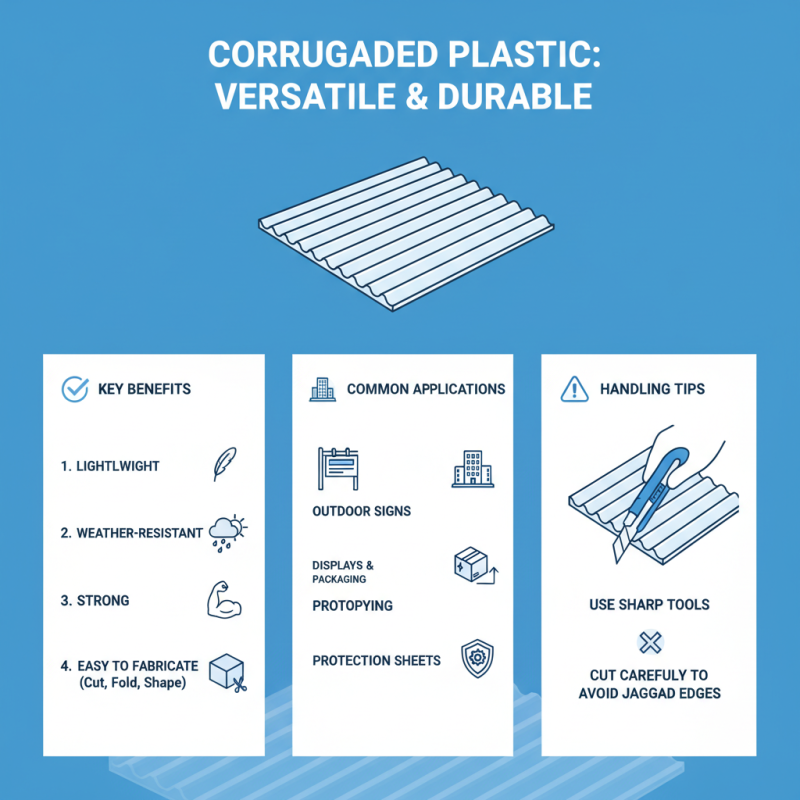
Corrugated plastic is versatile and durable. It has gained popularity in various applications due to its distinct benefits. This lightweight material is weather-resistant and strong, making it ideal for outdoor signs and displays. You can easily cut, fold, and shape it to fit your needs. Yet, handling it requires care. Improper cutting may result in jagged edges.
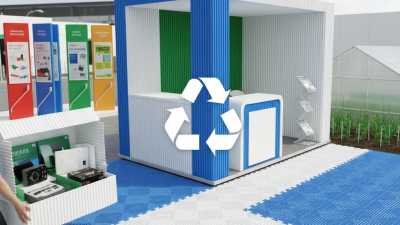
In construction and packaging, corrugated plastic offers cost-effectiveness and sustainability. It is recyclable and can reduce waste significantly. Users have noticed that it is not as rigid as other materials. This could lead to concerns about its long-term durability under heavy loads. Using it with the right supports is essential.
Creativity often shines through in crafting unique items from corrugated plastic. Many have made custom furniture or art pieces, showing its adaptability. However, the aesthetic appeal might not suit every design vision. Sometimes, it can look plain or industrial. Balancing functionality and style is key. This encourages ongoing experimentation and refinement in its use.
Choosing the Right Type of Corrugated Plastic for Your Project
Choosing the right type of corrugated plastic can profoundly impact your project's success. Corrugated plastic comes in various thicknesses and colors. The thickness often determines its durability and flexibility. For lightweight projects, opt for thinner sheets. They are easy to cut and handle. However, don't underestimate the strength of thicker options for more demanding tasks.
Consider the color and transparency of the plastic as well. Some projects might benefit from opaque sheets for privacy. Others require transparency for visibility. If you're unsure, experimenting with a few samples can be useful. Identifying the right type isn't always straightforward. You might find yourself questioning your choices midway through.
Ultimately, assess the environment where the plastic will be used. Will it be exposed to moisture or sunlight? Not all corrugated plastics can withstand harsh conditions. It may take more time to find the perfect fit, but your project will reflect those efforts in the end. Remember, trial and error is part of the process. Don't rush the selection; it might backfire later.
Essential Tools and Materials for Working with Corrugated Plastic
When working with corrugated plastic, having the right tools and materials is crucial. A utility knife is essential for making clean cuts. Good quality scissors also work but may not provide the same precision. A straight edge ruler helps ensure straight lines. Your workspace should be clear and well-lit to prevent accidents. Always have a cutting mat to protect surfaces.
Durable adhesives are necessary for assembly. Hot glue guns are popular due to their strength and quick drying time. Be mindful of using too much glue; it can create messy joints. Some projects may benefit from mechanical fasteners, like screws or nails. However, they can be overkill for lightweight applications. Consider weight and stress when choosing your methods.
Industry reports indicate that corrugated plastic has a lifespan of 5 to 15 years, depending on usage and conditions. That said, it can still become brittle when exposed to UV rays. Reflect on your project’s environment. If it’s outdoors, consider UV-resistant coatings. This additional step can prolong the material’s integrity. Remember, even the best strategies may need adjustments based on your specific needs. Adjustments should be seen as part of the creative process.
Top Tips for Using Corrugated Plastic Effectively
| Tip Number |
Tip Description |
Essential Tools |
Recommended Materials |
| 1 |
Ensure clean cuts by using a sharp utility knife. |
Utility Knife |
Corrugated Plastic Sheets |
| 2 |
Use appropriate fasteners to secure pieces together. |
Screws and Washers |
Nuts and Bolts |
| 3 |
Utilize clamps for added stability during assembly. |
Clamps |
Corrugated Plastic Sheets |
| 4 |
Seal cuts with tape to prevent moisture damage. |
Duct or Packing Tape |
Base Plastic Sheets |
| 5 |
Choose the right thickness for your project needs. |
Thickness Gauge |
Various Thickness Plastic Sheets |
Techniques for Cutting and Shaping Corrugated Plastic
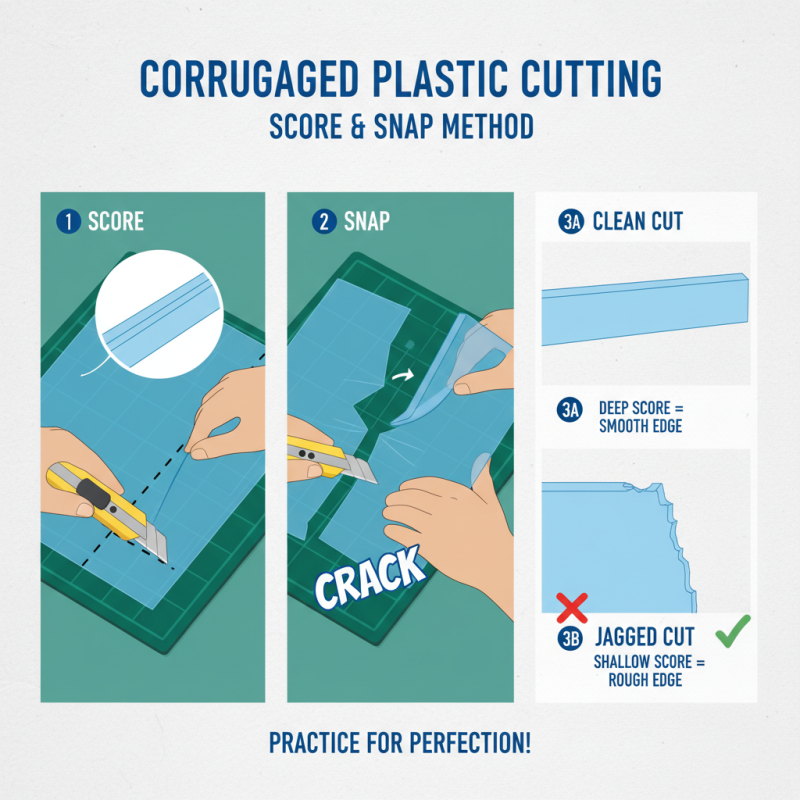
When working with corrugated plastic, cutting and shaping properly is crucial. Use a utility knife for straight cuts. Score the surface lightly and then snap it along the line. This technique is simple but requires practice to master. Sometimes the score isn't deep enough, leading to a jagged edge. Reflect on your technique to improve these outcomes.
For curved shapes, use heat. A heat gun can soften the plastic. Move it gently to prevent burning. After heating, bend it to the desired angle. It might not hold the shape perfectly, so secure it until cool. Check if the curve is smooth or if adjustments are needed. This trial-and-error approach can enhance your skills.
Ultimately, patience is key. Measure twice before cutting to avoid mistakes. Try different tools to see what works best for you. Remember, not every cut will be perfect, but learning from those imperfections can lead to great improvements. Experiment, and don’t hesitate to adjust your methods.
Best Practices for Maintaining and Storing Corrugated Plastic Products
Maintaining corrugated plastic products is crucial for maximizing their lifespan. Regular cleaning is essential. Dirt and grime can diminish their structural integrity. A simple rinse with water often suffices. However, for tougher stains, mild soap works well. Avoid harsh chemicals, as they may damage the surface.
Proper storage practices greatly influence the durability of corrugated plastic. Keeping items flat in a temperature-controlled space prevents warping. Industry reports indicate that 30% of damage occurs during improper storage. Additionally, stacking should be minimal. Overcrowding can lead to deformation. Some users overlook the importance of climate. Extreme temperatures can cause brittleness over time.
It's also worth reflecting on your usage habits. Users sometimes panic and discard products at the first sign of wear. Instead, a thorough inspection may reveal simple fixes. Learn about the signs of wear, like cracks or fading. Regular checks can extend the life of your corrugated plastic. Adopting these preventative measures ensures that your investment is protected.