Essential Tips for Choosing the Right Corrugated Protection Sheet?
Choosing the right Corrugated Protection Sheet is crucial for various industries. According to industry expert John Simmons, "The right sheet can make all the difference in product safety." When selecting these sheets, factors such as material durability and environmental conditions must be considered.
Many businesses underestimate the importance of quality. Inferior protection can lead to damage, increasing costs. Visualizing the application is key; think about how sheets will be used in real-world situations. Will they face moisture, impact, or extreme temperatures? Providing unique solutions requires expertise.
Many find themselves overwhelmed with options. This decision affects both the budget and product integrity. It's essential to consult knowledgeable professionals. Their insights can guide you toward the most effective choice. A poor selection could undermine your entire project. Reflecting on these aspects is necessary for informed decision-making.
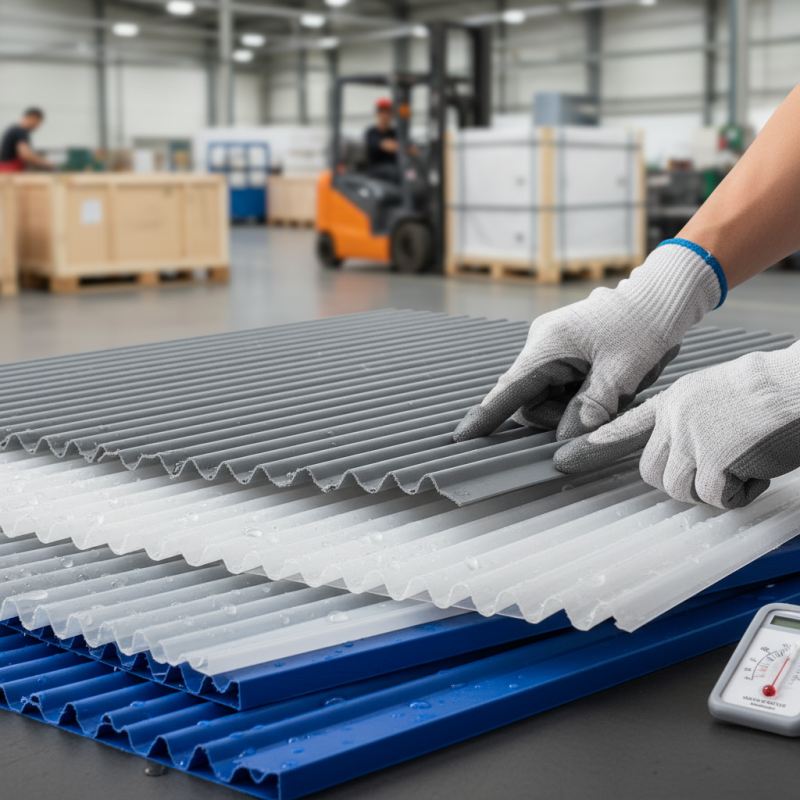
Understanding the Purpose of Corrugated Protection Sheets
Corrugated protection sheets are vital in various industries. They serve to shield products from physical damage during transport and storage. According to recent industry studies, nearly 35% of product damage occurs due to inadequate packaging. Understanding the purpose of corrugated protection sheets helps businesses make informed choices, ultimately minimizing losses and enhancing product integrity.
Choosing the right corrugated protection sheet requires careful consideration. Look for materials with high density. Density contributes to strength, ensuring better protection. It is also essential to review industry standards. For instance, sheets meeting ISTA (International Safe Transit Association) guidelines can significantly reduce damage rates during shipping.
Here are some quick tips for selecting corrugated sheets. First, assess the weight of your products. Lightweight products may need a different thickness compared to heavier ones. Also, consider the environmental impact. Many options are sustainable and recyclable. Finally, visualize your packaging needs. Custom sizes can lead to better fit and reduce waste. Making thoughtful decisions now will pay off in the long run.
Factors to Consider When Selecting Material for Protection Sheets
When selecting material for protection sheets, one must consider various factors. The primary concern is the type of material used. Corrugated sheets are known for their lightweight yet durable properties. Research indicates that corrugated polycarbonate sheets can withstand impacts better than other materials. They are 250 times stronger than glass yet remain transparent.
Another significant factor is the thickness of the sheets. Thicker sheets provide better protection against environmental elements such as UV rays and moisture. Industry reports suggest that sheets with a thickness of 4mm or more can ensure optimal performance in harsh conditions. However, adequate thickness can increase costs, leading to a need for a careful budget assessment.
Additionally, the sheet's treatment matters. UV-resistant coatings prolong the life of protection sheets exposed to sunlight. But these treatments can also compromise the material's strength. It's important to balance durability and protection needs. Investing in quality is vital, yet it’s essential to analyze specific project requirements. Sometimes, cheaper options may lead to higher costs in the long run due to frequent replacements.
Evaluating Thickness and Strength for Your Specific Needs
When selecting the right corrugated protection sheet, thickness and strength are crucial. The thickness of the sheet directly influences its ability to withstand stress. Thicker sheets typically provide more protection, making them ideal for heavy items or harsh environments. However, overly thick sheets can be cumbersome. It’s essential to balance protection needs with practicality.
Strength is another pivotal factor. Consider the specific items you need to protect. If your products are fragile, a stronger sheet might be necessary. For heavier, denser items, a medium-strength sheet can suffice. Testing different materials can be insightful. Sometimes, a lighter sheet may perform surprisingly well under stress.
Don’t forget to consider the environmental factors. Exposure to moisture or extreme temperatures can impact performance. Analyze your specific application and reflect on past experiences. Sometimes, the less obvious choice may work better than anticipated. Be open to experimenting with different grades and varieties of corrugated sheets to find the best fit for your needs.
Choosing the Right Dimensions for Your Application
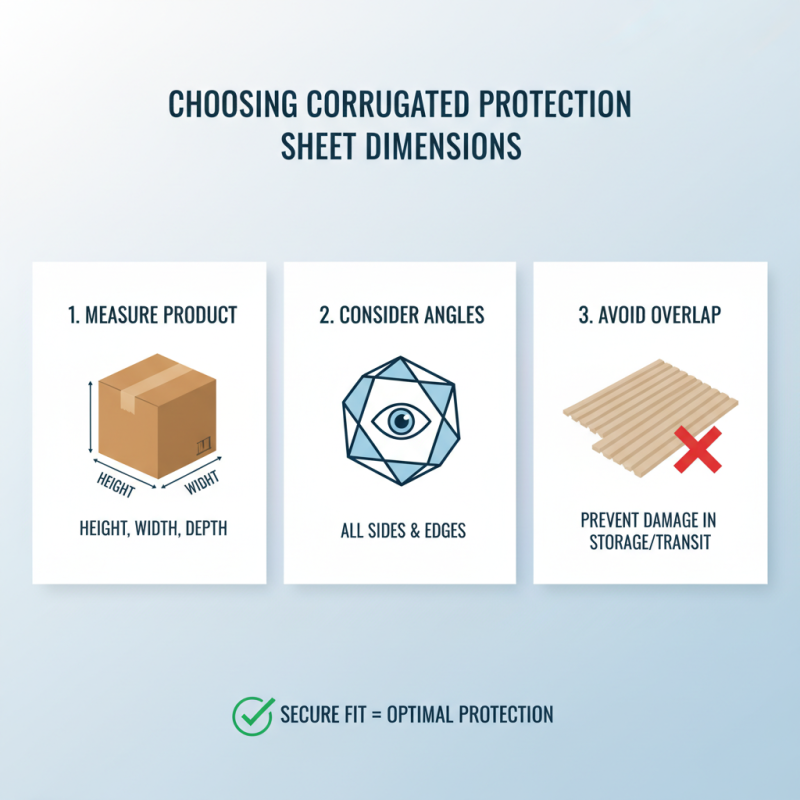
Choosing the right dimensions for your corrugated protection sheet is crucial. The sheet should fit securely around your products, providing optimal security. Measure the height, width, and depth of the items you wish to protect. Consider lots of angles. Overlapping edges can lead to damages during storage and transport.
When selecting dimensions, think about the total weight of the products. Heavier items need a sturdier protection sheet. A flimsy sheet may fail under pressure, risking damage. It's important to visualize how the sheet will perform in real situations. A protective sheet that fits snugly reduces movement. However, a too-tight fit can cause tears and bends.
Don’t overlook the environmental factors. Factors like moisture and temperature play roles in selecting the right size. If your items operate outdoors, make sure the sheet is resistant to elements. Reviewing these considerations can help you avoid costly mistakes. A proper fit is not just about size; it's about protection and ensuring your goods arrive intact.
Cost vs. Quality: Making the Best Investment in Protection Sheets
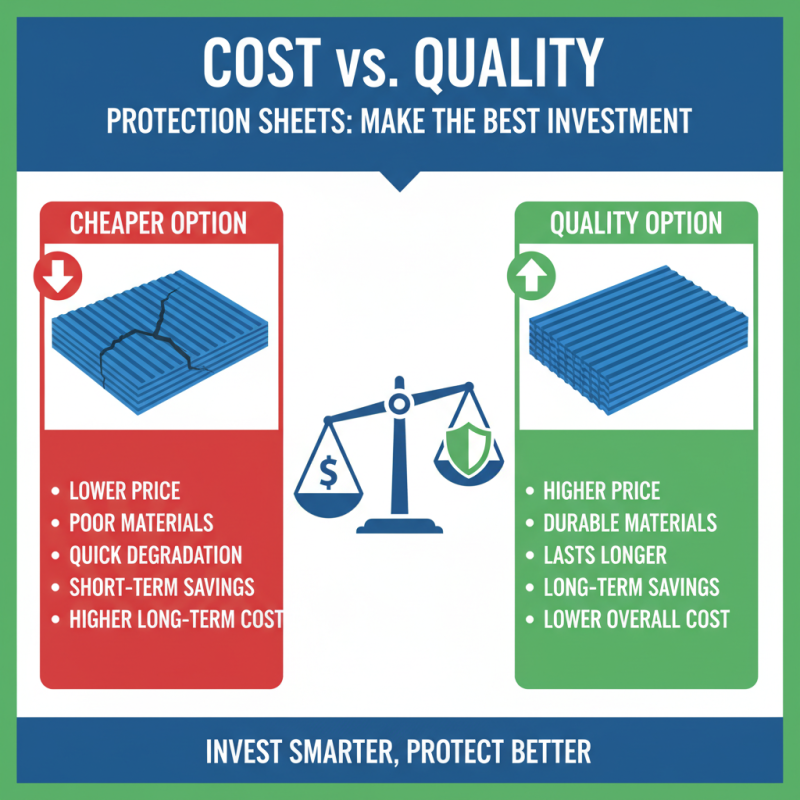
When it comes to choosing corrugated protection sheets, the balance between cost and quality plays a crucial role. Many buyers focus solely on the price. However, cheaper options may compromise the materials used, leading to quicker degradation. It’s essential to evaluate what you are sacrificing for a lower price tag. A small upfront investment in quality sheets can save considerable expenses in the long run.
Consider the environment where these sheets will be used. If they are exposed to harsh conditions, investing in high-quality options is vital. They provide better resistance to moisture and temperature changes. Inadequate protection can lead to damage, affecting your overall operations. Reflect on previous purchases. Did a lower price lead to higher costs due to replacements?
Think about the purpose of the protection sheets. If they're for long-term use, opt for durability. Quality sheets remain effective longer, reducing waste and frequent replacements. Reliable products contribute to safety and efficiency. By weighing the durability against initial costs, you make a thoughtful investment in your materials. Choosing the right protection sheets is a blend of strategic decision-making, prioritizing quality while being mindful of your budget.