Essential Tips for Choosing Corrugated Protection Sheets?
In the rapidly evolving packaging sector, the choice of materials plays a crucial role. Corrugated Protection Sheets have gained immense popularity due to their strength and durability. According to recent industry reports, the demand for protective packaging solutions is projected to grow by over 6% annually. This growth underscores the importance of selecting the right type of corrugated sheet for various applications.
Choosing the right Corrugated Protection Sheet is not a straightforward task. Factors such as material thickness, flexural strength, and moisture resistance all come into play. An effective sheet should balance cost-effectiveness and protective capabilities. Inadequate choices can lead to product damage, which could incur significant costs and impact your brand's reputation.
Additionally, different industries may require unique specifications. For instance, fragile items demand superior cushioning. On the other hand, heavy machinery might need robust sheets for safety. Understanding these nuances is vital. This guide will delve into essential tips to make an informed decision. Your packaging integrity relies heavily on this choice.

Understanding Corrugated Protection Sheets and Their Uses
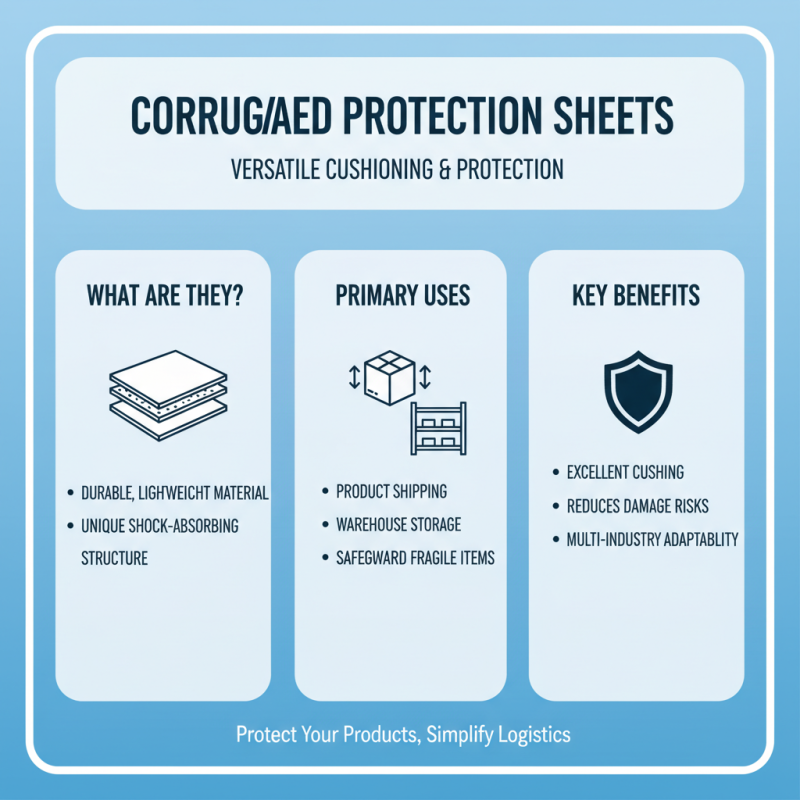
Corrugated protection sheets are versatile materials widely used across various industries. They are made from durable, lightweight materials that provide excellent cushioning and protection. These sheets are commonly utilized to safeguard products during shipping and storage. Their unique structure allows them to absorb shocks, reducing the risk of damage to fragile items.
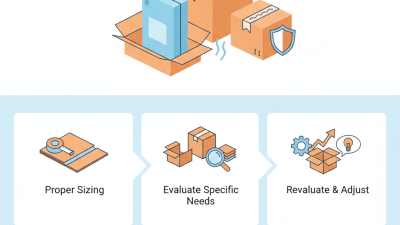
When selecting corrugated protection sheets, consider the specific needs of your products. Thickness and size are crucial factors. Thicker sheets generally offer greater protection. However, the size must align with the items you are packaging. It’s essential to think about how these sheets will fit in your space. Test different options to find the best fit for your products.
While corrugated sheets are effective, they may not always provide the same level of protection as other materials. For instance, in very humid conditions, they can absorb moisture and weaken. It's important to assess your environment when choosing materials. Compare the benefits of corrugated sheets with other protective solutions to ensure you're making the right choice.
Key Factors to Consider When Selecting Corrugated Protection Sheets
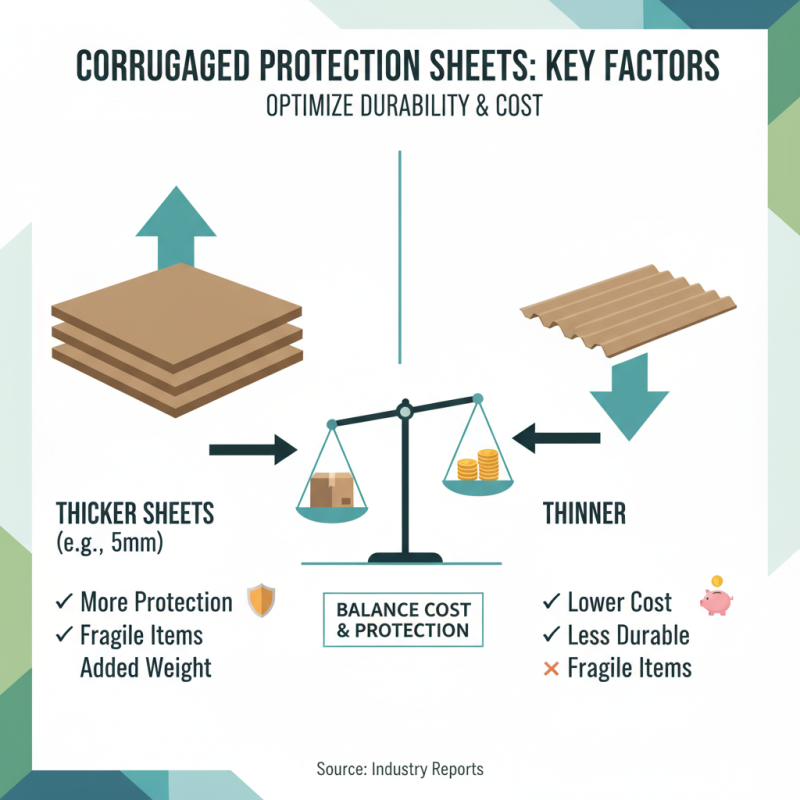
When selecting corrugated protection sheets, several key factors must be considered. The thickness of the sheets is critical. Thicker sheets generally provide better protection but may add weight. According to industry reports, sheets with a thickness of 5mm can offer significant protection for fragile items. Conversely, thin sheets may be more affordable but compromise durability.
Another important aspect is the composition of the material. Many corrugated sheets are made from recycled cardboard. This choice can impact both strength and environmental sustainability. Studies show that sheets manufactured from 100% recycled materials may offer lower resistance to moisture. Therefore, assessing environmental conditions is crucial. Moisture-resistance can be a deciding factor in damp climates.
Finally, cost-effectiveness should not be overlooked. Balancing quality and budget can be challenging. While premium options may outperform cheaper alternatives, specific use cases may not require top-tier durability. Investing in lower-cost sheets could lead to damage during transit, resulting in higher replacement costs. It’s essential to weigh the initial savings against potential risks to avoid overlooking crucial specifications.
Comparing Different Materials Used in Corrugated Protection Sheets
When selecting corrugated protection sheets, understanding the materials used is crucial. Corrugated sheets often utilize materials such as cardboard, plastic, and metal. Each material offers unique advantages and drawbacks that can impact protection and cost.
Cardboard sheets are lightweight and eco-friendly. They are often used in temporary packaging. However, they may lack durability against moisture. According to a report by the Packaging Association, over 30% of businesses prefer cardboard for its sustainability benefits. This choice can be a double-edged sword, as the strength may not always meet industrial needs.
Plastic corrugated sheets are gaining popularity. They are resistant to moisture, lightweight, and can be reused. However, they present environmental concerns due to their non-biodegradable nature. The Plastics Industry Association indicates that about 50% of companies favor plastic for long-term durability. Yet, the reliance on plastic raises questions about sustainable practices in packaging.
Metal sheets offer exceptional strength and can withstand extreme conditions. While they provide superior protection, their weight and cost can be significant downsides. A study indicated that while metal is superior for heavy-duty applications, its use has seen a decline of 15% in recent years due to these factors. Companies must weigh their specific needs against the material characteristics to make informed choices.
Essential Tips for Choosing Corrugated Protection Sheets
| Material Type |
Durability |
Weight |
Cost per Sheet |
Recyclable |
| Polypropylene |
High |
Lightweight |
$15 |
Yes |
| PVC |
Medium |
Moderate |
$12 |
No |
| Cardboard |
Low |
Lightweight |
$8 |
Yes |
| Polyethylene |
High |
Lightweight |
$10 |
Yes |
| Fiberglass |
Very High |
Heavy |
$20 |
No |
Evaluating the Durability and Strength of Corrugated Protection Sheets
When evaluating the durability and strength of corrugated protection sheets, it’s crucial to consider their material composition. Most sheets are made from various grades of paper or plastic, impacting their weight-bearing capacity. According to industry reports, a standard corrugated sheet can tolerate stress levels of up to 50 pounds per square foot. This weight tolerance significantly influences performance during shipment and storage of products.
Another important aspect is the testing methods for these sheets. The Edge Crush Test (ECT) measures the stacking strength of corrugated board. Reports show that sheets with an ECT rating of 32 or higher are preferable for heavy-duty applications. Additionally, moisture resistance is vital. Certain sheets resist water and humidity better than others, making them ideal for various environments. However, it’s essential to regularly assess the environmental conditions they face, as prolonged exposure can compromise their integrity.
Understanding these elements helps users make informed decisions. The needs of specific applications impact the final choice. Balancing between strength and weight, while accounting for cost efficiency, remains a challenge. It’s important to continuously evaluate new materials and technologies in the industry to optimize performance.
Durability and Strength Comparison of Corrugated Protection Sheets
Tips for Proper Installation and Maintenance of Protection Sheets
Proper installation and maintenance of corrugated protection sheets are crucial for maximizing their effectiveness. According to recent industry reports, correct installation can enhance the longevity of these sheets by up to 30%. Begin by ensuring that the surface is clean and dry. Dust and debris can compromise adhesion and overall durability. Furthermore, using the appropriate fastening techniques is essential. Experts suggest a spacing of no more than 24 inches between supports to prevent sagging.
Regular maintenance cannot be overlooked. Inspections should occur every six months, especially in environments exposed to harsh conditions. Look for signs of wear or damage. Issues like UV degradation and moisture infiltration can significantly affect performance. Industry data indicates that sheets left unchecked may lose their protective qualities within a year. Addressing minor repairs early can save costs and extend the lifespan of your protection sheets significantly.
Avoid common installation pitfalls, such as improper alignment. Misaligned sheets can lead to gaps, allowing water or contaminants to enter. A slight miscalculation may seem trivial, but it can lead to long-term damage. Implementing a systematic approach to both installation and maintenance will ensure that your corrugated protection sheets perform effectively through their intended lifespan.