10 Essential Tips for Using Corrugated Plastic Boxes Effectively?
In today's fast-paced world, the efficiency of packaging is paramount. Corrugated plastic boxes are increasingly popular for their durability and versatility. Steve Thompson, an expert in packaging solutions, once stated, "Using corrugated plastic boxes can revolutionize the way businesses handle their products." This sentiment reflects a growing trend among businesses looking to optimize logistics and reduce waste.
Effective use of corrugated plastic boxes offers numerous benefits. They are lightweight, yet strong, making them ideal for storage and transport. However, some users overlook their proper maintenance, leading to diminished effectiveness. For instance, not cleaning the boxes regularly can lead to contamination. Additionally, while these boxes are reusable, some companies fail to design clear labeling systems, resulting in confusion.
To fully realize the benefits of a corrugated plastic box, businesses must adopt best practices. Awareness of proper stacking techniques and understanding which items are best suited for these containers can significantly enhance efficiency. Investing time in training staff on these elements is crucial. A well-informed team can make a noticeable difference in how effectively materials are managed in any operation.

Understanding Corrugated Plastic Boxes and Their Advantages
When considering packaging solutions, corrugated plastic boxes stand out. Made from durable materials, they offer a versatile option for various needs. Their lightweight nature makes transportation easier. They also resist moisture and damage, making them ideal for outdoor use. For businesses, this means reduced shipping costs and fewer product losses.
The advantages of corrugated plastic boxes extend beyond durability. They are reusable and recyclable, promoting eco-friendly practices. This sustainability is appealing to both businesses and consumers. Custom shapes and sizes enhance their functionality. They can be tailored to fit specific products, ensuring safety and ease of handling.
However, not all businesses maximize their potential. Sometimes, companies overlook the importance of proper labeling. This can lead to confusion and inefficiency. Additionally, storing these boxes when not in use can be a challenge. Effective storage solutions can help mitigate this issue. Understanding the balance between functionality and practicality is key. It's essential to reflect on how these boxes can best serve your needs.
Choosing the Right Size and Format for Your Needs
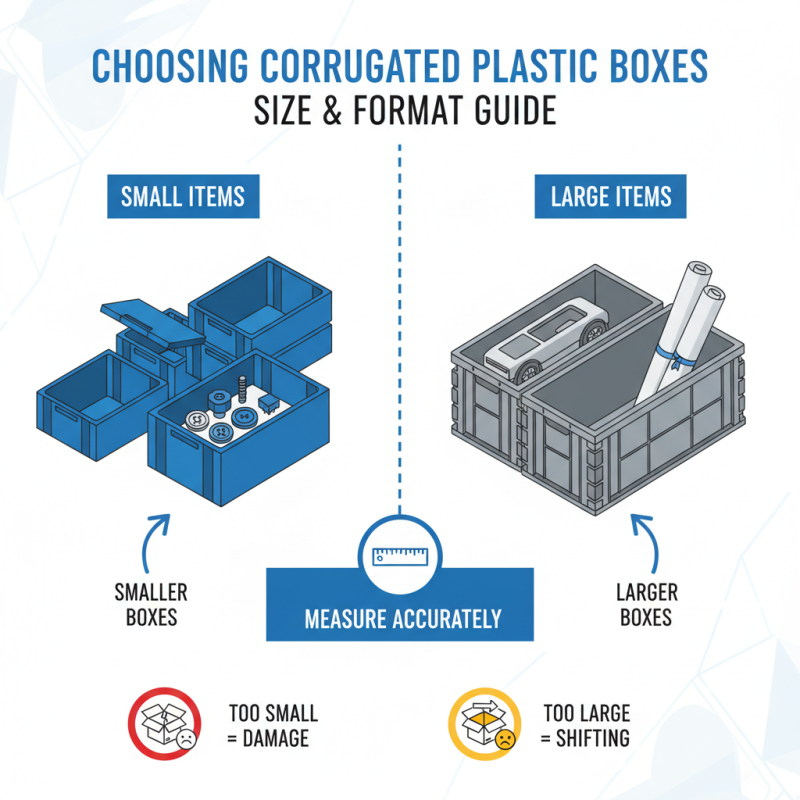
Choosing the right size and format for your corrugated plastic boxes can greatly impact their effectiveness. Consider the items you plan to store or transport. If you are dealing with small items, smaller boxes may suffice. For larger products, opt for bigger containers. It's essential to measure your items accurately. A box that is too small can lead to damage. Conversely, an oversized box may allow items to shift during transit.
The format of the box also matters. If you need easy access, boxes with flip-top lids can be beneficial. For stacking and storage efficiency, choose boxes with uniform dimensions. Visualizing your storage area is vital. This can help you determine how many boxes you need. Remember that practicality should always guide your decision-making process.
Adjusting to different sizes and formats can be challenging. You might find that certain configurations work better in specific situations. Trial and error can be part of the learning process. Look for ways to optimize your storage solutions over time. It’s also important to consider the long-term usage of these boxes, adjusting sizes as your needs evolve.
Effective Packing Techniques for Corrugated Plastic Boxes
Packing your items in corrugated plastic boxes can significantly improve your shipping and storage processes. These boxes are lightweight, durable, and water-resistant. When packing, ensure you choose the right box size. An ill-fitting box can lead to damage during transit. When you use a box that is too large, items can shift and break. However, using a box that is too small can crush items. Always measure your items before selecting a box.
Another tip for effective packing is to use protective fillers. Bubble wrap, packing peanuts, and crumpled paper can prevent movement inside the box. It’s important to fill all gaps to minimize movement. Sometimes, items that seem secure can still shift unexpectedly. You should also consider the weight distribution. Place heavier items at the bottom of the box. This strategy prevents the box from toppling when stacked.
Lastly, don’t forget to label your boxes clearly. Clear labels can save time during unpacking. Take your time in organizing your boxes to avoid future confusion. Reflecting on past packing mistakes can also lead to improved packing techniques. Experimenting with different packing strategies may yield better results. Each effort counts in refining your approach for optimal outcomes.
10 Essential Tips for Using Corrugated Plastic Boxes Effectively
| Tip No. |
Packing Technique |
Description |
| 1 |
Choose the Right Size |
Select boxes that fit your items snugly to prevent movement during transit. |
| 2 |
Utilize Dividers |
Incorporate dividers to separate items and reduce the likelihood of damage. |
| 3 |
Label Clearly |
Use clear and specific labels to identify contents quickly and easily. |
| 4 |
Seal Properly |
Ensure all boxes are sealed securely with high-quality packing tape. |
| 5 |
Use Cushioning Materials |
Insert bubble wrap, foam, or packing peanuts to protect fragile items. |
| 6 |
Stack Strategically |
When stacking boxes, place heavier boxes at the bottom to maintain stability. |
| 7 |
Consider Weather Resistance |
Use corrugated plastic boxes that are weather-resistant for outdoor use. |
| 8 |
Reinforce Corners |
Add corner reinforcements if the items are particularly heavy or sharp-edged. |
| 9 |
Avoid Overloading |
Don’t exceed the weight limit of the boxes to prevent breakage or accidents. |
| 10 |
Inspect Before Use |
Check boxes for any damage or weakness before packing items. |
Labeling and Organizing for Better Accessibility
Labeling corrugated plastic boxes is essential for
efficient organization. Research shows that up to 75% of workers spend
time searching for items. This can lead to frustration and decreased productivity. Clear labels
can help mitigate this issue. Use bold fonts and
contrasting colors for better visibility. Each label should include necessary details like
contents, location, and handling instructions. This approach not only saves time but also minimizes errors in inventory management.
Moreover, implementing a consistent labeling system enhances accessibility. Studies have indicated that a systematic organization
can improve retrieval speed by up to 50%. Group items logically based on usage
frequency or type. Use smaller boxes for frequently accessed items and larger ones for bulk storage. This arrangement prevents
clutter and confusion. However, it's crucial to regularly update the labeling system as inventories change. Neglecting this can
lead to outdated or unclear labels. Regular audits can help ensure the system remains effective and user-friendly.
Cleaning and Maintaining Corrugated Plastic Boxes for Longevity
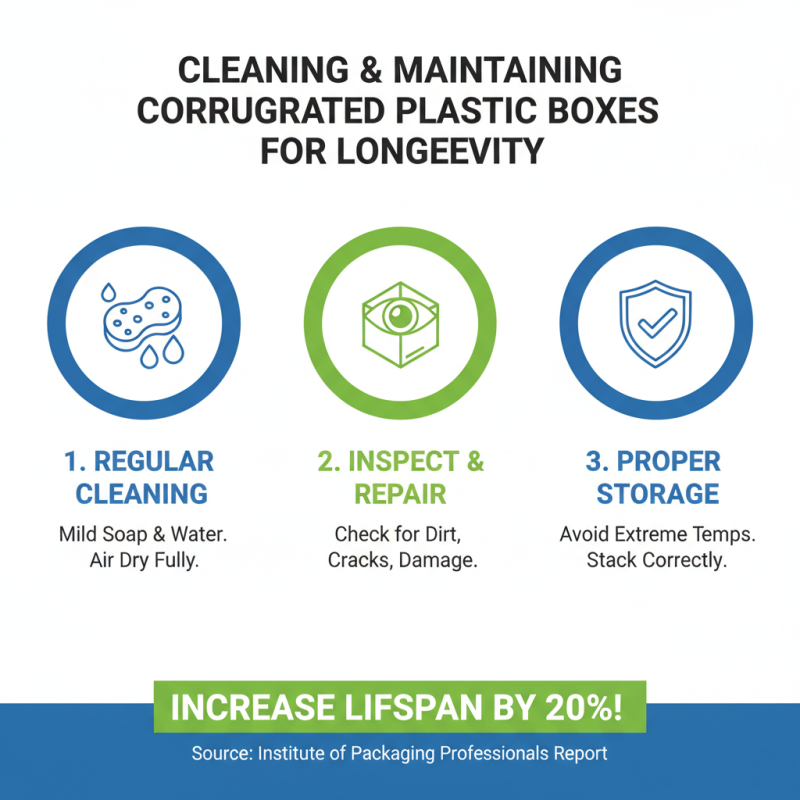
Cleaning and maintaining corrugated plastic boxes is crucial for their longevity. These boxes can last for years, but neglect can lead to deterioration. According to a report from the Institute of Packaging Professionals, proper upkeep increases lifespan by 20%. Regular inspection for dirt and damage should be standard practice.
Start with a basic cleaning routine. Use mild soap and warm water to wipe them down. Avoid harsh chemicals that may degrade the material. After cleaning, ensure they are completely dry before storage. Check seams and corners for any wear. If you spot signs of wear, address these issues immediately to prevent further damage.
Another essential tip is proper storage. Store boxes in a dry, cool location. Avoid places exposed to direct sunlight or extreme temperatures. Stack boxes neatly to prevent deformation. Remember, even small dents can impact functionality. By following these maintenance practices, you enhance the durability and efficiency of your corrugated plastic boxes. Regular care can save costs associated with replacements.