2026 How to Choose White Corrugated Plastic for Your Needs?
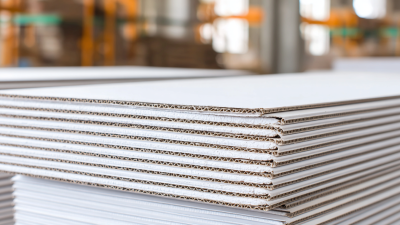
When selecting materials for a project, understanding the right options is essential. White Corrugated Plastic stands out for its versatility. This material is lightweight yet durable, making it a popular choice for various applications. Its weather-resistant properties also add to its appeal, ensuring longevity.
Choosing the right White Corrugated Plastic involves several considerations. Think about the thickness you need. Some projects may require a sturdier product, while others can work with lighter options. The surface finish is another aspect worth exploring. A glossy finish can enhance visual appeal, while a matte finish might suit practical applications better.
It's crucial to reflect on your specific needs. Determine if the plastic will be used indoors or outdoors. Also, consider how much wear and tear it will experience. These reflections can guide you to a choice that not only meets your immediate needs but also stands the test of time. In the ever-diverse world of materials, White Corrugated Plastic could be your perfect solution.
Understanding White Corrugated Plastic: Overview and Benefits
White corrugated plastic is a versatile material used in various applications. Its durability and lightweight nature make it ideal for signage, packaging, and construction. According to a report by Freedonia Group, demand for corrugated plastic products is projected to rise by 3% annually through 2026. Understanding its benefits can help you make an informed choice for your project.
This material is weather-resistant, meaning it can withstand rain and UV exposure. It does not warp or become brittle like other materials. Additionally, the recyclable nature of white corrugated plastic aligns with growing environmental concerns. A study from the Environmental Protection Agency indicates that plastic recycling rates have improved steadily, reaching over 9% in recent years. Consumers are increasingly looking for eco-friendly options that do not compromise on durability.
While white corrugated plastic presents many advantages, it’s essential to consider its limitations. Its appearance may not suit all aesthetic preferences. Some users report that it can be prone to scratching or denting. Evaluating specific needs and circumstances is crucial to ensure this material meets your expectations.
Key Factors to Consider When Choosing White Corrugated Plastic
When choosing white corrugated plastic, several key factors should be considered to ensure it meets your needs effectively. Firstly, evaluate the thickness of the material. Thicker sheets provide better durability and resistance to bending. However, this can make them heavier and less flexible for certain applications. Consider where and how you will use the plastic; a balance between weight and sturdiness is crucial.
Another important aspect is the surface quality. Smooth surfaces allow for better printing or painting results, enhancing visual appeal. If the project requires vivid colors or logos, a high-quality finish is essential. Reflect on how the material will withstand environmental factors, including sun exposure and moisture. Longevity in outdoor settings often demands stronger UV protection.
Tips for selecting the right product include checking the manufacturer's specifications for load-bearing capacity. Test samples whenever possible to gauge performance under actual conditions. Understand that sometimes, a cheaper option may not provide the durability needed for your project. Both cost and quality must be considered carefully. An informed choice saves time and money in the long run.
2026 White Corrugated Plastic Comparison Chart
This bar chart illustrates key features of white corrugated plastic options in the year 2026. The data points represent different aspects such as thickness, durability, UV resistance, weight, and cost, which are important factors to consider when choosing the right product for your needs.
Different Types of White Corrugated Plastic and Their Uses
When selecting white corrugated plastic for your projects, it’s essential to understand its different types and uses. There are lightweight options ideal for temporary signage. They are often used in retail promotions or event advertising. Their durability allows them to withstand various weather conditions, yet they are affordable.
There are also heavier-duty white corrugated plastics available. These are perfect for long-term outdoor applications, such as construction site signs. Their added thickness gives them superior resistance to bending and cracking. This ensures that they remain functional even in harsher environments. However, some may find these heavier options more challenging to handle.
Additionally, consider the printing compatibility of each type. Some white corrugated plastics accept colors and designs well, while others do not. It’s necessary to test how inks adhere to these surfaces. Reflecting on the appropriate type based on your needs can result in better outcomes. A wrong choice might lead to unexpected failures, so careful evaluation is key.
How to Assess Quality and Durability in White Corrugated Plastic
When choosing white corrugated plastic, assessing quality and durability is crucial. Start by examining the thickness of the material. Thicker sheets generally offer greater strength and longevity. A common thickness is around 4 mm, but ensure it meets your specific needs.
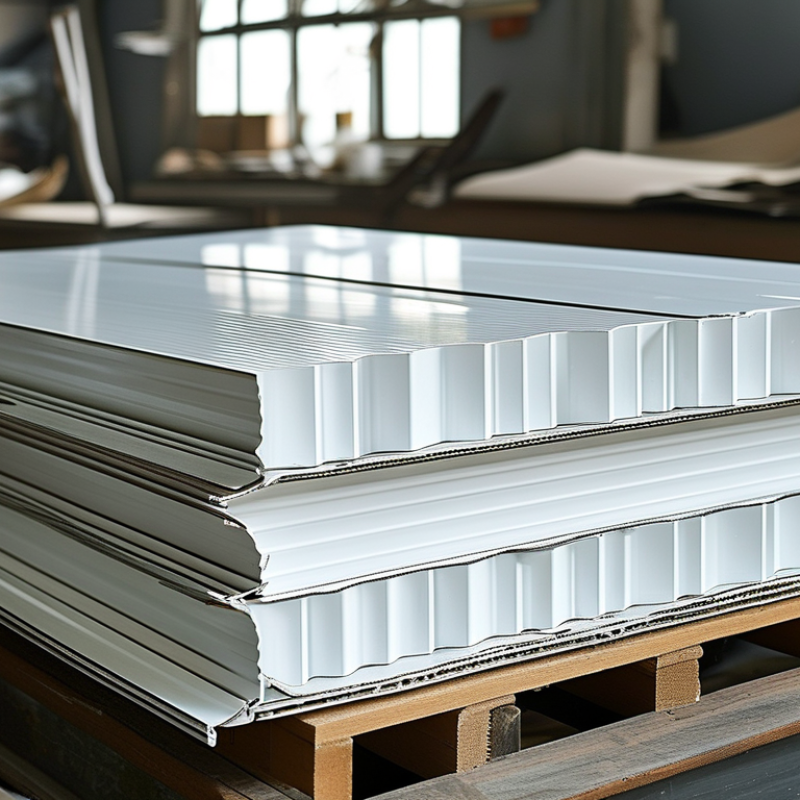
Look closely at the construction. High-quality corrugated plastic features well-defined flutes. This structure enhances durability and provides resistance to bending. Check for any visible defects or irregularities in the surface. These can indicate subpar manufacturing processes.
Another key factor is UV resistance. If the plastic will be outdoors, it should withstand sun exposure without fading. Samples can give you a better sense of its performance. Testing the flexibility is also important. A sturdy sheet should not easily bend or warp under pressure. Quality assurance processes in the production can significantly influence the product's longevity. Investing time in research can save future hassles.
Cost Considerations and Budgeting for Your White Corrugated Plastic Needs
When considering white corrugated plastic for your projects, budgeting is crucial. The cost of this versatile material can vary significantly based on thickness and size. According to industry reports, the average price for standard sheets ranges from $0.50 to $3.00 per square foot. Bulk purchasing often leads to discounts, allowing for more significant savings.
Inspect your specific needs before purchasing. Understand the applications you require, whether for signage, packaging, or craft projects. Each application may have unique specifications that impact pricing. Often, opting for custom sizes introduces additional costs, reflecting customization. While cheaper options exist, they may compromise durability and quality, prompting you to spend more in the long run.
Think about potential waste as well. Choosing the correct size helps avoid excess. A study found that about 30% of plastic materials go unused. Careful planning is essential to optimizing budget and minimizing waste. Review multiple suppliers as prices and quality can differ. Always verify the material's specifications and supplier reliability to ensure the best investment for your needs.