What is Pp Corrugated and Its Benefits for Packaging?
Pp Corrugated materials have transformed packaging in various industries. According to a report by Smith & Associates, the global Pp Corrugated market is expected to grow by 7% annually over the next five years. This growth is driven by the increasing demand for sustainable and lightweight packaging solutions.
Industry expert Dr. Emily Tran notes, "Pp Corrugated offers durability without compromising on environmental responsibility." Her insight highlights the critical benefits of this innovative material. Pp Corrugated’s ability to protect products while reducing waste is essential for modern packaging needs.
Despite these advantages, challenges remain. Some manufacturers struggle to transition from traditional packaging methods. Recognizing this gap is crucial for companies aiming to adopt Pp Corrugated solutions effectively. As businesses evaluate their packaging options, the long-term benefits of Pp Corrugated warrant serious consideration in today’s eco-conscious marketplace.
What is Pp Corrugated?
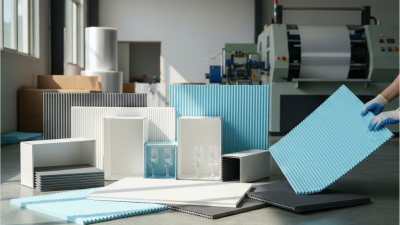
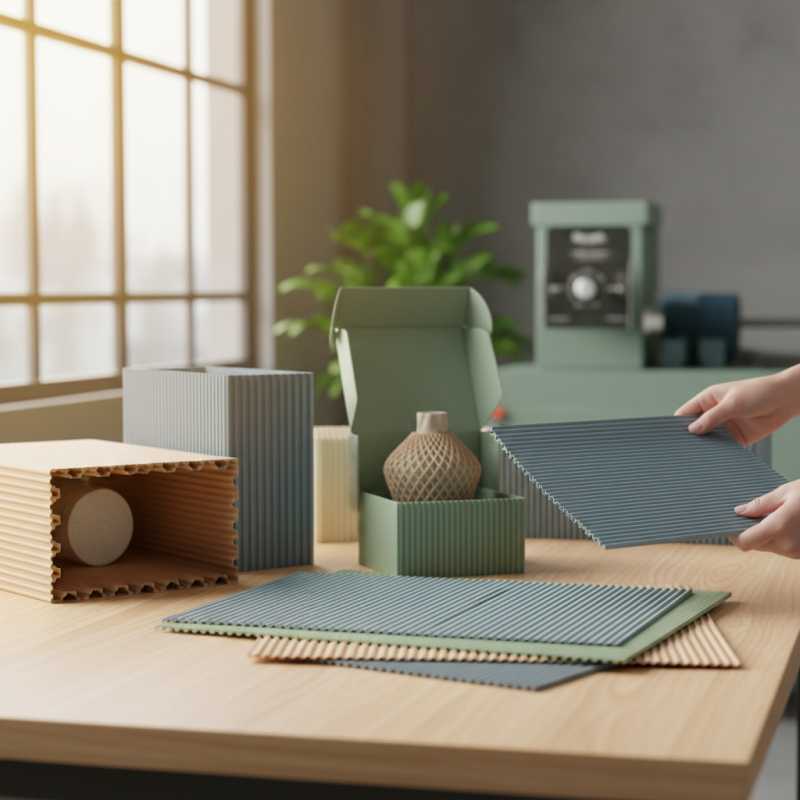
PP corrugated is a form of packaging material made from polypropylene. It features a lightweight and durable design. Polypropylene is a type of thermoplastic, known for its flexibility. This makes PP corrugated ideal for various packaging needs. It is commonly used in industries like food, electronics, and automotive.
According to industry reports, the demand for PP corrugated is on the rise. A recent study indicated that the global market for PP corrugated packaging is expected to grow by 4.5% annually. This growth reflects its versatility and efficiency. The material's resistance to moisture and chemicals adds to its appeal. Beyond that, its ability to be recycled provides an environmental advantage. However, not all manufacturers utilize sustainable practices. This raises questions about the long-term impact on our environment.
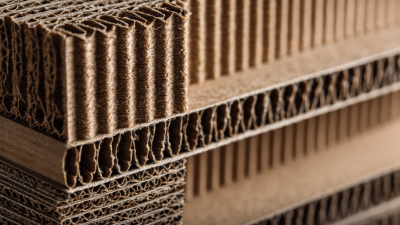
Structurally, PP corrugated offers excellent cushioning. Its fluted design provides strength and protection for fragile items. This is crucial for products that need to travel long distances safely. Yet, some may argue that it lacks the aesthetic qualities of other materials. Depending on the application, this might be a drawback. Finding the right balance between functionality and presentation can be challenging in packaging design.
Composition and Structure of Pp Corrugated Material
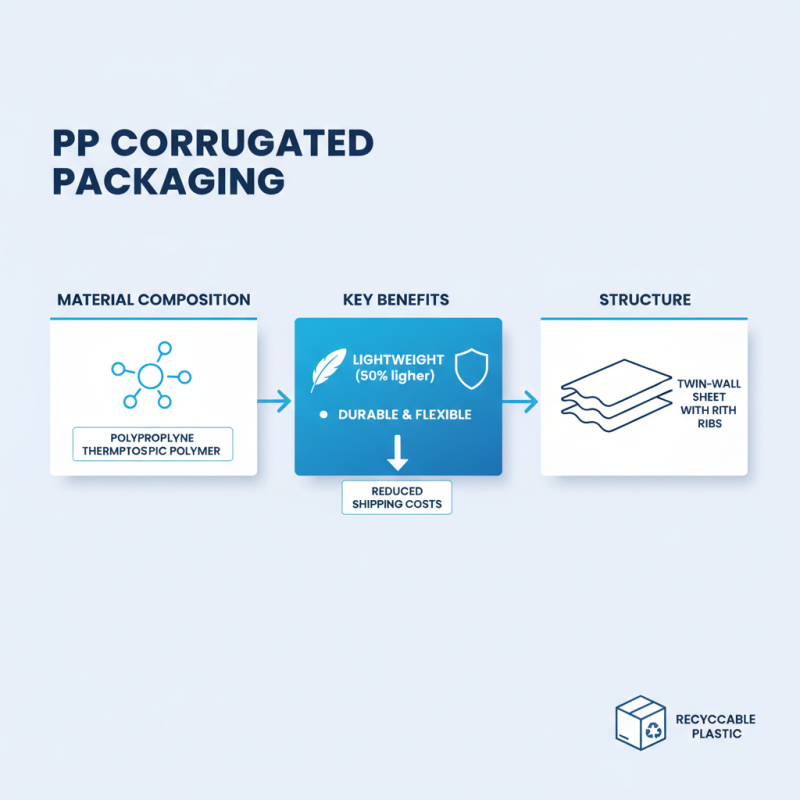
Pp corrugated material is a type of plastic used extensively in packaging. Its composition mainly includes polypropylene, a thermoplastic polymer. This material is known for being lightweight yet durable. In fact, pp corrugated sheets can be 50% lighter than traditional materials, which contributes to reduced shipping costs. The structure consists of two flat outer layers with a wavy inner structure, providing strength and flexibility.
Studies indicate that using pp corrugated material can reduce carbon footprint by up to 30%. This reduction is significant in a world increasingly focused on sustainability. Despite this, some manufacturers struggle with recycling, as not all recycling facilities accept pp corrugated. This inconsistency poses challenges for businesses aiming for eco-friendly practices.
Moreover, while pp corrugated excels in moisture and chemical resistance, it may not perform well in extreme temperatures. Research shows that prolonged exposure to high heat can compromise its integrity. Companies need to consider storage conditions carefully. Understanding these limitations can lead to better material choices in the long run.
Advantages of Pp Corrugated for Packaging Solutions
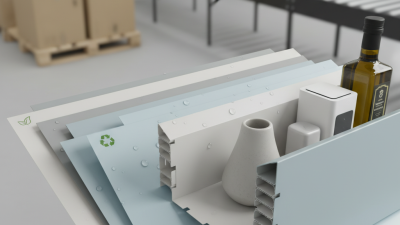
PP corrugated material has gained traction in the packaging industry due to its unique properties. It is lightweight yet sturdy and provides excellent protection for various products. This material is made from polypropylene, offering durability that standard cardboard often cannot match. It resists moisture and chemicals, making it suitable for challenging environments. Many businesses find this appealing, especially those needing reliable packaging solutions.
One of the standout advantages of PP corrugated is its versatility. It can be easily cut, shaped, and printed, allowing custom designs that enhance branding. Its flexibility means it can be used for various applications, from shipping boxes to display stands. Additionally, PP corrugated is recyclable, appealing to companies focusing on sustainability. However, some might wonder if the initial cost is worth it compared to traditional materials. It’s a point to consider, especially for smaller businesses.
Another key benefit is its strength-to-weight ratio. Since it is lighter, shipping costs can decrease, which is appealing for many. However, some users may still question whether it withstands heavy loads effectively. While PP corrugated can manage significant weight, testing its limits is essential. Overall, PP corrugated offers numerous advantages, but evaluating specific needs can lead to better decisions.
What is Pp Corrugated and Its Benefits for Packaging?
| Dimension |
Description |
Benefits |
| Material Composition |
Made from polypropylene, a durable plastic. |
High durability and flexibility compared to paper. |
| Weight |
Lightweight solution for packaging. |
Reduces shipping costs and enhances portability. |
| Moisture Resistance |
Resistant to water and humidity. |
Protects contents from damage due to moisture. |
| Recyclability |
Can be recycled efficiently. |
Environmentally friendly option. |
| Customization |
Available in various colors and dimensions. |
Allows branding and tailored packaging solutions. |
| Impact Resistance |
Can withstand impacts and rough handling. |
Protects products during transportation. |
Applications of Pp Corrugated in Various Industries
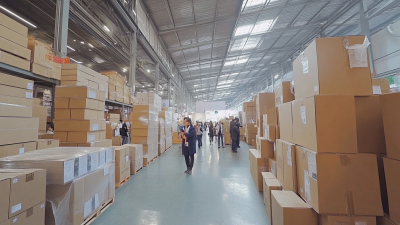
Pp corrugated material is gaining traction across various industries. Its lightweight design makes it excellent for reducing shipping costs. In fact, reports indicate that companies using pp corrugated packaging can save up to 30% on logistics expenses. This material is durable and resistant to moisture, making it suitable for food and electronics packaging.
The automotive industry is one significant user of pp corrugated. It is employed for parts protection during transit. The ability to customize sizes enhances efficiency. Researchers have found that using such materials can reduce breakage by nearly 20%. Similarly, the retail sector benefits from using pp corrugated boxes. They are easy to stack and store, helping retailers maximize space.
**Tips:** Always consider weight when selecting packaging. Lightweight options like pp corrugated can save costs. Also, ensure the material meets industry standards for safety to prevent complications.
Manufacturers must reflect on sustainability. Even though pp corrugated offers many benefits, we must consider its recyclability. Engaging in more eco-conscious practices is crucial.
Applications of PP Corrugated in Various Industries
Sustainability and Environmental Impact of Pp Corrugated
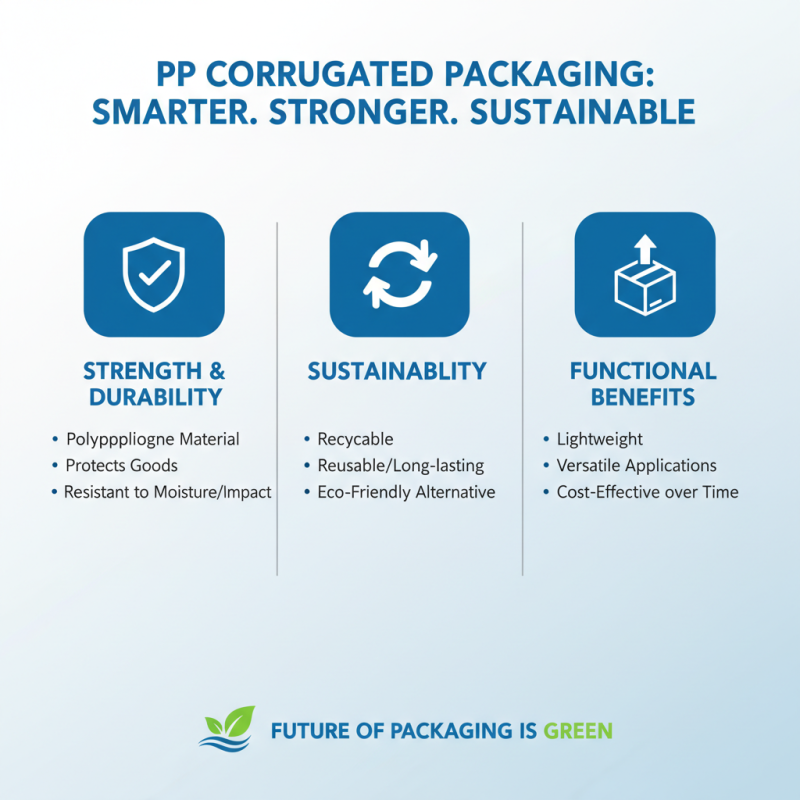
PP corrugated, made from polypropylene, is gaining attention in packaging. It offers strength and durability, crucial for protecting goods. Beyond its functional benefits, the sustainability aspect is becoming increasingly important. PP corrugated is recyclable and reusable, presenting a more eco-friendly alternative to traditional materials like cardboard.
Using PP corrugated can significantly reduce waste. Its lightweight nature contributes to lower transportation costs and emissions. However, challenges remain. The recycling process can be complicated, and not all facilities accept it. Public awareness about recycling is still lacking. More education is needed to encourage better disposal practices.
Environmental impact is a pressing concern. While PP corrugated helps lessen landfill waste, pollution from improper disposal persists. The production process also has its costs, requiring energy and resources. Companies must critically evaluate their footprint and make mindful decisions. Balancing efficiency with sustainability in packaging remains a journey for many industries.