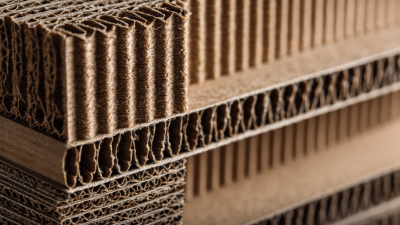
Ultimate Tips for Choosing the Right Pp Corrugated Bin for Your Needs
When it comes to efficient storage and transportation solutions, the choice of the right container is paramount. Among the various options available in today’s market, the Pp Corrugated Bin stands out due to its blend of durability, lightweight design, and versatility. As businesses and individuals alike seek to optimize their storage practices, understanding the specific features and benefits of these bins becomes essential.
This guide aims to provide you with ultimate tips for selecting the ideal Pp Corrugated Bin tailored to your needs. Whether you are looking for a solution for warehouse storage, shipping, or even retail display, knowing the key attributes to consider—such as size, strength, and stackability—can significantly enhance your operational efficiency. By making an informed choice, you can ensure that your items are securely stored while also contributing to sustainable practices through the use of recyclable materials. Dive into the essential factors that will guide you in picking the perfect Pp Corrugated Bin for your specific applications.

Factors to Consider When Selecting a PP Corrugated Bin
When it comes to selecting the right PP corrugated bin, several key factors should be considered to ensure that the bin meets your specific needs. First, evaluate the size and capacity requirements of your storage or transportation tasks. Consider the dimensions that will fit your available space and the quantity of items you intend to store. Proper sizing is crucial to optimize both functionality and accessibility, preventing wastage of space and maximizing efficiency.
Another important factor is the intended use of the bin. Depending on whether you need it for lightweight materials, heavy-duty applications, or specific environmental conditions, the design and strength of the corrugated material will vary. Look for features that enhance durability, such as reinforced corners or moisture resistance, which can be pivotal for certain products. Additionally, consider whether you require bins with lids for added security or those that are stackable for convenience and space-saving advantages. Taking these factors into account will aid in making a more informed decision tailored to your needs.
Ultimate Tips for Choosing the Right PP Corrugated Bin for Your Needs
| Factor |
Description |
Considerations |
| Size |
Choose a bin size that accommodates the volume of materials you plan to store. |
Measure available space and ensure there's room for handling. |
| Weight Capacity |
Consider the maximum weight the bin can hold to avoid damage. |
Verify if the bin can handle your specific loads. |
| Material Quality |
Higher quality PP material ensures durability and longevity. |
Look for UV protection and resistance to chemicals if needed. |
| Design and Structure |
Select a design that provides stability and ease of stacking. |
Evaluate the bin's structure for optimal space usage. |
| Customization Options |
Check for options to customize color and branding. |
Assess if custom bins might enhance your business visibility. |
| Price |
Determine your budget and find a bin that fits within it. |
Balance cost against durability and features offered. |
| Supplier Reputation |
Research potential suppliers for quality and service. |
Check reviews and testimonials for reliability. |
Understanding Different Types of PP Corrugated Bins
When selecting the right PP corrugated bin for your storage and transportation needs, understanding the various types available is crucial. There are primarily three types of PP corrugated bins:
single-wall,
double-wall, and
custom-designed bins.
Single-wall bins are lightweight and cost-effective, ideal for general storage and lightweight items. In contrast,
double-wall bins provide increased durability and structural integrity, making them suitable for heavier loads or environments where extra protection is needed.
Custom-designed bins can meet specific requirements, allowing businesses to optimize space and enhance operational efficiency.
Tips to keep in mind while selecting your PP corrugated bin include assessing the weight capacity and the type of materials you plan to store. According to industry data, approximately
70% of organizations report that improper storage solutions lead to increased operational costs. Therefore, ensuring your bin has adequate load-bearing capacity is essential.
Additionally, consider the bin’s dimensions and design features, like handles and stacking capabilities, which can significantly impact usability and transportation efficiency.
The right choice not only improves workflow but also reduces the risk of damage and waste in your supply chain.
Lastly, it is valuable to evaluate the sustainability aspects of your bin choice. Many manufacturers now offer
recycled materials in their corrugated bins, which not only lowers environmental impact but can also resonate well with increasingly eco-conscious consumers.
Incorporating sustainable practices can improve your brand image and may even lead to
tax benefits or incentives, as reported by various market research sources. This approach not only meets regulatory standards but can also be a selling point for your business in an environmentally aware marketplace.
Assessing Size and Capacity Requirements for Your Needs
When selecting the appropriate PP corrugated bin, it is crucial to thoroughly assess your
size and capacity requirements. The dimensions of the bin
should align with your specific storage, transportation, and display needs. For instance, according to a
recent industry report by the International Corrugated Packaging Association, proper sizing can
enhance storage efficiency by up to 30% in warehouse
environments. This significant figure emphasizes the importance of precise measurements; bins that are too
large can waste space, while those that are too small may lead to frequent repacking or inadequate storage.
Furthermore, understanding capacity is vital for optimizing your operations. It is essential to analyze
the weight and volume of the materials you plan to store or transport. Research indicates
that bins designed to hold heavier loads are often constructed with reinforced structures,
increasing durability and lifespan. A study from a leading
materials science journal noted that bins capable of supporting up to 500 kg can reduce the
risk of damage during handling processes, significantly lowering overall operational costs. By choosing
the right size and capacity, you not only ensure the safety
and integrity of the contents but also improve logistical efficiency in your workflow.
Evaluating Durability and Strength of Materials
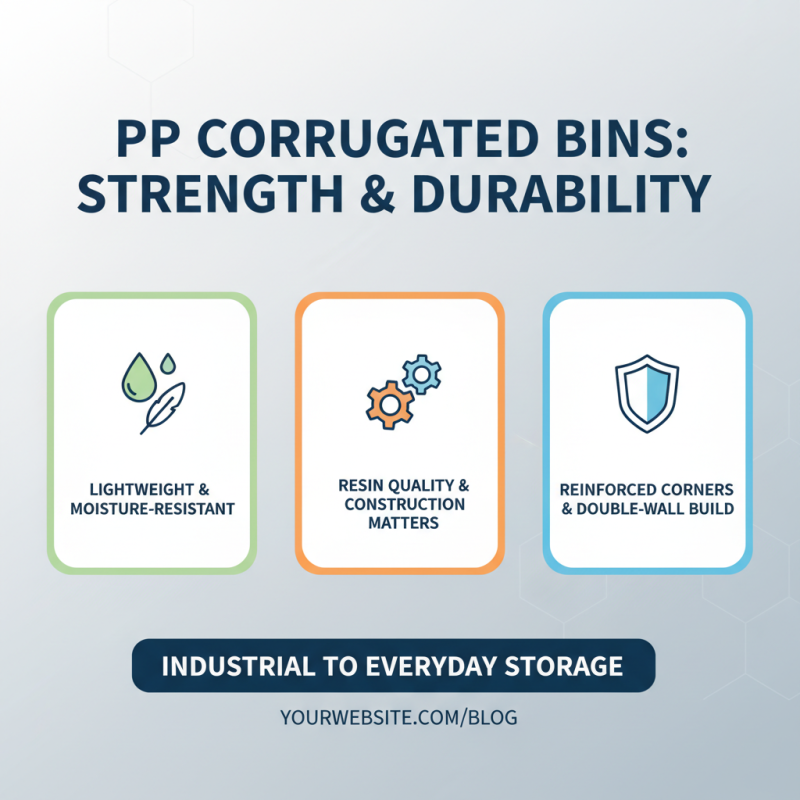
When selecting the right polypropylene (PP) corrugated bin for your needs, evaluating the durability and strength of materials is crucial. PP corrugated bins are known for their lightweight properties and resistance to moisture, but the quality of the resin and construction techniques used can significantly impact their strength. To ensure the bin can withstand the stresses of storage or transportation, look for bins that feature reinforced corners and double-wall constructions. These design elements enhance the overall durability, making them suitable for various applications, from industrial uses to everyday storage.
One important tip when choosing a PP corrugated bin is to consider the specific load requirements. Assessing how much weight the bin needs to support will guide you in selecting a product that not only meets but exceeds these demands. Always check the load rating provided by the manufacturer, as this can help you avoid potential failures under heavy use. Additionally, consider the environmental conditions where the bin will be used; factors such as extreme temperatures or exposure to chemicals may influence the material's performance and longevity.
Lastly, evaluate the bin's resistance to impacts and punctures. Durability isn't just about the ability to hold weight; it also involves the capacity to resist damage from external forces. Test samples when possible, or inquire about performance testing data to ensure that the bin will perform reliably under your specific operational circumstances. By focusing on these attributes, you can make a well-informed decision that meets your storage needs effectively.
Budgeting: Cost-Effective Options for PP Corrugated Bins
When considering your options for PP corrugated bins, budgeting plays a crucial role in making the right choice. These bins are often preferred for their durability, versatility, and lightweight nature, but prices can vary significantly based on size, quality, and design features. Establishing a clear budget helps narrow down choices and ensures that you select bins that fit both your functional needs and financial constraints. It’s wise to compare prices across different suppliers and evaluate what materials and construction methods deliver the best value without compromising on quality.
Cost-effective options often include larger bulk purchases, which can provide savings per unit. Additionally, look for standard-sized bins that often cost less than customized versions. Consider also if you really need specialized features; basic designs might meet your requirements just as effectively. Opting for simpler models can free up resources for other essential projects. Thoroughly researching quotes and understanding the production processes can lead to better pricing while ensuring you receive the quality necessary for your specific applications.
Budgeting for PP Corrugated Bins: Cost-Effective Options