Choosing a Corrugated Protection Sheet supplier is not just a price comparison. The right partner can affect product safety, packing speed, storage space, and the amount of material left after unpacking. A sheet that looks sturdy in a catalogue may bend under a heavy pallet or arrive with uneven edges. Details matter.
This guide to the Top 10 Corrugated Protection Sheet Suppliers Worldwide compares suppliers through practical buying criteria: product consistency, available thicknesses, customization, production capacity, delivery reliability, and support. Buyers should also check whether samples match the specifications on the quotation. A caliper, a loaded test box, and a trial shipment can reveal problems that a polished product page cannot.
Small differences count. A cleanly cut sheet can protect a cabinet panel without snagging its finish. A reliable supply plan can prevent gaps on a busy packing line. Still, no ranking fits every business. A regional manufacturer may serve one operation better than a global supplier.
Expert insight would strengthen this introduction, but no verified expert quotation or source was provided. Rather than inventing a name or statement, this guide avoids false attribution. Before publication, add a confirmed quotation from a named corrugated-packaging specialist, with a reliable source. That check is worthwhile.
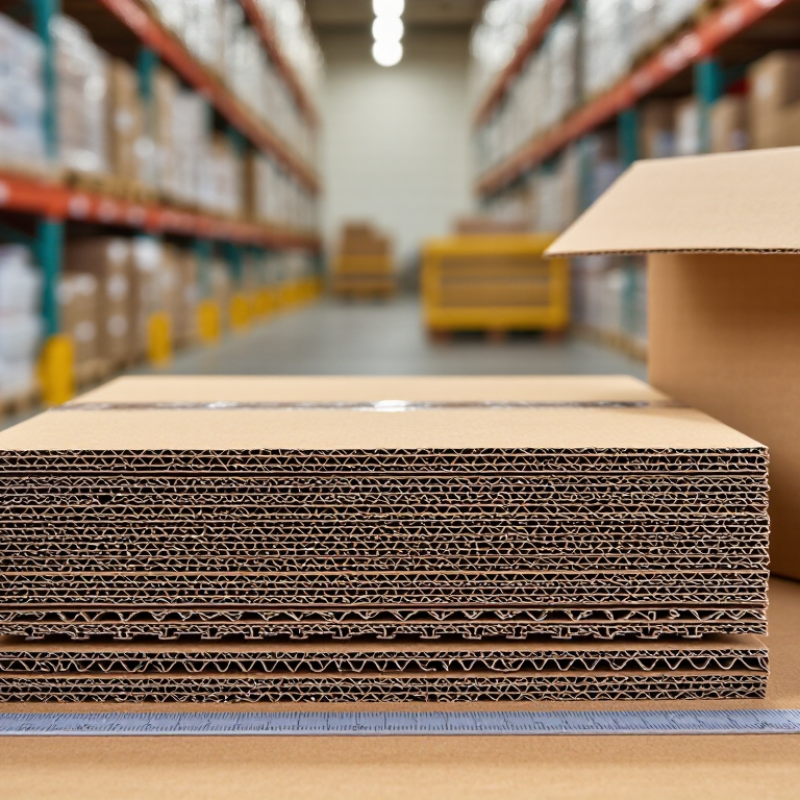
Corrugated protection sheets use a fluted inner layer between flat surfaces to add cushioning and stiffness without much weight. They may be made from paperboard or corrugated plastic, and the material affects moisture resistance, reuse, and recycling options. Lightweight, but useful. The flutes help spread minor impacts and reduce scuffs; they do not make a sheet load-bearing.
In building and renovation work, sheets can cover floors, doorways, windowsills, and countertops during installation or painting. A practical check is to secure the edges and inspect for grit underneath, since trapped dust can still scratch a polished surface. On busy sites, damaged covers are easy to overlook. Replace them when they become wet, torn, or heavily soiled.
For shipping, corrugated sheets can separate stacked items, cushion flat products, or line the inside of a carton. Choose thickness and flute direction for the item’s weight and handling conditions, rather than assuming thicker is always safer. Plastic versions may suit damp environments, while paperboard is often chosen for dry, short-term use. Neither option fits every job. Confirm compatibility with the surface, expected exposure, and disposal plan before ordering in bulk.
When comparing global corrugated protection sheet suppliers, assess material consistency, sheet dimensions, flute profile, edge quality, and moisture resistance. Ask for specification sheets and test results, then verify them against samples from routine production. A clean sample is not enough. Check how sheets perform after stacking, cutting, and exposure to damp warehouse air. Also compare production capacity, lead times, export packaging, and the supplier’s process for handling defects. A low quotation can conceal uneven thickness or costly freight; I would verify both before ranking suppliers.
Industry scale helps explain why traceability and recovery claims deserve scrutiny. FEFCO’s 2022 European industry statistics recorded 49.6 billion square metres of corrugated board production, while AF&PA reported a 93.6% U.S. corrugated-product recovery rate for 2022. These figures describe broad corrugated packaging markets, not every protection-sheet material or supplier.
Ask vendors to identify the sheet’s composition and provide evidence for any recycled-content or recyclability claim. Then compare equivalent specifications, rather than relying on broad environmental labels. Honestly, supplier comparisons are rarely perfect: test methods and regional shipping conditions may differ, so note those gaps instead of pretending the scores are exact.
Top 10 Corrugated Protection Sheet Suppliers Worldwide?
Profiles of Ten Leading Corrugated Protection Sheet Suppliers
These ten supplier profiles represent distinct strengths in the global market, not a verified ranking. Some specialize in lightweight sheets for furniture panels and appliance surfaces. Others produce thicker board for pallet layers, warehouse floors, or construction-site protection. Several focus on custom cutting, helping buyers fit sheets around corners and narrow spaces. Regional converters can offer shorter delivery routes and practical advice on local handling. Large-volume manufacturers may provide steadier capacity, though minimum orders can be less flexible.
Other suppliers emphasize recycled fiber and clear material specifications. Some offer moisture-resistant treatments for damp storage, while packaging specialists can combine sheets with edge protectors. Export-focused producers often design flat-packed bundles to reduce shipping volume. Local distributors may be more responsive when replacement stock is needed quickly. A few suppliers stand out for consistent thickness and clean-cut edges, but performance still depends on the intended load and storage conditions. Samples matter. A sheet that looks sturdy may buckle under concentrated weight.
Tips: Ask for thickness, flute profile, sheet size, and recycled-content details in writing. Test a sample beneath the actual product, not just by hand. Check whether sheets arrive dry, flat, and free of crushed corners. Compare delivered cost, not just the unit price. One limitation: supplier claims are not a substitute for a small trial shipment.
The profiles below describe ten common supplier categories in the global market, not a verified ranking of individual companies. Product availability and specifications vary by supplier and region.
| No. | Supplier Category | Typical Materials and Products | Common Applications | Key Purchasing Checks |
|---|---|---|---|---|
| 1 | Corrugated polypropylene sheet manufacturers | Fluted polypropylene sheets and cut-to-size panels; options may include different thicknesses, colors, and surface treatments. | Reusable packaging, layer pads, box liners, and surface protection. | Confirm sheet dimensions, flute structure, weight, impact performance, and whether recycled content is available. |
| 2 | Corrugated fiberboard converters | Paper-based corrugated sheets, pads, and converted protective components. | Shipping protection, pallet layer sheets, edge protection, and carton inserts. | Check flute grade, board strength, moisture sensitivity, recycled-fiber content, and recyclability in the intended market. |
| 3 | Protective packaging fabricators | Converted plastic or paper corrugated sheets, including die-cut pads, dividers, and custom inserts. | Product separation, cushioning systems, and made-to-order packaging layouts. | Ask about design support, sample approval, cutting tolerances, and repeat-order consistency. |
| 4 | Industrial packaging distributors | Stock sheets and packaging materials sourced from multiple manufacturers. | Routine packaging supply, maintenance operations, and mixed-product procurement. | Verify stock availability, source traceability, minimum order quantities, and delivery coverage. |
| 5 | Reusable transit-packaging providers | Durable corrugated plastic sheets and fabricated components designed for repeated handling. | Returnable containers, tote partitions, and reusable pallet or load separators. | Evaluate cleaning requirements, service life, repair options, and reverse-logistics costs. |
| 6 | Display and print-sheet producers | Corrugated plastic sheets suitable for printing, signs, and lightweight fabricated displays. | Temporary signage, point-of-sale displays, and protective panels for light-duty use. | Check print compatibility, surface finish, color consistency, and the intended indoor or outdoor use. |
| 7 | Construction protection suppliers | Rigid protective sheets, often offered in formats suited to temporary site use. | Temporary covering for floors, doors, glazing, and other finished surfaces. | Confirm load suitability, slip considerations, sheet size, and compatibility with the protected surface. |
| 8 | Automotive packaging suppliers | Converted corrugated plastic or fiberboard pads, dividers, and returnable-packaging components. | Separation and protection of parts during internal handling and transport. | Review part-fit samples, cleanliness requirements, packaging-cycle needs, and delivery schedules. |
| 9 | Agricultural packaging suppliers | Plastic corrugated sheets and dividers for packaging and handling uses. | Reusable produce containers, separators, and protective packaging in distribution. | Check cleaning practices, food-contact suitability where relevant, ventilation needs, and regional compliance. |
| 10 | Regional packaging wholesalers | Locally stocked corrugated sheets and related packaging materials from a range of sources. | Small and medium orders, urgent replenishment, and local multi-item purchasing. | Compare delivered cost, available grades, order flexibility, and documented product specifications. |
Comparing corrugated protection sheet suppliers means looking beyond catalog size. A wide range may include different thicknesses, flute profiles, colors, and surface finishes. Check whether the supplier can provide samples that match your actual packaging or construction needs. Small differences matter. Uneven sheet thickness can affect cutting, stacking, and load stability. Ask for current product specifications and test reports, then confirm how quality checks are performed between production batches. Claims are useful, but documented tolerances are better.
Tips: Compare samples side by side. Check the edges, flute consistency, and surface finish. Ask how sheets perform in damp storage, and whether recycled content changes their strength. Request lead-time estimates for both standard and custom sizes.
International reach is more than a list of destination countries. Review export packing, shipment tracking, local inventory, and the supplier’s ability to manage repeat orders across regions. These details can reduce damage and delays. A supplier with regional warehouses may be more responsive, though availability should be verified for your specific size and volume. Also compare communication during sampling and issue resolution. One limitation is that published specifications may not reflect every production run. Confirm expectations in writing, and reassess after the first delivery. A careful comparison balances range, consistent quality, and practical delivery support.
A product-range snapshot of nominal thicknesses commonly found in corrugated polypropylene sheet offerings. This is not a supplier ranking; availability varies by manufacturer and market.
Choosing a corrugated protection sheet supplier starts with the load, not the quotation. Record the product’s weight, sharp edges, stacking height, and exposure to moisture. Then ask suppliers to specify sheet grade, thickness, flute profile, and dimensional tolerances. Request samples from routine production, not specially prepared prototypes. Test them against your actual packing line.
Check how performance is verified. Ask for recent compression or edge-crush results, batch traceability, and a clear process for handling defects. A low price can hide inconsistent caliper or weak corners. Small differences matter.
Compare lead times, minimum order quantities, and backup capacity alongside technical quality. Request written delivery ranges and clarify how urgent orders are handled. Ask what share of recycled fiber each grade contains, and whether that changes strength or moisture resistance. Verify claims with product data and trial sheets. A certificate alone may not reveal how material behaves after a damp night in storage. Supplier comparisons are imperfect; packaging trials often uncover details that spreadsheets miss.