500-1
500-2
500-3

Industry News

Look forward to sincere cooperation with every customer!

Top 10 Corrugated Sign Board Manufacturers Worldwide

Corrugated Sign Board has moved beyond temporary retail signage. It now supports product launches, event graphics, wayfinding, and short-run promotional campaigns. Its appeal is practical: lightweight fluting, printable liners, quick assembly, and comparatively simple recycling.

Grand View Research estimates that the global corrugated boxes market reached approximately USD 205.74 billion in 2023. Its report projects continued growth through 2030, supported by e-commerce, retail expansion, and demand for efficient packaging. Boxes are not signs, of course. Still, the data reveals the scale of the corrugated material ecosystem behind modern display production. Smithers’ “The Future of Global Corrugated Packaging to 2029” also identifies digital printing, customization, and sustainability as important market forces.

Dennis Colley, former president and chief executive of the Fibre Box Association, describes corrugated packaging as “renewable, recyclable, and responsible.” That principle matters for sign buyers choosing boards for indoor campaigns, retail windows, or short-term exhibitions. A useful board must print cleanly, stand upright, resist handling, and remain affordable. It should not collapse beside a busy checkout counter.

This Top 10 Corrugated Sign Board Manufacturers Worldwide guide examines those details. It considers production capacity, print technology, board consistency, customization, delivery capability, and environmental reporting. Certifications and marketing claims also deserve verification. They are not interchangeable.

The ranking is not absolute. Regional service, substrate preferences, and project volume can change the best choice. Some manufacturers excel at vivid graphics. Others perform better with structural engineering or rapid prototyping. That difference is easy to miss. Real purchasing decisions require samples, specifications, and careful comparison.
Top 10 Corrugated Sign Board Manufacturers Worldwide

What Defines a Leading Corrugated Sign Board Manufacturer

What Defines a Leading Corrugated Sign Board Manufacturer

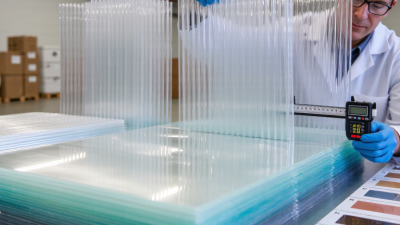
A leading corrugated sign board manufacturer delivers more than sharp printing. Boards should stay flat, cut cleanly, and hold color across repeat orders. Ask how the supplier controls flute thickness, liner weight, ink adhesion, and sheet-to-sheet variation. Small defects matter. A curled edge can lift from a display stand; uneven color can make a campaign look inconsistent. Smithers’ report The Future of Global Printing to 2027 estimated the worldwide print market at $818.4 billion in 2022 and projected $834.3 billion by 2027. These figures cover print overall, not corrugated signs specifically, but they show the scale of a competitive market.

Reliable manufacturers explain their process with measurable checks, not just broad quality claims. Look for documented proofs, color checks, batch traceability, and clear tolerances for board thickness and dimensions. Ask how samples perform under the lighting and handling conditions they will face. A supplier may offer fast production, yet rush can weaken inspection. I have seen specifications look strong on paper while a real sample reveals soft corners. That gap deserves attention.

Tips: Request a sample made to your actual size and artwork. Check edges, color, stiffness, and fit in its display holder. Ask for the test method and acceptance limits; vague answers are a warning sign.


Global Overview of the Top 10 Corrugated Sign Board Manufacturers

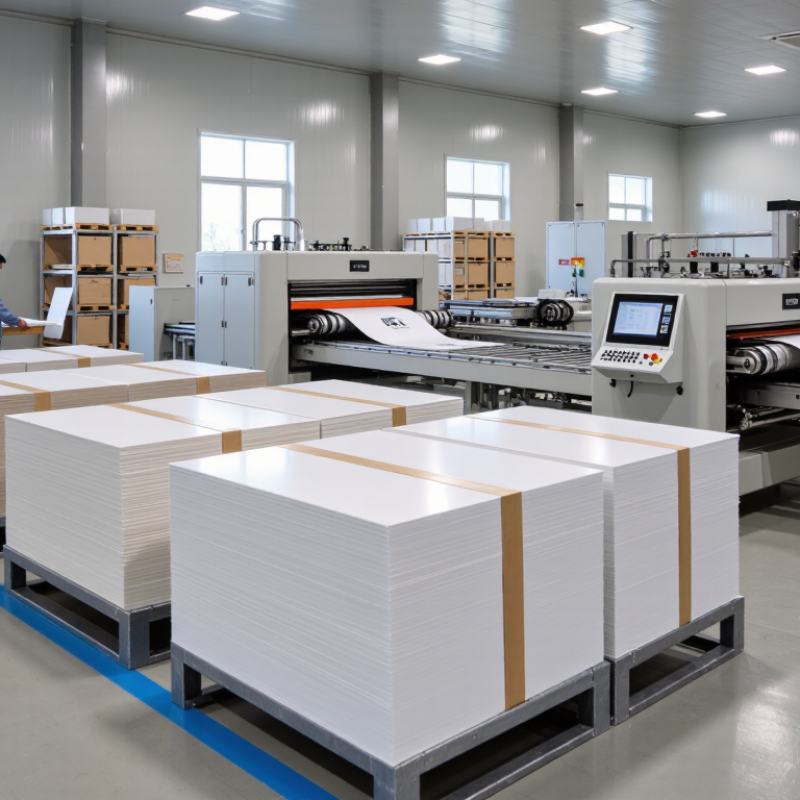
The global market for corrugated sign boards includes manufacturers serving retail, events, construction, and short-term outdoor campaigns. A useful overview of the top ten should consider more than production volume. Sheet consistency, print compatibility, cutting accuracy, and delivery reliability all shape a supplier’s value. Regional strengths vary. Some producers focus on fast, small-batch orders, while others handle large runs for national distribution. A ranking can mislead. Public information may not reveal factory capacity or quality-control practices, so comparisons should be treated as indicative rather than definitive.

Material choices affect performance in practical ways. A lightweight fluted sheet is easy to carry and install, but wind and moisture can shorten its useful life. Check whether board thickness stays even across a shipment, and inspect printed samples for crisp edges and consistent color. Small details matter. Ask about recycled content, available flute profiles, finishing options, and protective coatings. For international orders, clarify packing methods and transit times; crushed corners can undermine an otherwise well-made sign. These checks help buyers compare manufacturers on evidence, not polished sales claims, while leaving room for a supplier’s actual results to challenge expectations.

Manufacturing Capabilities, Materials, and Product Ranges

Regional Reach, Industry Applications, and Customization Services

Regional reach means more than shipping signs across borders. It includes access to suitable sheet sizes, reliable print capacity, and practical delivery timelines. Local climate matters, too. Heat, rain, and strong sunlight can affect how a corrugated sign performs outdoors. Manufacturers serving multiple regions may offer different material grades or printing options to match these conditions. Buyers should confirm specifications rather than assume that one board works everywhere.

Industry applications shape the details. Retail teams often need bright, lightweight displays that are easy to move. Construction sites may require sturdy, clearly printed signs with fixing holes placed to fit temporary barriers. Event organizers often value quick turnaround and custom shapes. Small choices matter. Flute direction, thickness, ink coverage, and cutout placement can change a board’s strength and appearance. Requesting a physical sample can reveal issues that a digital proof misses.

Customization is most useful when it solves a real handling or visibility problem. Ask manufacturers about size tolerances, packaging, and whether outdoor use is suitable for the intended duration. A polished mock-up can still disappoint when the board bends or colors shift under sunlight. That is worth considering. Not every extra finish is necessary, and the best specification may involve a compromise between cost, durability, and visual impact.

How to Compare and Select the Right Manufacturer

When comparing corrugated sign board manufacturers, start with the job conditions, not catalogue photos. A board displayed indoors for a week has different needs from one exposed to rain, wind, and repeated handling. Ask each supplier to state board thickness, flute profile, liner weight, print method, and recommended use in writing. Compare matching specifications; a lower quote may simply describe a lighter board. Request a printed sample and inspect cut edges, color consistency, surface scuffing, and ink adhesion after gentle rubbing. Small checks reveal a lot.

Production reliability deserves equal attention. Ask how the factory checks incoming paper, print registration, trimming, and packed quantities, and whether it can share recent inspection records. Confirm minimum order quantities, proof approval steps, packaging, replacement terms, and realistic production and shipping windows before ordering. For outdoor use, request evidence supporting weather-related claims rather than relying on an estimate. A polished sample can still hide uneven batches, so checking a production run may help when consistency is critical. That extra step takes time, and it may be more than a small project needs.

FAQS

What should buyers compare when choosing a corrugated sign board manufacturer?

Compare sheet consistency, print quality, cutting accuracy, delivery reliability, and production capacity. Rankings are only indicative. Public data can be incomplete.

Which materials are commonly used for corrugated sign boards?

Manufacturers may use fluted polypropylene or corrugated paperboard. Polypropylene handles lightweight outdoor displays better. Paperboard may suit short-term indoor use.

How does board thickness affect sign performance?

Thicker sheets usually provide greater stiffness. However, weight and cost may increase. Check thickness across several sheets, not just one sample.

Which printing process suits short production runs?

Digital printing often suits short runs and changing artwork. Screen printing may work well for repeated designs. Flexographic printing can support larger quantities.

How can buyers check print quality before ordering?

Request a physical sample. Inspect sharp edges, color consistency, and ink adhesion. A digital proof may hide problems. Samples tell more.

Are corrugated sign boards suitable for outdoor use?

Some are, but conditions matter. Sunlight, rain, heat, and wind can reduce service life. Ask about UV exposure, moisture resistance, and expected duration.

What details matter when ordering custom-shaped signs?

Confirm size tolerances, flute direction, cutout placement, and fixing holes. These details affect strength and installation. A beautiful shape may still bend.

How should international buyers reduce shipping damage?

Ask about packaging methods, corner protection, sheet stacking, and transit times. Crushed corners can ruin a good sign. Delivery promises may still disappoint.

Does regional shipping guarantee suitable product performance?

No. Climate and local handling conditions differ widely. Confirm material grades, print options, and delivery timelines for the destination.

What recycling questions should buyers ask?

Ask about recycled content, inks, additives, and local recycling options. Disposal rules vary. A recyclable sheet may not be accepted everywhere.

Conclusion

This overview explores what distinguishes a leading Corrugated Sign Board manufacturer, from consistent print quality and dependable production capacity to thoughtful material selection and responsive customer support. It surveys the worldwide manufacturing landscape and compares the capabilities of ten types of suppliers, including their product ranges, finishing options, and ability to handle different order sizes. Rather than focusing on names, the summary highlights the qualities buyers can use to assess manufacturers across regions.

It also considers how Corrugated Sign Board products serve retail, events, promotions, and other communication needs, while explaining the role of customization, delivery reach, and regional service. To choose the right partner, buyers should compare durability, print requirements, production timelines, customization flexibility, and overall value. Matching these factors to the intended application and project requirements can help ensure a practical, reliable result.