Top Tips for Choosing Pp Corrugated Sheet Materials?
Choosing the right materials for your projects can be daunting. Pp Corrugated Sheet is a popular choice due to its versatility and durability. This material is lightweight, making it easy to handle and transport. It offers good resistance to moisture and chemicals, adding to its appeal for various applications.
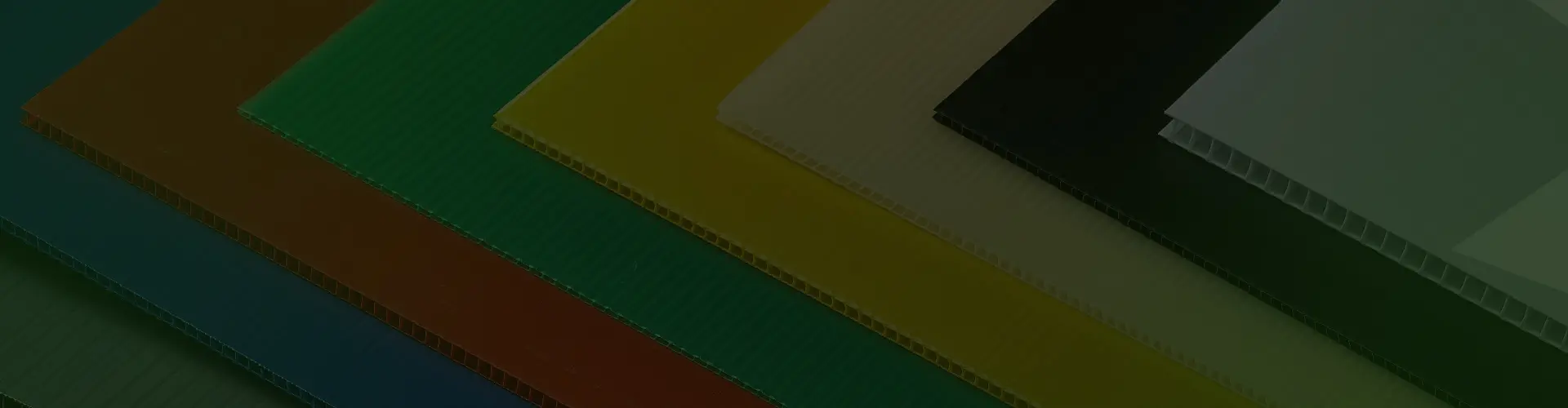
When selecting Pp Corrugated Sheet, consider factors like thickness and color. Thicker sheets provide better strength but can be heavier. The color may affect the sheet’s visibility and aesthetic appeal. Ensure that the chosen option aligns with your specific needs.
It’s also essential to evaluate suppliers. Look for reputable manufacturers that adhere to industry standards. Quality matters, and choosing the wrong supplier can lead to unforeseen issues. Explore reviews and seek expert advice to make informed decisions. Reflecting on your choices can guide you to better outcomes in your projects.
Understanding PP Corrugated Sheets and Their Applications
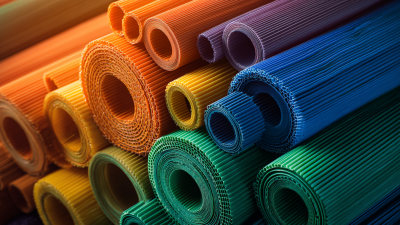
PP corrugated sheets are versatile and lightweight materials made from polypropylene. This plastic is known for its durability and resistance to moisture. These sheets are often used for packaging, signage, and construction. Their structural integrity makes them a solid choice for various applications, including temporary walls and protective covers. Many industries benefit from these sheets due to their cost-effectiveness and recyclability.
In terms of applications, PP corrugated sheets serve multiple purposes. They can be shaped to form crates or containers for transporting goods. In advertising, printed graphics on these sheets are eye-catching and weather-resistant. An interesting aspect is their usage in exhibitions and trade shows. Designers often opt for these sheets for creating displays, as they are easy to handle and transport. However, one must consider the environmental impact, as not all plastic products are recycled effectively.
While the benefits are clear, the decision-making process can be complicated. It's essential to evaluate factors such as thickness and color. Not all sheets handle UV exposure well. For outdoor applications, selecting the right variant is crucial. Consider consulting with experts in material properties to ensure you choose wisely.
Key Factors to Consider When Selecting PP Corrugated Sheet Materials
When selecting PP corrugated sheet materials, several key factors must be considered. The thickness of the sheets plays a crucial role in their durability and strength. Typically, sheets range from 2mm to 10mm in thickness. Choosing the right gauge affects how well the material withstands physical stress. A report from the Plastics Industry Association highlighted that thicker sheets tend to have a higher tensile strength, making them ideal for heavy-duty applications.
Another important factor is the color choice. Different colors can impact the sheet's UV resistance and heat absorption. For instance, darker shades often absorb more heat, which might affect the longevity of the material. Custom colors might be necessary for branding but can also come at a premium cost. Consider the environmental factors where the sheets will be used.
Tips for selecting the best PP corrugated sheets include examining the manufacturer's specifications closely. Assess whether the sheets meet industry standards for safety and performance. Next, ensure that the sheets have a proper certification for your intended use. Always consider the logistical aspects as well, such as shipping costs and handling requirements. A study by the Flexible Packaging Association showed that proper handling can extend the life of these materials, thus saving costs in the long run.
Evaluating Thickness and Durability for Your Project Needs
When evaluating thickness and durability in PP corrugated sheet materials, consider your specific project needs. The thickness of these sheets significantly affects their strength and performance. Typically, sheets range from 2mm to 12mm. Thicker options provide better impact resistance and support. For example, a 5mm sheet might resist bending under weight, while a 2mm sheet can be more flexible but lacks rigidity.
It's essential to look at durability metrics. A study by the International Journal of Advanced Manufacturing Technology notes that thicker sheets can withstand high stress and remain intact over time. This durability is crucial for outdoor applications where UV exposure may be a concern. Regular exposure can degrade material over time, impacting longevity. Striking a balance between flexibility and durability must be a key part of your decision-making process.
Consider your specific application requirements too. An application that requires frequent movement may benefit from lighter sheets. Conversely, storage solutions may demand the sturdiness that thicker sheets provide. Remember, analyzing the material's overall wear and tear in your specific environment can guide your choice effectively. Assessing these characteristics helps ensure that you select the appropriate PP corrugated sheet for your project.
Comparing Cost and Performance of Different PP Corrugated Options
When choosing PP corrugated sheet materials, one must weigh both cost and performance. Different types of PP sheets vary significantly in their properties. Some are lightweight and cost-effective, making them ideal for temporary applications. However, they might lack durability. Others, while pricier, offer higher strength and resistance to environmental factors. Consider how you plan to use the material. How long does it need to last?
The thickness of the sheet can also impact performance. Thicker sheets generally provide better stability but at an increased cost. Balancing your budget with your performance needs is essential. For instance, lightweight sheets might save money upfront but could require more frequent replacements. There's a trade-off to consider. Careful evaluation of specifications can guide you toward the right choice for your project.
It’s vital to analyze supplier claims critically. Not all options are equal, and some may not perform as promised. Gathering data on real-world usage and feedback can be beneficial. Reach out to industry professionals for insights on their experiences. This way, you can make a more informed decision.
Top Tips for Choosing PP Corrugated Sheet Materials
| Material Type |
Cost per Sq. Ft. |
Weight (lbs/Sq. Ft.) |
Flexural Strength (MPa) |
Water Resistance |
UV Resistance |
Typical Use Cases |
| Standard PP Sheet |
$0.50 |
0.25 |
30 |
Yes |
Low |
Packaging, Temporary Signs |
| Reinforced PP Sheet |
$0.75 |
0.30 |
50 |
Yes |
Moderate |
Outdoor Signs, Displays |
| Coated PP Sheet |
$1.00 |
0.28 |
45 |
Yes |
High |
High-End Packaging, Custom Signs |
| Eco-Friendly PP Sheet |
$0.85 |
0.22 |
35 |
Yes |
Moderate |
Sustainable Packaging, Organizing Materials |
Sourcing Quality Suppliers for PP Corrugated Sheets and Accessories
When sourcing quality suppliers for PP corrugated sheets, it's essential to emphasize reliability and experience. A recent industry report found that over 70% of manufacturers prioritize partnerships with suppliers who demonstrate proven track records in material quality. This trend underlines the importance of selecting suppliers who understand the specific needs of your applications.
Consider evaluating potential suppliers by requesting sample sheets. This practice allows you to assess the materials' robustness and thickness. Additionally, check for certifications that indicate compliance with industry standards. Quality control measures should be transparent and verifiable. A reliable supplier will gladly share their quality assurance processes.
Another valuable tip is to read customer reviews and testimonials. These provide insights into the supplier's service and product performance. Many companies report improved operational efficiency after switching to suppliers with higher ratings. Analyze their production capabilities and ask about lead times. Transparency in these areas fosters trust and signals a dependable partnership. Choosing the right supplier lays the groundwork for successful projects, reducing the risks associated with poor material quality.