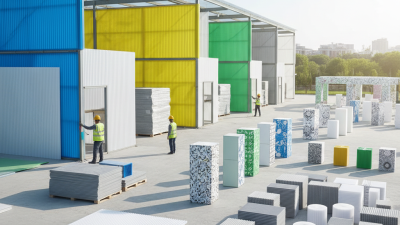
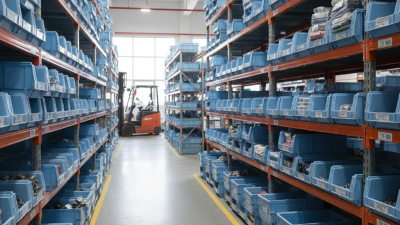
The increasing demand for sustainable packaging solutions has made "Pp Hollow Corrugated Sheet" a popular choice among manufacturers. According to a report by Smith & Associates, the market for hollow corrugated sheet products is expected to grow by over 15% by 2026. This growth reflects the industry's shift toward eco-friendly materials. As sustainability becomes a priority, businesses are rethinking their packaging options.
Industry expert Dr. Emily Zhao stated, "Pp Hollow Corrugated Sheets provide versatility and strength, making them ideal for various packaging needs." These sheets are lightweight yet durable, offering excellent protection for products during transit. However, many companies still overlook the potential benefits of using these sheets effectively. Proper understanding and implementation can result in significant cost savings and reduced waste.
The challenge lies in ensuring that operations adapt to this innovative packaging method. While some companies are making strides, others fall behind. It is crucial to analyze the best practices for utilizing Pp Hollow Corrugated Sheets to maximize efficiency. Each packaging decision plays a vital role in both environmental impact and operational cost. It invites businesses to reflect on their current strategies and consider how minor adjustments can lead to substantial improvements.
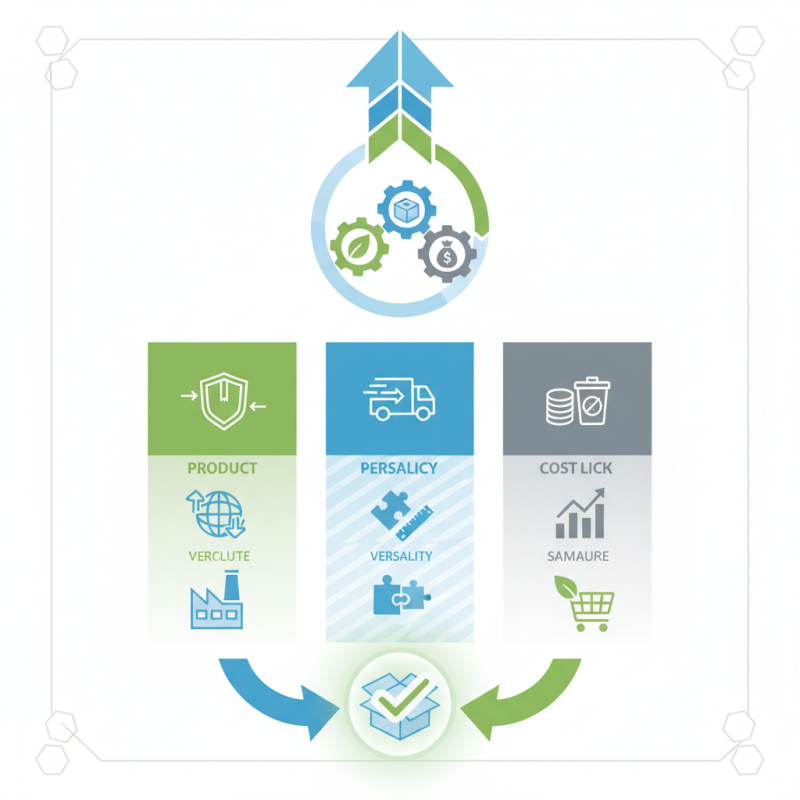
PP hollow corrugated sheets are revolutionizing packaging solutions. They offer lightweight yet robust protection for various products. Many businesses are turning to these sheets due to their durability and versatility. Their structure enables excellent cushioning and impact resistance, which is crucial for shipping fragile items.
Using PP hollow corrugated sheets is beneficial in many ways. They are waterproof and resistant to chemicals, making them suitable for different environments. Additionally, they are recyclable, which promotes sustainability in packaging practices. Companies can significantly reduce waste by utilizing these eco-friendly materials.
However, some challenges must be addressed. The production and design of these sheets require careful consideration to ensure optimal performance. Quality control is essential to avoid issues such as warping or improper sizing. Finding the right supplier can also be a task worth reflecting on for continuous improvement. Proper testing in real-world applications can help uncover unforeseen drawbacks. Embracing this innovative approach allows businesses to enhance their packaging efficiency, even though they might face initial hurdles.
PP hollow corrugated sheets have gained popularity in the packaging sector due to their unique properties. These materials are lightweight yet durable. They can resist moisture and temperature fluctuations, making them suitable for various applications. Users often find that they stack very well, leading to efficient storage and transport.
The strength-to-weight ratio of PP hollow corrugated sheets stands out. This quality allows for considerable savings in shipping costs. Companies benefit from reduced material usage as well. However, not everyone realizes that improper handling can lead to damage. Care must be taken during loading and unloading.
Moreover, while the sheets are recyclable, many businesses overlook this aspect. A lack of awareness about recycling could contribute to environmental waste. Educating staff about proper disposal methods should be a priority. Implementing training sessions can enhance sustainability efforts.
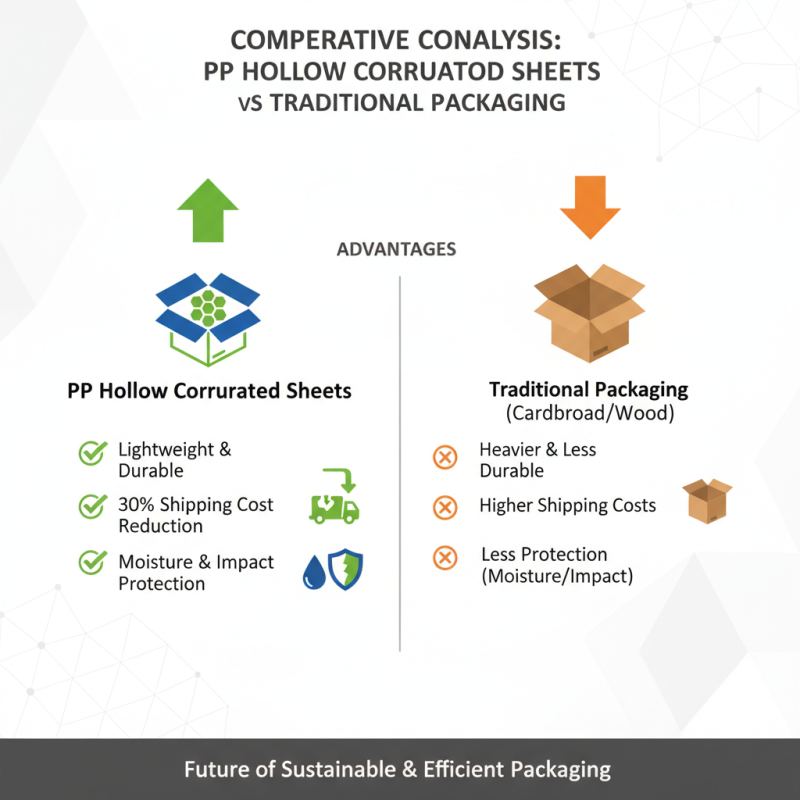
PP hollow corrugated sheets are gaining traction in the packaging industry. They offer several advantages over traditional packaging materials. According to industry reports, these sheets are lightweight yet durable. This makes them ideal for efficient shipping. A comparative analysis shows a 30% reduction in shipping costs when using PP sheets. They also provide better protection against moisture and impact.
Traditional packaging often involves cardboard or plastics that may not be recyclable. This raises environmental concerns. PP hollow sheets are reusable and can be recycled. Studies reveal that using recyclable materials can reduce waste by up to 25% in the packaging sector. However, not all manufacturers are fully equipped to adopt these changes. Some may struggle to source high-quality PP materials.
Despite the benefits, challenges remain. Not all applications are suitable for PP sheets. Specific products may require more robust solutions. Additionally, initial production costs can be high for some manufacturers. It's crucial to balance cost with long-term benefits. Industry experts suggest a phased approach to transition from traditional materials to PP hollow sheets.
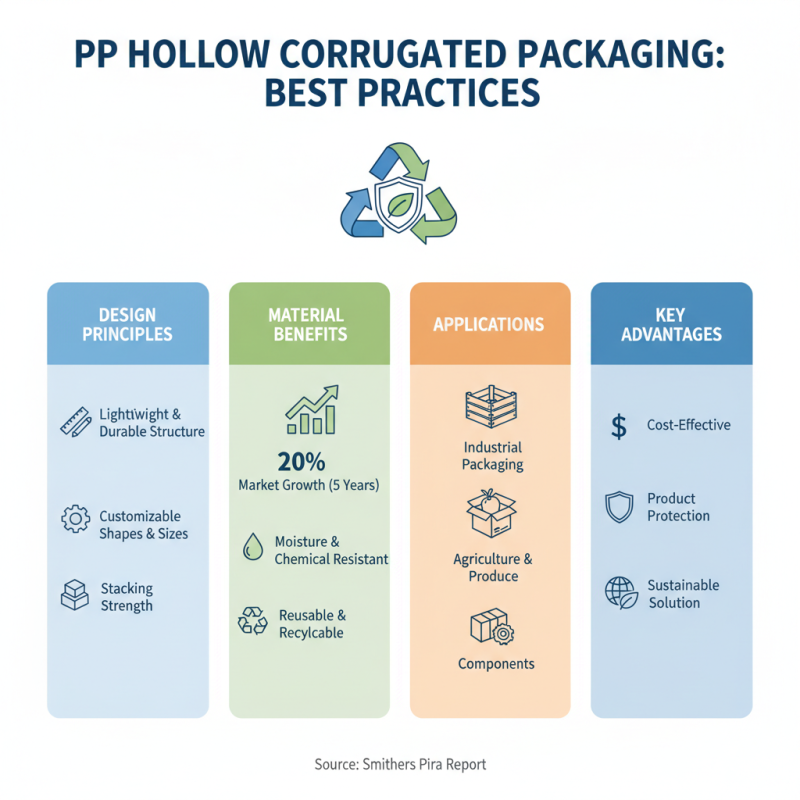
PP hollow corrugated sheets have emerged as a game-changer in the packaging industry. Their durability and lightweight nature make them an ideal choice for various applications. According to a report by Smithers Pira, the use of corrugated packaging has increased by 20% over the past five years. This growth indicates a strong market demand for efficient and sustainable packaging solutions.
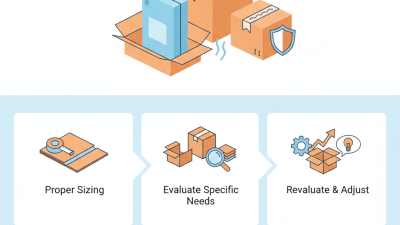
When designing PP hollow corrugated packaging, consider factors like structural integrity and ease of handling. Ensure your designs reduce waste while meeting the needs of the product. Some companies overlook the importance of custom sizing and thickness. A tailored approach can enhance protection and reduce material costs. Data from the Freedonia Group highlights that custom packaging solutions can reduce returns by up to 30%.
Utilizing advanced printing techniques can also enhance branding without sacrificing functionality. However, be cautious of costs; high-quality printing can impact the budget. It’s essential to balance aesthetics and practicality. A recent market survey reported that 70% of consumers prioritize functionality over flashy designs in packaging. This feedback emphasizes the need for a thoughtful approach.
PP hollow corrugated sheets are gaining traction in various industries. Their lightweight nature enhances efficiency in packaging. However, the sustainability aspect is what attracts attention. According to a report by the Plastics Industry Association, approximately 75% of PP sheets are recyclable, making them a suitable choice for eco-conscious businesses. This high recycling potential contributes to reducing waste and fostering a circular economy.
In terms of industrial application, PP hollow corrugated sheets offer solid protection without the excessive use of materials. With a thickness ranging from 2mm to 10mm, they can withstand significant impacts. Despite their resilience, there is a need for more education on proper recycling practices. The recycling process can be complex and may not always yield the desired quality of recycled materials.
As industries strive for sustainability, understanding the limitations of recycling PP sheets is crucial. While many facilities accept these materials, the recycling rates could improve. Data reveals that less than 30% of discarded PP sheets are actually recycled. This indicates a gap between potential and reality. Such statistics highlight the need for better infrastructure and awareness regarding proper disposal and recycling methods.
This chart represents the usage of PP hollow corrugated sheets across various industries, highlighting their potential in sustainable packaging solutions. The data reflects the estimated adoption rates in percentage terms for the year 2026.