What is White Corrugated Sign Board and Its Uses?
White Corrugated Sign Board is a versatile material widely used for signage and displays. This board is made from durable, lightweight corrugated plastic. Its white surface provides a great canvas for vibrant graphics and clear text. Businesses and organizations often choose this material for its practicality and cost-effectiveness.
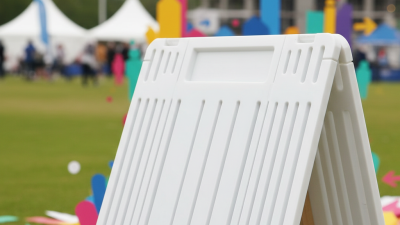
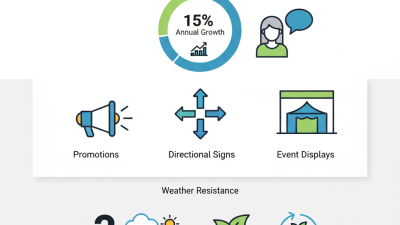
In various settings, the White Corrugated Sign Board serves multiple purposes. It is commonly used in real estate for property listings, at events for directional signs, and by businesses for promotions. The lightweight nature makes it easy to transport and install, which is crucial for temporary signage. Its resistance to weather conditions adds to its reliability, while its simple white design enhances visibility.
While the White Corrugated Sign Board is a great choice, it’s not without flaws. Some may find it less durable than more robust options. Additionally, if not properly maintained, it can become dirty or damaged over time. Users should be mindful of its limitations and evaluate their needs thoroughly before making a decision.
What is White Corrugated Sign Board?
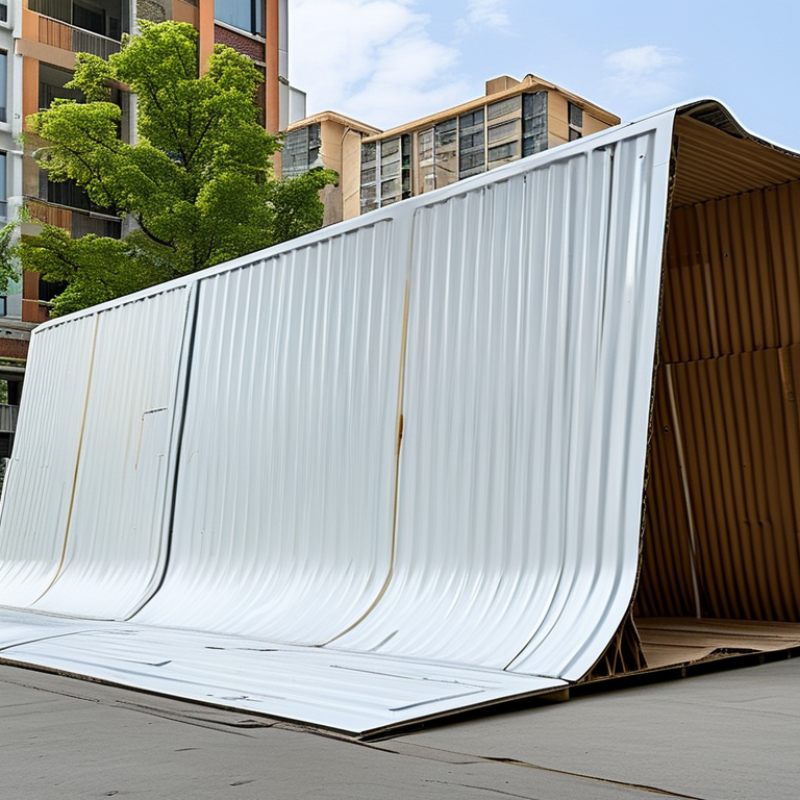
White corrugated sign boards are versatile materials widely used for advertising and information display. Made from a fluted polyproplyene core, these boards are lightweight yet durable. They offer excellent resistance to moisture and UV rays, making them suitable for both indoor and outdoor use. According to industry reports, the global corrugated board market is expected to grow at a CAGR of over 3% from 2022 to 2027. This growth highlights the increasing demand for effective signage solutions across various sectors.
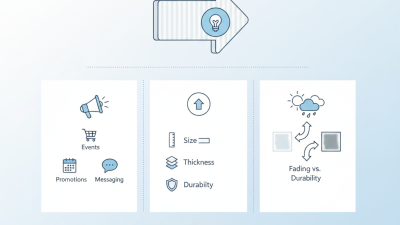
These sign boards come in various sizes and thicknesses, allowing businesses to customize their marketing strategies. They are easy to print on, often showcasing vibrant colors and clear messages. Many companies utilize white corrugated sign boards for event signage, yard signs, and point-of-purchase displays. The ease of handling contributes to their popularity. However, the requirement for proper disposal or recycling is often overlooked, raising environmental concerns.
While white corrugated sign boards serve essential functions, businesses must balance effectiveness and sustainability. Despite their benefits, some manufacturers still struggle with quality consistency. Investing in reliable suppliers becomes crucial as market standards evolve. Ultimately, businesses need to reassess their choices in signage to address both visibility and ecological impact.
Composition and Structure of White Corrugated Sign Board
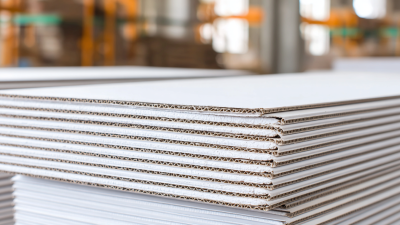
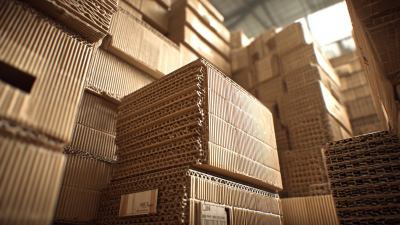
White corrugated sign boards are popular in various industries. Their structure includes multiple layers of paper and plastic, offering durability and lightweight features. The core layer is made from fluted polypropylene, while the outer layers provide protection and a smooth surface for printing. This composition allows for easy customization, making these boards ideal for advertising purposes.
According to industry reports, the global growth rate of corrugated board use is projected to rise by 4.5% annually until 2026. Its versatility enables usage in construction, real estate, and event management. In busy urban areas, these boards can withstand harsh weather conditions, making them a reliable choice for outdoor signage. The thickness typically ranges from 4mm to 10mm, allowing for a balance between sturdiness and flexibility.
Despite their advantages, challenges remain. The production process can lead to inconsistencies in thickness and finish, which may affect print quality. Additionally, while these boards are recyclable, improper disposal can still contribute to environmental concerns. Reports indicate that only 50% of sign boards are recycled effectively. This highlights the need for better practices and awareness in using white corrugated sign boards sustainably.
What is White Corrugated Sign Board and Its Uses? - Composition and Structure of White Corrugated Sign Board
| Dimension |
Description |
| Material |
Made from lightweight, durable materials with a corrugated structure |
| Thickness |
Usually available in thicknesses of 3mm, 5mm, and 10mm |
| Dimension Options |
Common sizes include 24"x36", 36"x48", etc. |
| Weight |
Lightweight, typically around 1.5 to 2.5 lbs per sheet |
| Uses |
Ideal for outdoor signage, temporary displays, and promotional graphics |
| Weather Resistance |
Water-resistant and UV stable for long-lasting outdoor use |
| Printability |
Compatible with various printing methods, including digital and screen printing |
| Recyclability |
Highly recyclable, contributing to environmental sustainability |
Common Uses of White Corrugated Sign Board in Various Industries
White corrugated sign boards are widely used across various industries for their versatility and effectiveness. They are made from recycled materials, making them an eco-friendly choice for signage. In retail, these boards serve as promotional displays that attract customer attention. According to a recent report by the Sign Research Foundation, effective signage can increase sales by up to 20%. This highlights the importance of using quality materials like corrugated boards in creating impactful visuals.
In construction, white corrugated sign boards are vital for site notifications and safety signage. Their lightweight nature makes them easy to install and move. Many construction companies rely on these boards due to their durability against weather elements. They are cost-effective, providing a reliable solution for temporary signage. A study by the Outdoor Advertising Association indicates that outdoor signs are one of the most effective forms of advertising, reinforcing the necessity of optimal visibility.
Tips: Always ensure that the graphics are clear and concise. Consider using high-contrast colors to enhance visibility.
These sign boards also find their place in events and exhibitions. They are perfect for directional signs or informational displays. Their adaptability allows for quick changes and easy customization, which is essential in dynamic environments. However, it's important to evaluate the quality of printing and ink used, as lower-quality prints can fade quickly.
Common Uses of White Corrugated Sign Board in Various Industries
Advantages of Using White Corrugated Sign Board for Signage
White corrugated sign boards have gained popularity in various industries for their versatility and effectiveness. According to a 2023 report from the Signage Foundation, the use of corrugated plastic materials has increased by 40% over the past five years. This rise is attributed to their lightweight nature and durability. White corrugated sign boards are particularly useful in outdoor settings. They can withstand harsh weather without fading or warping.
An advantage of these sign boards is their cost-effectiveness. They are cheaper than many traditional materials, making them ideal for businesses with limited budgets. Studies show that businesses can reduce their signage costs by up to 30% when switching to corrugated boards. Additionally, the white surface allows for high-resolution printing. This enhances visibility and ensures that messages stand out. However, the importance of choosing the right printing methods should not be overlooked. Poor quality prints can diminish the effectiveness of the signage.
Moreover, their eco-friendliness is a notable advantage. Many corrugated sign boards are made from recycled materials and are recyclable after use. This appeals to environmentally conscious consumers. Yet, some manufacturers still rely on non-recyclable options, leading to waste issues. It’s essential for buyers to research and select reliable suppliers who prioritize sustainability. Balancing cost, quality, and environmental impact is crucial when choosing sign materials.
Tips for Choosing the Right White Corrugated Sign Board
When selecting a white corrugated sign board, it is essential to consider several factors. First, think about the intended use. Will the sign be for indoor or outdoor display? Outdoor signs should be durable and weather-resistant. Indoor signs can be lighter and more versatile.
Next, evaluate the thickness and size of the board. Thicker boards offer better durability but may be heavier to transport. Consider your specific needs. A larger size will grab attention but requires more space for setup. Also, check the surface texture. A smooth surface allows for clearer printing and graphics.
Finally, assess the board’s recyclability. Eco-friendly materials are increasingly popular, reflecting both sustainability and modern business practices. Balancing quality and cost is crucial. It can be tempting to choose the cheapest option available. However, investing a little more often leads to better visibility and longevity. Keep in mind the balance between appearance and practicality. Perfection is not always achievable, and sometimes you must adapt your expectations.