Why Choose Pp Hollow Corrugated Sheet for Your Packaging Needs?
In the fast-evolving packaging industry, choosing the right materials is crucial for sustainability and efficiency. The use of Pp Hollow Corrugated Sheet is rapidly gaining traction among manufacturers. According to a report by Smithers Pira, the global demand for sustainable packaging is projected to increase by 22% over the next five years. This highlights the growing awareness of environmental issues and the need for materials that are both functional and eco-friendly.
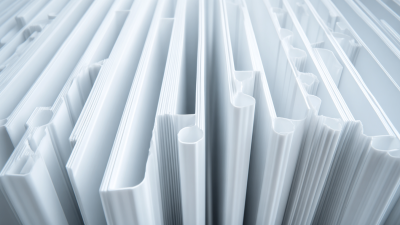
Pp Hollow Corrugated Sheet stands out due to its lightweight design and excellent durability. It effectively reduces shipping costs while providing sufficient protection for various products. Furthermore, studies indicate that it can reduce packaging waste by up to 30%. This contributes to a more circular economy, which many businesses strive to achieve.
Despite its advantages, companies must carefully assess their specific needs before selecting Pp Hollow Corrugated Sheet. Not all options are created equal. Some sheets may not meet durability standards in certain conditions. As businesses push for greener solutions, understanding the balance between cost and quality remains a challenge. Careful selection and quality assessment are essential to ensure that the chosen solution meets industry standards.
Benefits of Pp Hollow Corrugated Sheets in Packaging Solutions
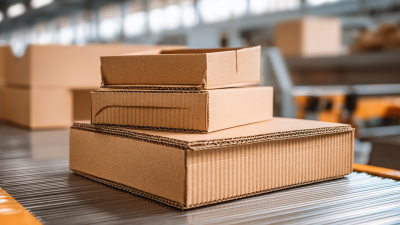
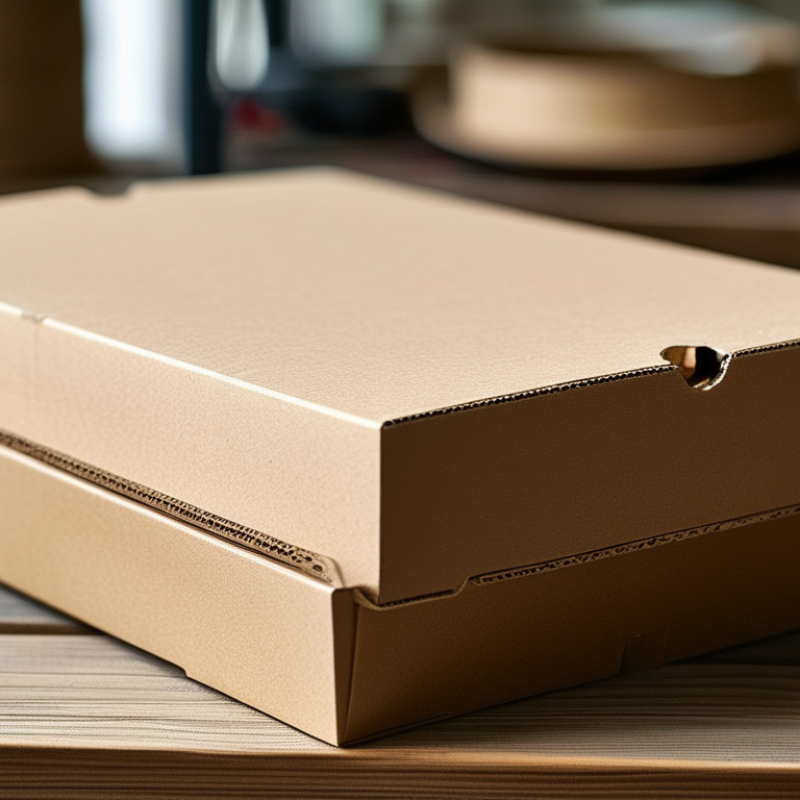
PP hollow corrugated sheets offer numerous advantages for packaging solutions. Their lightweight structure ensures easy handling and reduces shipping costs. According to a recent report from Smithers Pira, these sheets can lower transportation expenses by up to 30%. They are also moisture-resistant, which protects products during transit. This feature is crucial for industries dealing with food, electronics, and fragile items.
One significant benefit is their recyclability. The material can be reused, making it an eco-friendly choice. A study by the Association of Plastic Recyclers highlights that over 80% of PP materials are recyclable. This statistic demonstrates a commitment to sustainability, appealing to environmentally conscious consumers.
Tip: When considering packaging materials, assess not only the weight but also the environmental impact. Many businesses overlook disposal issues and end up contributing to waste.
Additionally, PP hollow corrugated sheets provide excellent durability. They resist impacts and extreme temperatures, making them reliable for various applications. However, companies must ensure proper storage to avoid deformation. Sometimes, the improper stacking of sheets can lead to damage, which may cost more later on.
Tip: Test the sheets under real-world conditions prior to full-scale usage. This precaution can prevent potential losses in the supply chain.
Durability and Weight-Reduction of Pp Hollow Corrugated Sheets
When considering packaging solutions, Pp hollow corrugated sheets are a top choice for many. Their durability stands out in various applications. These sheets can withstand impact and pressure without bending or breaking, making them ideal for transporting fragile goods. They are resilient, ensuring your products arrive safely.
Weight reduction is another significant benefit of using Pp hollow corrugated sheets. They are lighter than traditional materials yet strong enough for demanding tasks. This not only saves on shipping costs but also makes handling easier. Various industries benefit from this, particularly those dealing with heavy materials or bulk items.
**Tips:** Choose the proper thickness for your needs. A thicker sheet provides more strength but may add weight. Test samples before committing to a large order. Consider the environmental impact; some Pp sheets are recyclable. This could enhance your brand’s reputation. Remember, while Pp sheets are durable, they can be affected by extreme temperatures. Regularly reassess your packaging solutions for potential improvements.
Comparative Cost-Effectiveness of Pp Hollow Sheets vs. Traditional Materials
PP hollow corrugated sheets are increasingly popular for packaging. Their cost-effectiveness compared to traditional materials is notable. Lightweight yet sturdy, these sheets reduce shipping costs. They require less energy for production, which lowers overall expenses.
When analyzing costs, one must consider durability. PP sheets resist moisture and chemicals, extending product life. Traditional materials like cardboard may falter under wet conditions. While PP sheets may have a higher upfront cost, they offer savings over time due to reduced waste.
However, not every organization sees the benefits right away. Some businesses may hesitate to shift from familiar materials. They might struggle to accept the initial investment in PP sheets. It's essential to weigh these concerns against long-term savings. An informed decision requires careful evaluation, examining both immediate and future needs. The transition can be challenging but is often worthwhile.
Environmental Impact: Recyclability and Sustainability of Pp Hollow Sheets
PP hollow corrugated sheets are increasingly valued for their eco-friendly properties. These sheets are made from polypropylene, which is fully recyclable. This means they can be repurposed rather than sent to landfill. Sustainability is a key factor for any business today. Using recyclable materials reduces overall waste and promotes a healthier environment.
When considering packaging options, think about the lifecycle of your materials. Choose sheets that can be reused multiple times. Doing so minimizes resource consumption. Evaluate local recycling programs to ensure proper disposal. Not all facilities accept every type of plastic, so check requirements.
Tips for reducing your environmental footprint include selecting products made from recycled materials. Look for certifications that indicate sustainability practices. Moreover, consider the durability of PP sheets. They withstand weather conditions, which can prolong their use in outdoor packaging. This durability helps you save resources in the long run. Reflect on your choices and strive for packaging that aligns with your environmental goals.
Environmental Impact of PP Hollow Corrugated Sheets
The chart above illustrates the environmental impact score of PP hollow corrugated sheets across various factors such as recyclability, sustainability, energy consumption, carbon footprint, and water usage. These scores highlight the benefits of using PP hollow sheets for packaging solutions.
Industry Applications and Trends for Pp Hollow Corrugated Sheets
PP hollow corrugated sheets have gained significant traction across various industries due to their lightweight and durable properties. A report by Smithers Pira estimates that the global market for corrugated packaging will reach over $300 billion by 2026. This trend highlights the increasing preference for sustainable and versatile materials in packaging.
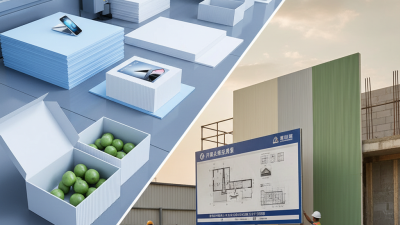
Industries such as agriculture, construction, and retail frequently use PP hollow sheets to protect products during transit. These sheets not only safeguard against moisture but also provide excellent resistance to impact.
In agriculture, for instance, these sheets are now being utilized for plant trays and protective boxes. A study indicated that the use of polypropylene in agricultural applications reduced packaging waste by 30%. The construction sector also benefits from these sheets, using them as temporary barriers or for protective packaging of construction materials. While the versatility of PP hollow corrugated sheets is evident, there remain challenges in terms of recycling and waste management, as not all facilities can process them efficiently.
Trend analysis shows a steady shift towards eco-friendly materials. Despite the advantages of PP sheets, industries need to consider the environmental impact of their entire packaging lifecycle. Manufacturers are encouraged to innovate in recycling processes to improve sustainability. The future lies in balancing functionality with environmental responsibility.