500-1
500-2
500-3

Industry News

Look forward to sincere cooperation with every customer!

2026 Top Corrugated PP Suppliers for Global Buyers?

Global buyers are reassessing packaging materials in 2026. Corrugated Pp is gaining attention because it combines low weight, moisture resistance, and repeated-use potential. It suits export crates, retail displays, agricultural boxes, and reusable logistics totes. The surface feels light, yet the fluted core adds stiffness. That contrast matters when shipments face rain, stacking pressure, and rough handling.

Market evidence supports careful optimism. Smithers projects continued growth in global corrugated packaging demand through 2028, driven by e-commerce, food distribution, and regional manufacturing. Grand View Research also identifies polypropylene packaging as a growth segment, especially where durability and recyclability influence purchasing decisions. However, Corrugated Pp data remains fragmented. Many reports group it with rigid plastics or wider converted-polymer packaging. Comparisons can therefore look more precise than they really are.

Michael Thielen, a recognized polypropylene industry author, offers a useful principle: “The application should determine the material.” That thought should guide supplier selection. A responsible buyer must check sheet thickness, flute structure, resin grade, load performance, print quality, and take-back systems. Certifications deserve verification. Claims do not equal evidence.

The best supplier may not be the cheapest. It may be the factory that sends test samples, discloses recycled content, and explains failure limits clearly. This guide compares leading Corrugated Pp suppliers by production capability, export experience, customization, quality control, and documented sustainability practices. Some rankings will remain imperfect. Regional pricing, freight costs, and incomplete market reporting can change the result. Buyers should still test before committing.

2026 Top Corrugated PP Suppliers for Global Buyers?

What Is Corrugated PP and Why Does It Matter to Global Buyers?

Corrugated PP is a lightweight plastic sheet with fluted inner channels between two flat surfaces. Polypropylene gives it moisture resistance, impact strength, and useful chemical stability. The structure resembles cardboard, but it does not absorb rain or collapse quickly in humid storage areas. That difference matters when goods move through ports, warehouses, and outdoor loading zones.

For global buyers, material consistency is often more important than a low quotation. Ask for sheet thickness, flute profile, weight tolerance, and recycled-content details. Request samples from different production batches. Check whether edges remain firm after cutting, folding, and repeated handling. A reliable supplier should explain resin grades, color control, packing methods, and inspection records clearly. They should also provide documents that support the destination market’s safety and environmental requirements.

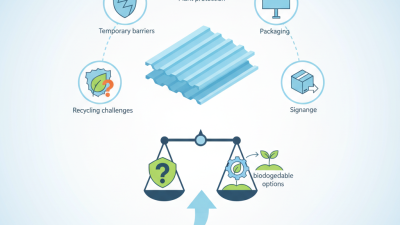
Small details affect real costs. A warped sheet can waste die-cutting time. Weak flutes may buckle under stacked cartons. Excessive packaging can increase freight charges and create disposal problems. Corrugated PP is not perfect. It can be harder to recycle when mixed with labels, adhesives, or other plastics. Buyers should confirm local recycling routes before placing large orders. One overlooked issue is temperature: extreme heat may soften thin sheets, while cold conditions can reduce flexibility. Testing remains essential, even when specifications look complete. Supplier claims deserve verification.

How to Evaluate Corrugated PP Suppliers in 2026

How to Evaluate Corrugated PP Suppliers in 2026

Supplier evaluation should begin with material evidence, not polished brochures. In 2023, global plastics production reached 413.8 million tonnes, according to Plastics Europe’s 2024 industry report. This scale makes resin traceability increasingly important. Ask for the polypropylene grade, recycled content, density, and batch-specific certificate of analysis. Confirm whether production uses consistent flute geometry and sheet thickness. Small variations can affect stacking strength and printing quality.

Request samples from at least three production lots. Test thickness, weight, impact resistance, compression strength, and hinge fatigue under your real warehouse conditions. ISO 527 can support tensile testing, while ISO 1183 helps verify density. For outdoor applications, request accelerated weathering data based on ISO 4892-3. Do not accept “UV resistant” without exposure hours and retained-strength results. Numbers matter.

Sustainability claims also require careful checking. The OECD reported that global plastic waste reached 353 million tonnes in 2019, with only a limited share recycled. Therefore, ask for recycled-content verification, recyclability guidance, and documented waste controls. Audit production capacity, maintenance records, lead-time history, and packaging protection. A low quotation may hide unstable quality. I have seen specifications look complete, yet omit temperature limits and edge-crush performance. That omission deserves questions. No checklist is perfect; independent testing remains worthwhile before a 2026 supply agreement.

2026 Top Corrugated PP Suppliers for Global Buyers: How to Evaluate Corrugated PP Suppliers in 2026

This buyer evaluation framework assigns a 100-point total weight to the factors most relevant when comparing corrugated PP suppliers in 2026. Product consistency and technical compliance receive the highest weighting because thickness, board weight, flute structure, impact resistance, and dimensional stability directly affect conversion performance and end-use reliability. Buyers should validate each category with samples, inspection records, test reports, production capacity, lead-time data, landed-cost calculations, and applicable environmental documentation.

Benchmark weighting model: the percentages represent a practical procurement assessment framework, not supplier market share or company-specific performance data.

Leading Corrugated PP Supplier Categories and Regional Strengths

2026 Top Corrugated PP Suppliers for Global Buyers

Corrugated PP suppliers usually fall into four categories: sheet extruders, fabricators, packaging converters, and regional distributors. Sheet extruders focus on stable thickness, flute structure, and large-volume production. Fabricators add cutting, welding, printing, and custom assembly for reusable boxes or protective panels. Converters are useful when buyers need finished packaging, not raw sheets. Distributors provide shorter lead times and local inventory, but their technical control may be limited.

Regional strengths differ by project. East Asian suppliers often offer broad capacity, competitive pricing, and fast tooling development. European suppliers commonly emphasize traceability, engineering documentation, and lower-impact material options. North American suppliers can support domestic delivery, custom fabrication, and responsive technical service. Southeast Asian producers may provide expanding capacity and flexible export solutions. Regional averages can mislead.

Material verification matters more than a polished catalog. Buyers should request samples, thickness reports, flute measurements, impact tests, and documented recycled content. For heavy-duty applications, inspect load performance after humidity and temperature changes. A low quoted price may hide weaker ribs or inconsistent sheet density. That mistake is expensive. Supplier audits should also review production records, packaging methods, and corrective-action procedures. No category wins every project. In practice, buyers may need one supplier for high-volume sheets and another for local conversion. This split can improve resilience, although it adds coordination work and quality checks.

Key Product, Quality, and Compliance Criteria for Supplier Selection

2026 Top Corrugated PP Suppliers for Global Buyers

Global buyers should judge corrugated PP suppliers through measurable product evidence, not attractive samples. Plastics Europe reported 413.8 million tonnes of global plastics production in 2023. That scale increases the need for consistent resin control and documented processing.

Ask for thickness tolerance, sheet weight, flute height, impact strength, and color variation records. A 4 mm sheet should not quietly become 3.6 mm at the edge. Test reports should identify methods, equipment, dates, and sampling frequency. Supplier laboratories need calibrated instruments and traceable results. ISO 9001 certification helps, but certification alone proves little about daily production discipline. The ISO Survey 2023 recorded more than 1.2 million ISO 9001 certificates worldwide, so buyers still need factory-level verification.

Compliance checks should match the destination market and application. Request declarations covering REACH, RoHS, packaging requirements, and recycled-content claims where applicable. Safety Data Sheets should match the actual formulation. Review batch numbers, inspection photos, corrective-action records, and retention samples. Small details matter.

A supplier with ISO 14001 may show stronger environmental management, yet carbon data can remain incomplete. This is where careful buyers should challenge assumptions. Ask how recycled PP is verified, how moisture is controlled, and how rejected sheets are handled. A factory visit is valuable, but one visit cannot represent every shipment. Build approval around repeated evidence, not confidence alone.

How to Compare Pricing, Capacity, Logistics, and After-Sales Support

For 2026 sourcing, compare corrugated PP suppliers beyond the unit price. Request quotes using identical sheet thickness, dimensions, colors, print coverage, and order quantities. A lower price may hide thinner flutes or weaker edge strength. Ask for recent test reports, sample pieces, and a written tolerance range. I usually calculate landed cost, including tooling, packing, freight, duties, inspection, and possible scrap.

Capacity needs practical evidence. Ask for monthly output, current utilization, machine count, and maintenance records. A supplier claiming high capacity may still struggle during seasonal peaks. Request a production schedule for your proposed volume. Check whether raw material supply is stable. One missed resin delivery can delay a container by several days. Confirm lead times for samples, mass production, and replacement orders separately.

Logistics should be tested with details, not promises. Compare port options, container loading plans, pallet dimensions, moisture protection, and shipment tracking procedures. For after-sales support, define response times, claim documents, replacement rules, and who pays for verified defects. A video inspection before loading can prevent arguments later. I once accepted an attractive quote without checking carton compression data; the product arrived usable, but not ideal for heavy stacking. That mistake still influences my supplier scorecard. Strong partners share limitations early, although their first answer may not be perfect.