
- export5@runpingpp.com
- 24 Hours Online



China Best Corrugated Plastic Rolls Supplier for Global Buyers
Choosing a reliable China-based supplier of Corrugated Plastic Rolls takes more than comparing prices. Buyers need to understand how the material will perform in their specific application. These lightweight, fluted plastic sheets are used for signs, protective packaging, temporary partitions, and surface protection. Details matter. Flute structure, thickness, roll width, color, and edge quality can affect handling and finished results. A sample roll can reveal issues that a product photo cannot.
A capable supplier should explain available specifications, production tolerances, quality checks, and packaging options in clear terms. Ask how thickness and width are measured, whether production samples can be approved, and how rolls are protected during shipment. These questions help buyers assess consistency before placing larger orders. Reliable documentation and responsive communication also make it easier to resolve specification gaps. Still, a polished catalog is not proof of dependable production. Some supplier pages leave important details unclear, and that deserves a closer look. Request current product data and confirm that the quoted specifications match your intended use. Compare samples under realistic conditions, such as cutting, folding, or stacking. This takes time. Yet careful evaluation can reduce avoidable delays and help global buyers choose a supplier with confidence, rather than relying on a low price alone.
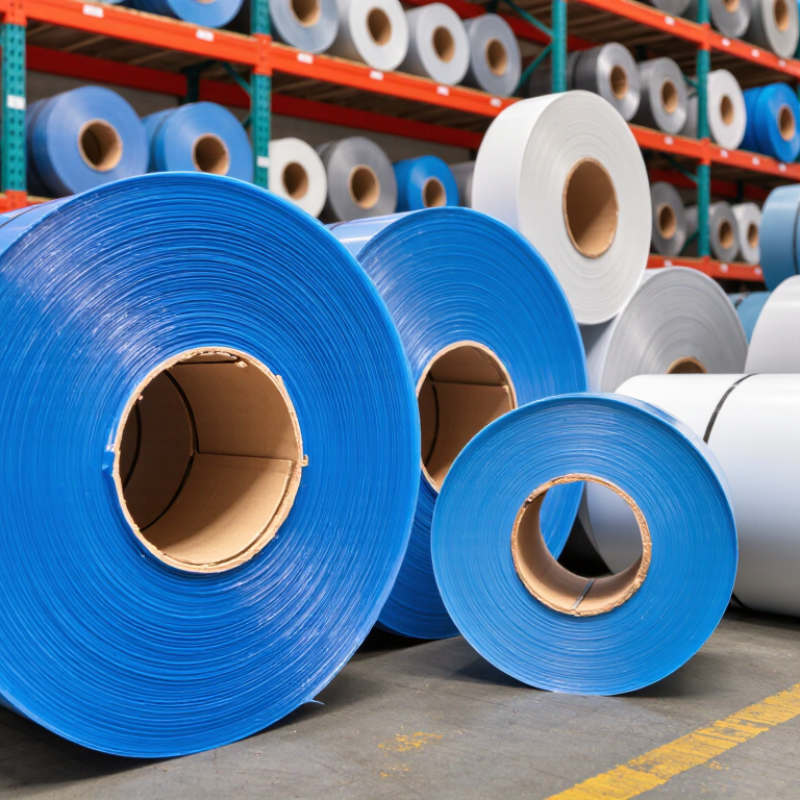
What Corrugated Plastic Rolls Are and How They Are Made
Corrugated plastic rolls are lightweight sheets of polypropylene wound into a coil. Each sheet has two flat outer walls joined by narrow internal ribs, creating flutes that resemble a row of tiny channels. This structure adds stiffness without making the material heavy. The rolls can be cut to size for packaging, temporary surface protection, signs, or dividers. They resist moisture, but heat, sharp impacts, and prolonged outdoor exposure can affect performance.
Manufacturing usually starts by melting polypropylene pellets and pushing the material through an extrusion die. The die forms the outer walls and connecting ribs at the same time. Rollers cool and size the sheet, then guide it onto a core. Flute height, wall thickness, and winding tension influence how the finished roll handles. In practice, a sample may not behave exactly like a flat cut piece; winding can leave a gentle curl. Check the material in its intended use before ordering large quantities.
Tips: Ask for the roll width, thickness, and flute direction. Test a short sample for cutting, bending, and surface protection. Store rolls flat or securely supported to reduce unwanted distortion.
China Best Corrugated Plastic Rolls Supplier for Global Buyers - What Corrugated Plastic Rolls Are and How They Are Made
| Topic | Typical Information | What Buyers Should Check |
|---|---|---|
| What the product is | Corrugated plastic roll material is generally made from polypropylene (PP) formed into two flat outer layers connected by internal ribs, creating hollow channels. | Confirm the polymer, sheet structure, surface finish, and intended use. Product construction can vary by manufacturer. |
| Common material | Polypropylene is widely used because it is lightweight, moisture-resistant, and suitable for many reusable packaging and protection applications. | Ask whether recycled content is included and whether the material meets any project-specific requirements. |
| Typical thickness | Lightweight corrugated PP products are commonly available in thicknesses around 2–5 mm; available options depend on the product design and production equipment. | Specify thickness tolerance and evaluate stiffness and flexibility using a sample. |
| Roll width and length | Roll dimensions are product-specific. Width, roll length, core size, and maximum roll diameter should be agreed before production. | Check that roll dimensions suit converting equipment, storage space, and shipping limits. |
| 1. Material preparation | PP resin, and any approved color or additive masterbatch, are measured and blended to the specified formulation. | Confirm color, material grade, and any required additive or recycled-content specifications. |
| 2. Extrusion and sheet forming | The prepared material is melted and passed through an extrusion die to form a continuous profile with outer skins and connecting ribs. | Review sample consistency, surface quality, and the orientation and uniformity of the internal channels. |
| 3. Cooling and calibration | The formed profile is cooled and guided through calibration equipment to help maintain its dimensions and flatness. | Request agreed dimensional tolerances and inspect for warping, uneven thickness, or damaged edges. |
| 4. Cutting and winding | Continuous material is cut to the ordered width and wound onto a core or prepared for another specified packing format. | Confirm winding direction, core dimensions, roll weight, and packaging protection. |
| Common applications | Typical uses include protective packaging, temporary surface protection, dividers, signs, and lightweight covers, subject to the product’s specifications. | Match thickness, stiffness, and surface requirements to the intended application and handling conditions. |
| Quality checks | Common checks include thickness and width measurement, visual inspection, roll-weight checks, and review of winding and packaging condition. | Agree inspection criteria, acceptable tolerances, sampling method, and documentation before placing an order. |
| Shipping considerations | Roll diameter, weight, pallet arrangement, and protective wrapping affect container loading and handling requirements. | Request packed dimensions and gross weight to compare freight options and plan unloading at destination. |
Related Posts
-
Top Corrugated Plastic Rolls Suppliers for Global Buyers
-

How to Use Corrugated Plastic for Versatile Applications?
-

2026 Top Corrugated PP Suppliers for Global Buyers?
-

Unlocking Quality: Your Guide to Sourcing the Best Plastic Corrugated Sheets from Reliable Suppliers
-
What is Corrugated Plastic Board and Its Uses?
-
China Best Corrugated Plastic Rolls for Versatile Packaging Solutions?