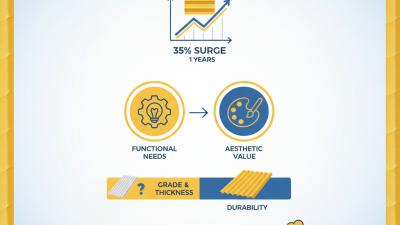
Global buyers assessing Corrugated Plastic Rolls need more than a low quotation. They need consistent sheet structure, dependable roll dimensions, and clear quality records. These products can protect palletized goods, line containers, or shield surfaces during handling. Small differences matter: uneven flutes can affect stiffness, while rough edges may complicate cutting and installation.
The wider plastics industry offers useful context, but not a direct market-size estimate for this product. OECD’s Global Plastics Outlook reports that global plastics production reached 460 million tonnes in 2019, while plastic waste totaled 353 million tonnes. Only 9% of that waste was recycled. PlasticsEurope’s Plastics – the Fast Facts 2023 estimates global plastics production at 400.3 million tonnes in 2022, using its own reporting scope. These figures underline why buyers increasingly ask suppliers about resin composition, recycled content, and end-of-life guidance. They should not be mistaken for Corrugated Plastic Rolls sales data.
One gap remains. Major reports rarely isolate roll-form corrugated sheets, so supplier comparisons often rely on product specifications and sample testing. Buyers should verify material type, thickness, roll width, length, flute profile, and tolerances before placing bulk orders. Ask for recent test results, packaging details, and production lead times. A clear sample check can reveal more than a polished catalog. Global sourcing still involves trade-offs; lower prices may bring longer transit times or less flexible customization. A reliable supplier explains those limits plainly.

Corrugated plastic rolls are continuous lengths of fluted plastic, usually polypropylene, with narrow channels between two flat surfaces. Those channels add stiffness without much weight. Light, but not flimsy. Depending on thickness, flute direction, and roll width, the material may bend around products or remain firm enough for temporary barriers and protective layers. It resists moisture better than paper-based board, though prolonged sun exposure and repeated flexing can weaken some grades. Check the product specification before choosing a roll for outdoor use or repeated handling.
In packaging, workers can cut a roll to line a crate, separate stacked parts, or wrap surfaces that might otherwise be scratched in transit. The hollow flutes can also provide cushioning, but they are not a substitute for purpose-designed impact protection when fragile goods are involved. In workshops and warehouses, cut sections may protect floors, cover work surfaces, or shield components from dust. A practical test is to cut a sample and fold it around the actual item. It may crease where expected—or spring back awkwardly. Details matter. Roll width, flute orientation, and edge finishing can affect how neatly it fits, so a small trial often reveals problems that a specification sheet misses.
Nominal thickness options commonly found in the market. Actual availability varies by supplier and product.
Corrugated polypropylene is lightweight and moisture-resistant. It is used for protective packaging, temporary signage, and surface protection. In general, thicker boards offer greater rigidity, but the best choice depends on the application and product specifications.
Top Corrugated Plastic Rolls Suppliers for Global Buyers
Key Qualities to Look for in a Global Supplier
A reliable supplier should provide clear specifications for thickness, roll width, weight, flute structure, and color. Request a production sample before placing a large order. Check that the edges stay even and the flutes do not crush when the roll is handled. Ask for batch records and a written process for addressing defects. These details matter more than polished sales claims.
Sustainability and shipping readiness deserve equal attention. The OECD’s Global Plastics Outlook reports that packaging accounted for about 40% of plastic waste generated in 2019. This figure covers packaging broadly, not corrugated plastic rolls alone. Still, it makes material efficiency and recycling information worth discussing with suppliers. Ask what recycled content is available, how it affects performance, and whether product data can be supplied for review. Confirm roll dimensions, pallet protection, lead times, and export documents before shipment. Small gaps here can cause costly delays.
Tips: Compare samples using the same measurements and handling conditions. Keep one sample for future checks. A supplier may meet the specification on paper, yet a roll can still behave differently after long-distance transit. Don’t skip that check.
Corrugated plastic roll suppliers differ in more than price. Strong suppliers can explain flute structure, sheet thickness, roll width, and material options in plain terms. These details affect stiffness, cutting, and handling. Some offer custom slitting or color matching, while others focus on standard sizes and steady production. Ask how they inspect thickness and roll edges. A clear answer is useful; a polished brochure alone is not proof of consistent quality. Details matter.
Tips: Request a sample roll and check its weight, surface, and flute consistency. Confirm minimum order quantities, production lead times, and export packaging before placing a large order.
For global buyers, responsive communication and reliable shipment planning are practical capabilities. Suppliers should provide specifications, packing details, and realistic delivery estimates. Ask whether they can protect rolls from moisture and crushing during transit. Small test orders can reveal issues that samples may not show, such as uneven winding or damaged edges. No supplier is perfect. Even a careful review can miss a detail, so record agreed tolerances and inspect the first shipment against them. A capable partner is one that answers questions clearly and addresses problems with evidence, not vague promises.
Comparing corrugated plastic rolls starts with the structure, not the price tag. Ask for flute profile, thickness, roll width, length, and weight per square meter. These figures reveal how much material you are actually buying. Check whether quoted dimensions are nominal or measured, and request tolerances in writing. A roll that looks similar on paper may handle differently around a tight corner or damp pallet.
Compare delivered cost per usable square meter, including freight, packaging, minimum order quantities, and any setup charges. Then request a production sample. Test it on your own line: note how easily it unrolls, bends, and holds printed ink. Small details matter. I would not treat one sample as proof; production batches can vary, so ask how consistency is checked.
Customization can include color, flute direction, roll length, printing, and surface treatments such as UV protection. Confirm which options change lead time or require a larger order. The OECD’s 2022 Global Plastics Outlook reported that only 9% of plastic waste was ultimately recycled worldwide in 2019. That figure covers plastics broadly, not corrugated rolls specifically, but it makes end-of-life questions worth asking. Request clear information on material composition and available recovery routes. A sustainability claim without supporting details is not enough.
For global buyers of corrugated plastic rolls, freight planning starts with the roll’s actual dimensions, not just its net weight. A wide roll can consume container space quickly, while loose cores and shifting pallets may cause edge damage. UNCTAD’s Review of Maritime Transport 2024 reports that global maritime trade grew 2.4% in 2023 and notes ongoing route disruptions. Build schedule buffers and confirm the shipping term, port charges, and cargo insurance before production. Ask suppliers for packed dimensions, gross weight, pallet details, and loading photos.
Import paperwork deserves equal attention. Confirm the product description, material composition, country of origin, and tariff classification with a qualified customs broker. Classification can vary by product construction and local tariff rules; do not rely on a generic code from an old shipment. Check destination-market requirements for product labeling, packaging, and chemical declarations where applicable. Keep the commercial invoice, packing list, and transport document consistent. A small mismatch in roll count or declared weight can delay clearance. It happens more often than buyers expect.
Tips: Request a pre-shipment document set before cargo leaves. Compare the declared quantity with pallet labels, and ask for moisture-resistant wrapping if rolls may face rain during transfer. Keep one sample for arrival inspection; measurements can reveal problems that paperwork misses.
| Buyer consideration | What to verify with a supplier | Why it matters for global buyers | Practical buyer action |
|---|---|---|---|
| Material and construction | Confirm polymer type, flute structure, sheet thickness, roll width, color, and whether recycled content is used. | “Corrugated plastic” can describe products with different materials and constructions, which affect strength, weight, and suitability for use. | Request a technical data sheet and samples made to the proposed specification. |
| Roll dimensions and tolerances | Check usable width, roll length, thickness tolerance, edge condition, and permitted variation in weight or dimensions. | Dimensional variation can affect converting, packaging, equipment setup, and the quantity of usable material per roll. | Put measurable tolerances and inspection methods in the purchase specification. |
| Load capacity and roll protection | Ask for roll diameter, core details, gross weight, pallet arrangement, moisture protection, and handling instructions. | Roll dimensions and packing affect container utilization, freight cost, handling equipment, and the risk of transit damage. | Request a packing plan with package dimensions and weights before booking freight; confirm final figures against the shipping documents. |
| Production capacity and lead time | Verify available production capacity, sample timing, order quantity requirements, production schedule, and peak-season constraints. | Production time and transport time are separate parts of the total delivery schedule and may vary by route and season. | Agree on production milestones and a latest ship date; allow for inspections and possible port or customs delays. |
| Quality control and traceability | Ask how incoming material, dimensions, appearance, and finished rolls are checked, and whether production lots can be identified. | Documented checks and lot identification make it easier to investigate defects and manage repeat orders. | Define acceptance criteria and the procedure for reporting, documenting, and resolving nonconforming goods. |
| Trade terms and freight responsibilities | Specify the agreed Incoterms® rule, named place or port, and the applicable version in the sales contract. | Incoterms® allocate defined delivery responsibilities, costs, and risks between seller and buyer; they do not replace the full sales contract. | Compare like-for-like quotations and confirm who arranges freight, export clearance, insurance, and import clearance under the selected rule. |
| Import classification and duties | Obtain a precise product description, material composition, intended use, and country of origin for classification review. | Tariff classification and duty treatment depend on the importing jurisdiction and product details; a supplier’s suggested code may not determine the final classification. | Have your customs broker or relevant customs authority confirm the classification, duty rate, and any trade measures before ordering. |
| Shipping and customs documents | Coordinate the commercial invoice, packing list, transport document, and any certificates or declarations required for the destination. | Document requirements vary by shipment, transport mode, trade agreement, and importing country; inconsistencies can delay clearance. | Check that product descriptions, quantities, weights, values, and origin details match across all documents before dispatch. |
| Chemical and product compliance | Request material declarations and test evidence relevant to the destination market and the product’s intended application. | Requirements differ by market and use. For example, food-contact applications may require separate assessment under applicable local rules. | Identify the destination and end use early; verify applicable requirements with the relevant regulator or qualified compliance specialist. |
| Packaging and wood-packing rules | Confirm whether pallets, crates, or blocking contain solid wood and request applicable treatment and marking details when required. | ISPM 15 applies to regulated wood packaging material in international trade, subject to the importing country’s rules; it is not a certification for the plastic rolls themselves. | Confirm packaging materials and destination requirements before production and shipping. |
| Samples, inspection, and payment protection | Agree on an approved sample, inspection timing, payment milestones, and the evidence required before final payment, where applicable. | Clear approval and payment terms reduce misunderstandings about product quality and delivery obligations. | Use a written specification and contract; select payment and inspection arrangements appropriate to the transaction and risk. |
Note: Import duties, product regulations, documentation, and packaging rules depend on the destination country, product details, and intended use. Confirm current requirements with the relevant customs authority or a qualified customs broker.