How to Choose the Best Plastic Corrugated Sheet for Your Needs?
Choosing the right Plastic Corrugated Sheet can be challenging. The market offers various types, each with unique properties. According to a recent report by Smith & Associates, demand for Plastic Corrugated Sheets will grow by 5% annually in the coming years. This growth highlights the importance of making an informed choice.
Industry expert Dr. Jane Thompson notes, "Selecting the correct Plastic Corrugated Sheet hinges on understanding your specific needs." Her insights emphasize the need for clarity in application, as misuse can lead to costly investments. Different thicknesses and sizes are available, yet many buyers overlook these details.
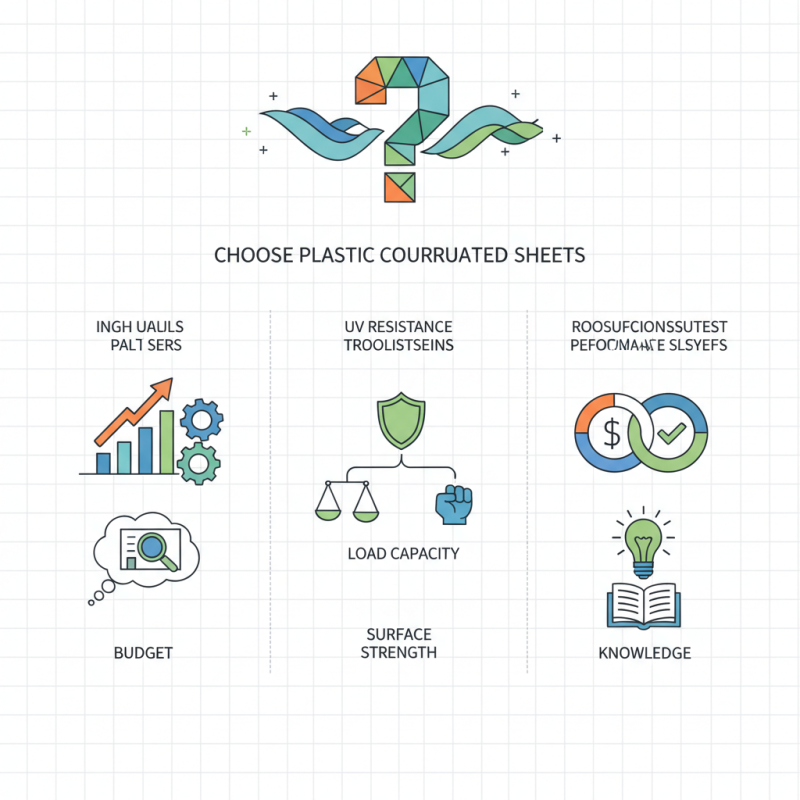
Additionally, factors like UV resistance, load capacity, and surface strength matter significantly. A common mistake is prioritizing cost over quality. Ultimately, finding the perfect Plastic Corrugated Sheet requires careful analysis and practical knowledge, ensuring that it aligns with both budget and performance expectations.
Understanding Plastic Corrugated Sheets: Materials and Types
Plastic corrugated sheets are versatile materials used in various applications. They are lightweight, durable, and resistant to moisture. These sheets are made from high-density polyethylene (HDPE) or polypropylene, offering different features based on the material. HDPE sheets are known for their strength and environmental resistance. Propylene sheets, on the other hand, are flexible and suitable for graphics printing.
When choosing a plastic corrugated sheet, it's crucial to consider the type that suits your needs. Fluted sheets are popular for packaging and temporary signage due to their lightweight nature. Solid sheets provide added sturdiness, making them ideal for more robust applications. Both types have their own advantages and disadvantages, which can affect your project’s outcome. For instance, fluted sheets can be easily cut, but may not withstand heavy loads.
Understanding these materials will enhance your decision-making process. Although many options exist, the ideal choice depends on specific requirements. Don't rush your choice. Reflect on how the sheet will be used and the environment it will face. Identifying these factors will lead you toward the best decision for your project.
Key Factors to Consider When Choosing Plastic Corrugated Sheets
When selecting plastic corrugated sheets, it's crucial to consider several key factors. First, thickness matters. A sheet that is 4mm thick may provide adequate support for lightweight applications. However, for more demanding tasks, consider sheets that are at least 10mm thick. Reports suggest that thickness significantly influences durability and impact resistance.
Another important aspect is the type of polypropylene used in the sheet. High-quality polypropylene offers superior strength and flexibility, making it ideal for various applications, including packaging, construction, and signage. According to industry studies, sheets with a higher ratio of isotactic polypropylene demonstrate enhanced mechanical performance.
Tips for selecting the right sheet include checking the manufacturer's specifications for tensile strength and UV resistance. Look for sheets that can withstand environmental exposure without degrading. Pay attention to color and texture for aesthetic purposes, especially if the sheets will be visible in your project. Sometimes, it’s worth ordering samples to evaluate their performance for your specific needs.
Lastly, consider how the sheets will be processed. Some may require additional cutting or fitting. Engaging with professionals for insights on handling and usage can lead to better results. Making a well-informed choice is essential for achieving the right balance between quality and cost.
Assessing Durability and Weather Resistance of Corrugated Sheets
When selecting plastic corrugated sheets, durability and weather resistance are critical factors. These sheets often serve various applications, from construction to signage. According to industry reports, sheets made from high-density polyethylene (HDPE) exhibit superior durability. They are resistant to UV rays, moisture, and temperature fluctuations. This resistance helps maintain structural integrity over time.
The lifespan of corrugated sheets can vary greatly. Research shows that sheets with UV stabilization can last up to 10 years outdoors. However, sheets without this feature may degrade much sooner. It's essential to assess whether the sheets can withstand exposure to harsh weather conditions in your region. A local study indicated that temperature extremes can cause warping in sheets lacking adequate strength. Choosing the right thickness can also impact longevity, with thicker sheets generally offering better resilience.
Another aspect to consider is the potential for environmental impact. Corrugated sheets produced from recycled materials may have different properties than virgin material. It is worth digging deeper into the production processes. Some reports suggest that sheets made from recycled content may not perform as well under extreme conditions. Balancing environmental consciousness with performance is crucial for making an informed selection.
Durability and Weather Resistance of Plastic Corrugated Sheets
Comparing Thickness and Weight Options for Your Specific Needs
Choosing the right thickness and weight of plastic corrugated sheets is crucial for various applications. A thinner sheet can be lightweight but may not provide the durability needed for heavy-duty use. Meanwhile, thicker sheets offer strength but can be more cumbersome to handle. It’s essential to match the thickness of the sheet to the specific demands of your project.
Tips: Consider the environmental factors your sheet will face. Will it be exposed to UV rays? A thicker sheet may offer better UV resistance. Additionally, think about the required load-bearing capacity. A sheet that seems sufficient might not hold up under unexpected conditions.
When weighing options, it's good practice to compare samples. Hold them, test their flexibility, and assess how they respond under pressure. Seek advice from professionals who understand the nuances of different materials. Use their insights to guide your decision. Always consider future needs as well; what works today might need adjustments later. Balancing immediate requirements with potential long-term use can ensure you choose wisely.
How to Choose the Best Plastic Corrugated Sheet for Your Needs?
| Sheet Type |
Thickness (mm) |
Weight (kg/m²) |
Applications |
Color Options |
| Standard Flute |
3.5 |
1.5 |
Signage, Temporary Walls |
White, Blue, Green |
| Heavy Duty Flute |
5.0 |
2.4 |
Packaging, Industrial Applications |
Black, Yellow, Red |
| Lightweight Flute |
2.0 |
1.0 |
Craft Projects, Model Making |
Transparent, Frosted |
| UV Resistant Flute |
4.0 |
1.8 |
Outdoor Signage, Displays |
White, Red, Blue |
Evaluating Cost-Effectiveness and Availability of Plastic Sheets
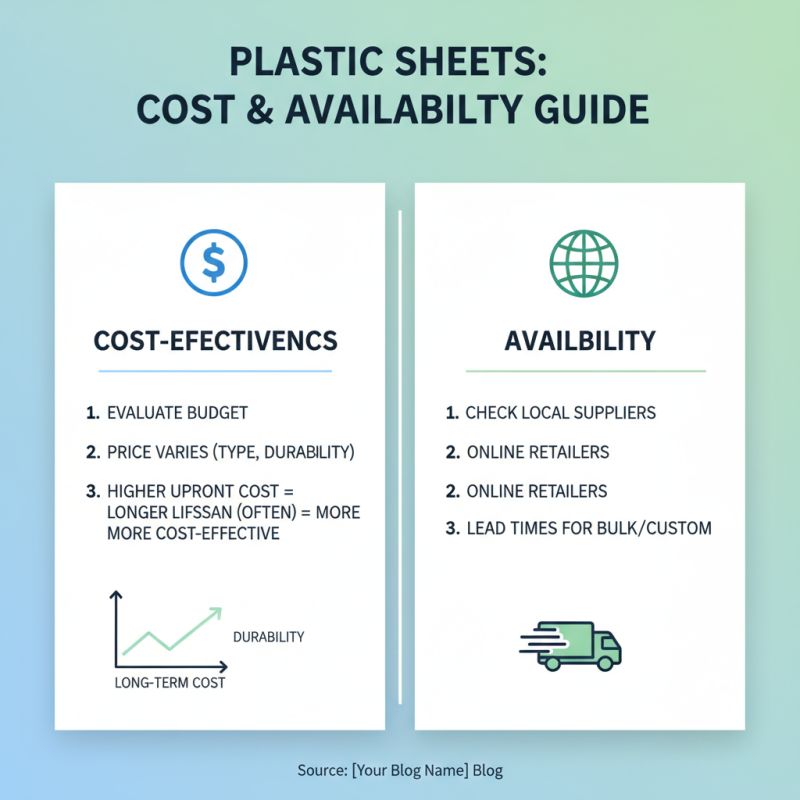
When selecting plastic corrugated sheets, cost-effectiveness and availability are critical factors to consider. Evaluate your budget before making a decision. Different types of plastic sheets vary in price, which can affect your overall project costs. For example, sheets with higher durability often might present a higher upfront cost. However, they often end up being more cost-effective in the long run due to their lifespan.
Availability can also impact your choices. Not all suppliers have consistent stock, which could delay your project. It’s wise to research local suppliers and their inventory levels. Assess delivery times and costs, especially if you require a large quantity. Ultimately, aligning your budget with the features you need is essential. Take time to reflect on what specifications matter most. While saving money is important, don’t forget about quality and performance for your project. Having to revisit your choices due to poor material can be frustrating.