What Is Corrugated Sign Board and How Is It Used?
Corrugated Sign Board is a lightweight panel made from fluted plastic sheets, usually polypropylene. Its internal ribs create strength without adding much weight. Unlike corrugated cardboard, it resists light rain, splashes, and short-term outdoor exposure. This makes it useful for practical, highly visible communication.
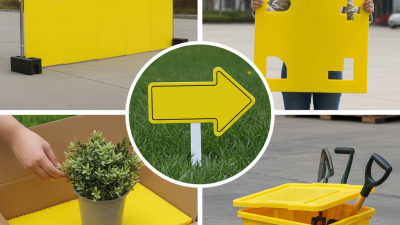
Businesses use Corrugated Sign Board for property listings, event directions, retail promotions, construction notices, and temporary safety messages. A printed panel can display bold lettering, arrows, logos, or simple color blocks. It is often mounted with stakes, cable ties, adhesive strips, or metal frames. For example, a real estate sign may stand beside a sidewalk, while an event board guides visitors from a parking area. The surface should be clean and dry before application. Poor mounting can cause curling, movement, or early failure.
Material thickness, flute direction, ink quality, and installation conditions affect performance. Outdoor boards need suitable UV-resistant printing when sunlight is strong. Indoor signs may require less protection. Corrugated Sign Board is affordable, but it is not indestructible. Sharp edges, heavy wind, repeated bending, and unsuitable adhesives can damage it. That limitation matters.
Reliable suppliers should provide clear specifications, sample prints, and realistic durability guidance. Buyers should also confirm dimensions, color requirements, fixing methods, and expected use time. A board that looks excellent on a screen may appear weaker in natural light. Careful testing remains worthwhile. This guide explains the material, its common applications, and the practical decisions that help produce clearer, safer, and longer-lasting signs.
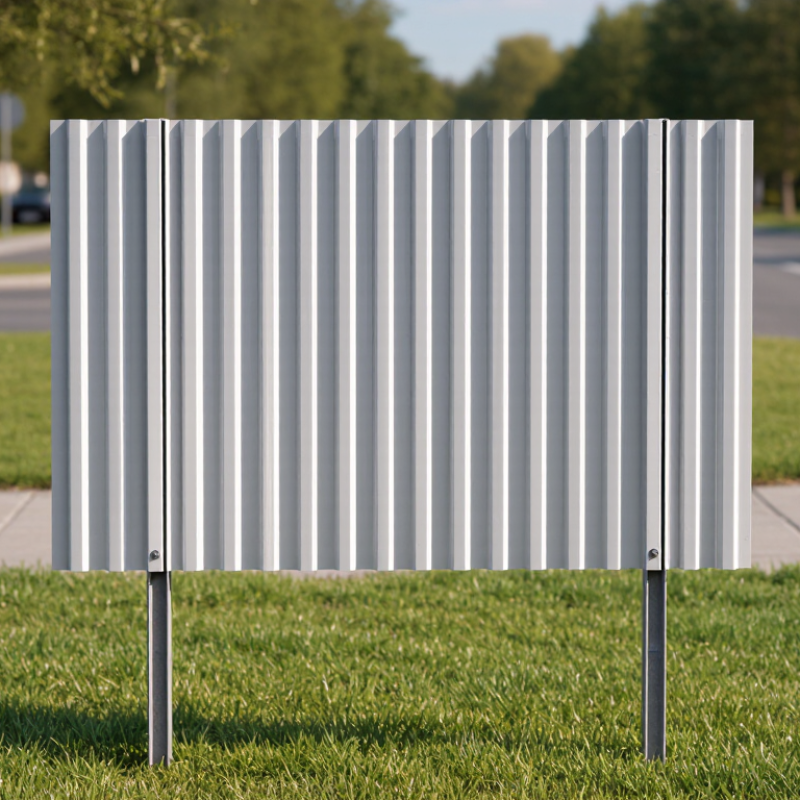
Definition and Structure of Corrugated Sign Boards
What Is Corrugated Sign Board and How Is It Used?
Corrugated sign board is a lightweight panel made with a fluted core between two flat liner sheets. The flutes are the ridges inside the board. They create space without adding much weight. Most paper-based boards use a layered structure, while some outdoor signs use corrugated plastic sheets.
The liner provides a smooth surface for printed text, images, and directional graphics. The fluted middle adds stiffness and helps the panel resist bending. Flute direction also matters. A vertical flute can improve support when the sign stands upright. A horizontal flute may suit some hanging applications. Thickness, sheet quality, and edge protection affect the final performance.
In practical use, corrugated sign boards appear at property sites, exhibitions, retail displays, school events, and temporary wayfinding points. They are easy to cut, carry, and install with stakes, clips, or simple frames. Paper versions work well in dry conditions but can soften after prolonged rain. Plastic versions handle moisture better, although strong wind can still damage unsupported panels.
From handling these signs, placement often matters as much as printing quality. A clear design can become hard to read when glare, distance, or poor mounting is ignored. Results are not always perfect. Testing one sample outdoors can reveal weaknesses before producing many signs. That small step deserves more attention.
Materials and Manufacturing Process
Corrugated sign board is a lightweight panel made from a fluted inner layer and two flat outer sheets. The flutes create air channels that add stiffness without adding much weight. Many boards use polypropylene because it resists moisture and bends slightly without cracking. Paper-based corrugated board is also available, especially for short-term indoor displays. Material selection depends on exposure, print quality, handling, and expected service life.
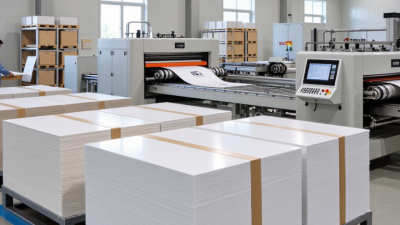
Manufacturing begins with extruding or forming the fluted core. Heat and pressure shape the material into repeated ridges. Flat sheets are then bonded to both sides of the core. For plastic boards, controlled cooling helps prevent warping. The finished panel may receive a smooth coating before digital printing or screen printing. Cutting machines create clean edges, holes, and display shapes. Small alignment errors can still occur.
In practical use, installers often place the board inside a metal frame or attach it with screws, clips, or suitable adhesive. Outdoor panels need sealed edges because water can enter through exposed flutes. Indoor signs may use thinner sheets for easier mounting. A sharp blade produces cleaner cuts, but careless pressure can crush the channels. Field measurements also matter; a panel that fits perfectly in a workshop may shift after temperature changes. Testing one sample before full production remains a sensible step.
Key Features and Performance Characteristics
What Is Corrugated Sign Board and How Is It Used?
Key Features and Performance Characteristics
Corrugated sign board is a lightweight panel made from fluted plastic or layered paper sheets. Its inner ribs create stiffness without adding much weight. This structure makes the board easy to carry, cut, mount, and replace during short-term displays.
In practical use, the surface supports printed graphics, directional messages, safety notices, and event information. Smooth plastic faces usually produce sharper colors and better resistance to light moisture. Paper-faced boards feel more economical, but they can soften when exposed to rain or damp ground. The material choice should match the display period and location.
Performance depends on more than the board itself. Wind pressure, fixing points, panel size, and edge protection all affect stability. A large panel may bend when supported only at two corners. Extra supports can reduce movement. Poorly sealed edges may also allow water to enter layered materials.
It is easy to overstate durability. Corrugated board is not automatically suitable for long outdoor service. Direct sunlight can fade some printed surfaces, while repeated handling can crush the flutes. Careful storage helps. Keep panels flat, dry, and away from sharp objects. For installation, clean fasteners and evenly spaced supports usually produce a neater result. Even then, performance can vary with weather and workmanship.
Common Indoor and Outdoor Applications
Corrugated sign board is a lightweight panel made from fluted plastic between two flat sheets. The inner channels provide strength without adding much weight. It is easy to cut, print, carry, and install. In practical use, this balance makes it useful for temporary displays and short-term directional signs. It is not flawless. Strong sunlight can fade printed surfaces, while moisture may enter through unsealed edges. A careful installer checks the board, fasteners, and placement before use.
Indoor applications are common in shops, offices, schools, exhibitions, and community facilities. Retail teams use these boards for sale messages, aisle directions, and product information. Event organizers often place them near entrances, registration desks, and meeting rooms. Floor stands can guide visitors through busy spaces. Simple arrows work well. Clear contrast matters more than decoration. However, crowded designs can slow people down. I have seen attractive signs fail because the main message was too small to read from several steps away.
Outdoor applications include property notices, event directions, construction information, and temporary parking guidance. Stakes, zip ties, or grommets can secure the board, depending on wind conditions. Outdoor signs need weather-resistant printing and protected edges. They should not block walkways, visibility, or emergency access. Local placement and accessibility rules also deserve attention. Corrugated board suits temporary outdoor use, but it may need replacement after repeated rain or prolonged sun exposure. That limitation should be planned for.
Selection, Installation, and Maintenance Considerations
What Is Corrugated Sign Board and How Is It Used?
Corrugated sign board usually means fluted plastic or corrugated fiberboard with a printed surface. It is lightweight, economical, and suitable for real estate signs, event graphics, retail displays, and temporary directions. Selection depends on exposure, lifespan, and mounting method. Fluted polypropylene resists rain better than paperboard, while fiberboard offers easier recycling in suitable facilities. The U.S. EPA reported a 68.2% recycling rate for corrugated boxes in 2018, but printed sign boards may require different local handling.
Choose the thickness and flute structure carefully. A thin sheet may bend between two posts. A thicker panel handles repeated handling better, though it increases weight and cost. Confirm ink adhesion, color stability, and edge protection before ordering. Small samples help. They prevent expensive assumptions.
Installation should keep the panel flat and evenly supported. Use corrosion-resistant fasteners, oversized washers, and sealed penetrations outdoors. Do not stretch the sheet tightly across a frame; thermal movement can cause buckling. For roadside placement, check local setback, visibility, and wind-load requirements. ASCE 7 wind provisions can guide structural calculations, but a qualified installer should review permanent installations.
Maintenance is simple, not optional. Inspect corners, fasteners, fading, and trapped water monthly in harsh conditions. Clean with mild soap and a soft cloth. Avoid abrasive pads and strong solvents. The Outdoor Advertising Association of America has reported that well-maintained signs can improve viewing quality and extend useful service life, but actual durability varies sharply with sunlight, wind, and handling. Some early designs fail because drainage and removal were ignored.