500-1
500-2
500-3

Industry News

Look forward to sincere cooperation with every customer!

How to Choose Corrugated Plastic Boxes in 2026

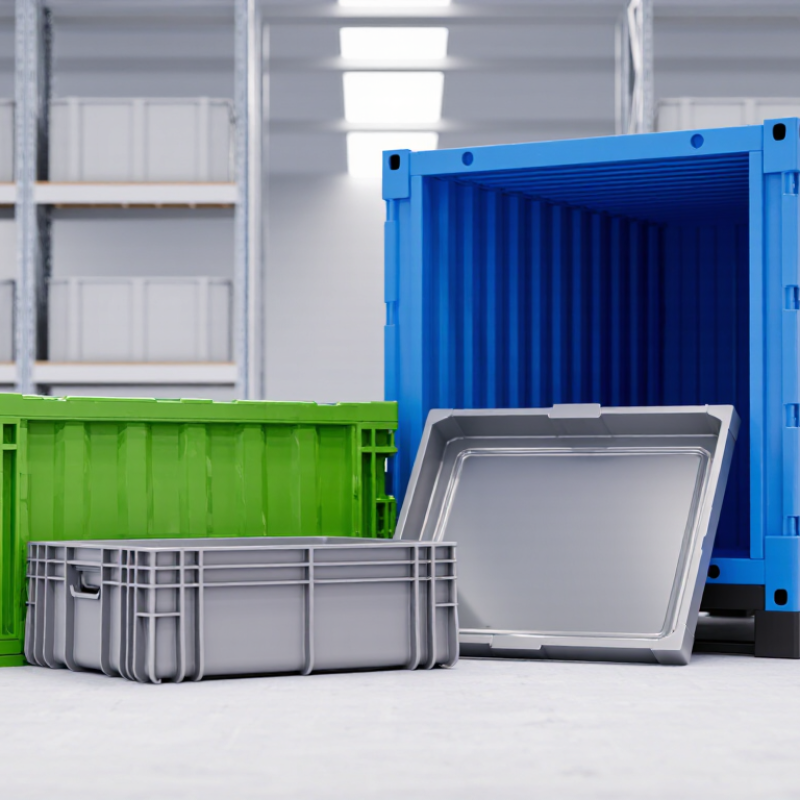
Choosing the right corrugated plastic box in 2026 starts with the job it must do. A box carrying damp produce needs different features from one holding reusable tools or delicate components. Corrugated Box Plastic is valued for its lightweight structure, moisture resistance, and ability to withstand repeated handling. Yet no material suits every load, route, or storage environment.

Start by checking the box’s dimensions, wall construction, and expected weight. A sample packed with the actual product can reveal problems that a specification sheet may miss. Look for flexing at the corners, lids that loosen during stacking, or internal space that lets items shift. These small signs matter. Ask suppliers for clear details on board thickness, load guidance, cleaning needs, and available customization. Where practical, test a sample through the same handling steps used in daily operations.

The best choice also depends on how often the box will be reused and how it will be moved. Foldable designs can save warehouse space, while solid-wall styles may offer better protection for certain contents. Still, claimed performance should be checked against real conditions; “heavy duty” can mean different things between suppliers. Consider the full lifecycle, including repair, return, and end-of-use handling, rather than focusing only on the purchase price. A careful comparison will not remove every uncertainty. It can, however, help buyers select a practical box with evidence behind the decision.
How to Choose Corrugated Plastic Boxes in 2026

Define Box Requirements by Load, Dimensions, and Reuse Cycles

How to Choose Corrugated Plastic Boxes in 2026

Define Box Requirements by Load, Dimensions, and Reuse Cycles

A reliable box choice begins with the actual load, not a catalog photo. Record product weight, weight distribution, and center of gravity. A dense metal part needs different support than lightweight garments. Add a safety margin, but avoid excessive material. Oversizing can increase cost and reduce handling efficiency.

Measure the product at its longest, widest, and highest points. Then allow space for separators, protective pads, and easy removal. A tight fit may reduce movement, yet it can damage corners during loading. In warehouse trials, I have found that small dimensional errors create large stacking problems. My early estimates were too optimistic. Recheck measurements after packaging, not only before it.

Reuse cycles should guide wall thickness, fold design, and surface protection. A box used twice may need simple reinforcement. A box returning through several facilities needs durable edges, secure closures, and resistance to moisture and abrasion. Track actual cycles with a simple inspection sheet. Look for bowed panels, cracked folds, and weakened openings. Not every damaged box needs replacement, but ignoring minor failures can disrupt a shipment. Test loaded boxes on the intended pallet pattern. Real handling often exposes weaknesses that laboratory assumptions miss.

Compare Flute Profiles and Sheet Thickness Using Manufacturer Specifications

How to Choose Corrugated Plastic Boxes in 2026

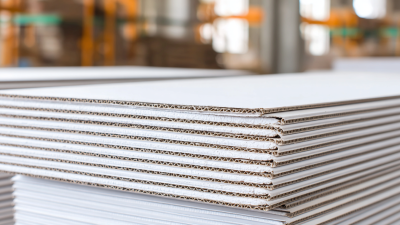
Manufacturer specifications are a better starting point than vague claims such as “heavy duty.” Compare flute profile, sheet thickness, and stated tolerances on each candidate sheet. A twin-wall profile may suit general storage, while a thicker or differently shaped flute can improve stiffness for larger panels. But flute names alone do not guarantee equal performance. Check the manufacturer’s actual measurements and ask whether thickness refers to the sheet or one wall. Small differences matter. A box holding flat parts may perform well, while the same design can bow under stacked, concentrated loads.

Tips: Request a specification sheet and a physical sample. Measure several spots with calipers; edges and corners can vary. Ask for thickness tolerance, sheet weight, flute geometry, and test details. Compare like with like, since test methods and conditioning can affect results. Then load a sample box with the real contents and stack it for the expected storage period. Check for sagging, crushed corners, and loose folds. This practical check can reveal problems the data sheet misses.

Consider temperature and repeated handling, too. Cold conditions may make some sheets less forgiving, while sun exposure can affect long-term use. Keep notes on the sample, load, and storage conditions. I have found that a neat specification table can still leave one awkward question: how consistently will production sheets match it? Ask the supplier to explain inspection practices, and verify a delivered batch before committing to a large order.

Select Resin by Temperature Range and ASTM D648 Heat-Deflection Data

How to Choose Corrugated Plastic Boxes in 2026

Resin selection should begin with the box’s real temperature range. A cold-chain box may face freezer storage, warm loading docks, and direct sunlight. Polypropylene often suits moderate heat and repeated handling. Other resins may perform better in colder or hotter conditions. The correct choice depends on wall thickness, load, ventilation, and exposure time.

ASTM D648 heat-deflection temperature provides useful comparison data. It measures when a plastic specimen bends under a specified load. It does not define the resin’s maximum service temperature. A box carrying glass parts needs more thermal margin than an empty return container. Check the test stress, specimen details, and conditioning method. Data without context can mislead. A neat number is not a complete engineering answer.

Tips: Compare the ASTM D648 value with your highest working temperature, then add a practical safety margin. Test a filled box through heating and cooling cycles. Inspect corner collapse, lid fit, and panel warping. Do not rely on a catalog value alone. In real applications, sunlight and stacked weight can expose weaknesses quickly. A common mistake is choosing the highest heat-deflection value without checking low-temperature impact strength. That choice may look efficient, but it can fail during winter transport. Record actual temperatures with a small data logger. Review the result honestly. The first design may need revision.

Verify Compression Strength with ASTM D642 and Drop Resistance with ASTM D5276

How to Choose Corrugated Plastic Boxes in 2026

A reliable box must resist both stacking pressure and accidental drops. ASTM D642 helps evaluate compression strength in controlled conditions. The test measures how much load a container can withstand before significant deformation. Request the test load, conditioning temperature, sample size, and failure point. These details matter. A single strength number can mislead. Box size, wall thickness, flute design, and contents all affect performance. Compare results from boxes with similar dimensions and construction.

ASTM D5276 evaluates drop resistance for loaded shipping containers. The test uses defined drop heights, orientations, and impact surfaces. Ask whether the box was tested empty, partially loaded, or fully loaded. A realistic test should reflect the product’s actual weight and internal arrangement. Corners often show damage first. Lids, hinges, and closure points also deserve close inspection. Check whether the container still opens, closes, and protects its contents after impact.

Good purchasing decisions combine laboratory data with field evidence. Review test dates, conditioning methods, photographs, and any visible deformation. Reusable boxes need repeated testing, not only one successful drop. This is where many evaluations remain incomplete. Real handling includes vibration, moisture, uneven stacking, and hurried loading. ASTM results offer a dependable comparison, but they do not predict every warehouse event. Select a safety margin, then validate the box with a small shipment trial. Record failures honestly. That record may improve the next specification.

How to Choose Corrugated Plastic Boxes in 2026 - Verify Compression Strength with ASTM D642 and Drop Resistance with ASTM D5276

Typical Use Recommended Box Size
(External, L × W × H)
Suggested Twin-Wall PP Thickness Typical Contents Mass Example Stacking Condition Calculated Static Load* Suggested ASTM D642 Screening Load** Example ASTM D5276 Drop Height***
Light components, document protection, retail parts 400 × 300 × 200 mm 2.0–3.0 mm Up to 5 kg 3 boxes high; 5 kg per box 98 N At least 196 N, using a 2.0 safety factor 760 mm for a test package up to 9.1 kg
General warehouse parts and reusable internal transport 600 × 400 × 300 mm 3.0–4.0 mm Up to 10 kg 4 boxes high; 10 kg per box 294 N At least 588 N, using a 2.0 safety factor 610 mm for a test package from 9.1 to 18.1 kg
Dense hardware, tools, machine components 800 × 500 × 400 mm 4.0–5.0 mm Up to 20 kg 4 boxes high; 20 kg per box 589 N At least 1,177 N, using a 2.0 safety factor 460 mm for a test package from 18.1 to 27.2 kg
Large reusable containers for industrial handling 1000 × 600 × 500 mm 4.0–6.0 mm with reinforced edges Up to 30 kg 3 boxes high; 30 kg per box 589 N At least 1,766 N, using a 3.0 safety factor 310 mm for a test package from 27.2 to 45.4 kg

* Static-load calculation: Example stacking load = (number of boxes above the lowest box) × box mass × 9.81 m/s². Actual design loads should also consider pallet deflection, storage duration, humidity, temperature, load distribution, and unsupported panel spans.

** ASTM D642: Use this test method to measure the compressive resistance of the complete container or prepared specimen. The screening loads shown above are engineering targets calculated from the example stacking conditions; they are not universal ASTM pass/fail requirements.

*** ASTM D5276: Use this method for free-fall drop testing of loaded containers. The listed heights are example test levels commonly associated with gross-weight ranges; the final sequence, orientation, number of drops, and acceptance criteria should be defined by the distribution hazard and packaging specification.

Material selection note: Corrugated plastic boxes are commonly made from twin-wall polypropylene. Higher thickness, smaller unsupported panels, folded or reinforced edges, and correctly designed lids can improve compression and drop performance, but the finished box should be tested in its actual configuration.

Confirm Test Conditioning Under ASTM D4332 Before Finalizing Box Design

When choosing corrugated plastic boxes in 2026, specify how samples will be conditioned before testing. ASTM D4332 provides procedures for conditioning packaging materials and packages in controlled atmospheres. Temperature and humidity can influence material behavior, even when the box is made from moisture-resistant plastic.

Record the chosen atmosphere, exposure time, and sample details. Let boxes reach the required condition before measuring dimensions, stacking strength, or closure performance. Keep test specimens and controls in the same environment. A box tested straight from a cold warehouse may behave differently after sitting in a warm, humid room. Small changes matter.

Match the conditioning plan to the box’s intended use, not just a convenient laboratory setting. For example, a container shipped through humid storage may need evaluation after exposure to elevated humidity. Check the current ASTM D4332 edition and document any deviations. Conditioning alone does not reproduce every shipping stress. Real routes are messy. Vibration, uneven loads, and repeated handling can expose weaknesses that a controlled test misses. I have seen a neat lab result feel reassuring, then prove incomplete once actual packing habits entered the picture. Keep that limitation visible when finalizing wall thickness, flute direction, and lid fit.