Top 10 Benefits of Corrugated Plastic for Global Buyers?
In recent years, corrugated plastic has gained popularity across various industries. This lightweight and versatile material offers numerous benefits for global buyers. Its unique structure provides durability and resistance to weather, making it ideal for outdoor applications. Many professionals have found that corrugated plastic can withstand tough conditions, ensuring long-term use.
Corrugated plastic is also eco-friendly, often made from recycled materials. Many businesses are looking to reduce their environmental impact, and this material aligns perfectly with that goal. However, some buyers may overlook the importance of quality. Subpar products can lead to wasted resources and unsatisfactory outcomes. It's essential to evaluate suppliers and seek reliable options.
For those considering corrugated plastic, understanding its benefits is crucial. From cost-effectiveness to customization options, its advantages can significantly impact product performance. Engaging with experts in the field can further enhance one's knowledge and ensure informed purchasing decisions. Ultimately, the choice of corrugated plastic can lead to sustainable and efficient solutions in various applications.
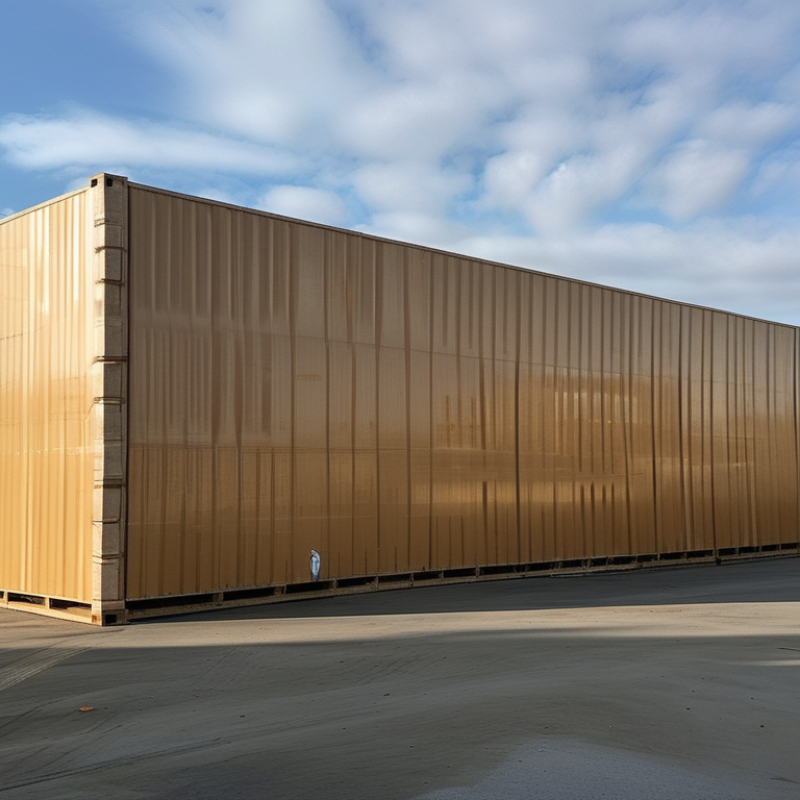
Overview of Corrugated Plastic and Its Global Significance
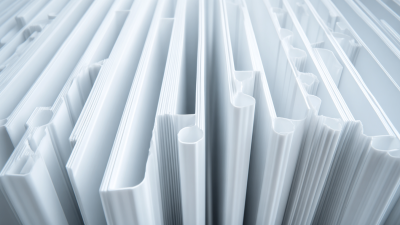
Corrugated plastic, also known as twin-wall plastic, has gained traction worldwide for its versatility. This material is lightweight yet durable. It offers a robust solution for packaging, construction, and signage. In North America alone, the corrugated plastic market is projected to grow to $2.5 billion by 2025, as reported by industry analysts. This growth highlights its rising importance in various sectors.
The global significance of corrugated plastic lies in its eco-friendliness. Many manufacturers are adopting recyclable or biodegradable materials, enhancing sustainability efforts. Data suggests that using recycled content in plastic production could reduce carbon emissions by around 30%. However, the journey towards a fully sustainable supply chain is still ongoing. Challenges around waste management and recycling protocols need addressing.
Moreover, the adaptability of corrugated plastic has led to innovative applications, from agricultural uses to interior design elements. Its resistance to moisture and UV light makes it suitable for diverse environments. As businesses expand globally, the demand for reliable, eco-conscious materials will likely increase. Investing in corrugated plastic products can offer long-term benefits for companies aiming to improve their operational efficiency and sustainability.
Durability and Longevity: Key Advantages in Various Applications
Corrugated plastic has become a favored choice for various applications due to its durability and longevity. One of its most impressive features is its resistance to harsh weather conditions. Whether it’s sun, rain, or snow, corrugated plastic can withstand exposure and remain intact. This longevity reduces the need for frequent replacements, saving both time and money for buyers.
In addition to weather resistance, corrugated plastic is lightweight yet strong. This characteristic makes it easier to transport and handle during installation. Users often find it beneficial in settings such as outdoor signage and temporary structures. However, one must consider that while it is durable, it is not completely impervious to damage. In high-impact situations, it might still crumple or warp. Thus, careful consideration of its application environment is essential for maximizing its benefits.
Another important aspect of corrugated plastic is its recyclability. It can be repurposed into new products, thus supporting sustainability efforts. However, not all buyers are aware of the proper recycling processes. Education on effective disposal and recycling can enhance its sustainability benefits. Overall, its durability makes it a tempting choice, but users should remain mindful of its limitations.
Lightweight Nature of Corrugated Plastic for Transportation Efficiency
Corrugated plastic has become a popular choice for global buyers. Its lightweight nature significantly enhances transportation efficiency. When shipping goods, every ounce counts. Traditional materials can add unnecessary weight, leading to higher costs. Corrugated plastic, being lightweight, offers a practical solution. It reduces shipping expenses and minimizes carbon footprints.
The versatility of corrugated plastic extends beyond weight. Its durability makes it suitable for various applications. From packaging to signage, this material can withstand harsh conditions. However, it's essential to consider its limitations. Corrugated plastic may not be as rigid as some heavier alternatives. Buyers should evaluate their specific needs before opting for this flexible option.
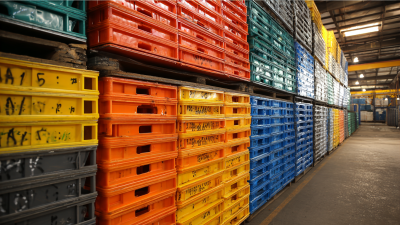
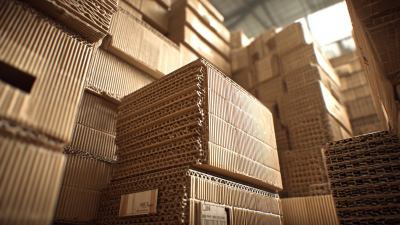
Another aspect worth mentioning is the storage of corrugated plastic. Its lightweight characteristic allows for easy stacking and storage. This can lead to significant savings on warehouse space. But, it's crucial to avoid overloading it, as this might compromise its integrity. Thoughtful handling and storage practices are necessary to maintain its performance across different applications.
Cost-Effectiveness: Comparing Corrugated Plastic to Alternative Materials
Cost-effectiveness is a key reason why global buyers are turning to corrugated plastic over traditional materials. It often costs less than cardboard and wood, particularly when accounting for longevity. This material resists moisture and damage, reducing the frequency of replacements. Users can save money in the long run, as fewer replacements lead to lower overall costs. Additionally, its lightweight nature means reduced shipping expenses.
When comparing corrugated plastic to alternatives, consider the environmental impact. While it is recyclable, the processes differ. Cardboard decomposes faster but may not endure as long in certain applications. The decision becomes complex when balancing price and sustainability. It's worth examining which features matter most for specific uses.
Choosing corrugated plastic can lead to savings, but not all uses benefit equally. It's essential to evaluate the application thoroughly. Sometimes, more durable or larger options can incur higher costs upfront without guaranteeing better value. Looking into bulk purchasing is advisable for those needing large quantities, as this often leads to additional discounts.
Environmental Impact: Sustainability Benefits of Using Corrugated Plastic
Corrugated plastic has emerged as a sustainable packaging option for global buyers. Its lightweight nature reduces transportation emissions significantly. According to industry reports, shifting to corrugated plastic can lower carbon footprints by up to 30%. This is crucial for businesses aiming to meet environmental standards.
Recyclability is a standout benefit of corrugated plastic. It can be recycled multiple times without losing its structural integrity. Data shows that over 75% of this material can be reused or repurposed. This helps to decrease landfill waste, mitigating its impact on the environment. Reports indicate that plastic recycling can save up to 1,500 tons of carbon dioxide for every 20,000 plastic containers recycled.
Despite these advantages, some companies may struggle with integrating corrugated plastic into existing processes. Transitioning materials requires careful planning and investment. Not all suppliers may be knowledgeable about sustainability practices related to corrugated plastic. This gap in expertise can hinder effective adoption. Addressing these challenges is essential for maximizing the sustainability benefits of corrugated plastic.