500-1
500-2
500-3

Industry News

Look forward to sincere cooperation with every customer!

What Is a Corrugated Plastic Sign and What Is It Used For?

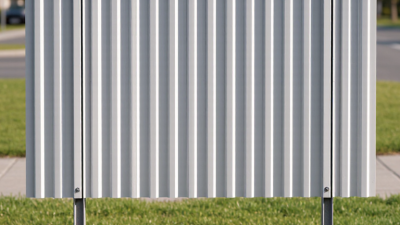
A Corrugated Plastic Sign is a lightweight panel made from fluted polypropylene, often called corrugated plastic or coroplast. Its twin-wall structure creates narrow internal channels, giving the sheet strength without adding much weight. Picture a lawn sign flexing in a morning wind, supported by two thin wire stakes. That simple construction explains its popularity.

Industry reports support this practical demand. Grand View Research’s 2024 analysis identifies corrugated plastic sheets as a growing market, driven by reusable packaging, retail displays, construction protection, and outdoor communication. Smithers also reports continuing growth in lightweight plastic packaging and display materials, where durability and low transport weight remain important purchasing factors. These reports do not measure every sign application separately. That limitation matters.

Dan Antonelli, a veteran sign designer and author, has described signage as a “silent salesperson.” A Corrugated Plastic Sign performs that role beside roads, outside businesses, at property listings, and during community events. It can carry a bold logo, a short instruction, or a temporary directional message. Printing is usually quick, and installation requires little equipment.

Still, the material is not magic. It can crease, fade, or become brittle under prolonged sunlight and severe weather. A sign placed against a rough wall may also wear faster than expected. Choosing suitable ink, thickness, edge protection, and fastening methods requires judgment. The cheapest panel is not always the most reliable choice. This article examines what corrugated plastic signs are, how they are produced, where they work best, and which practical details buyers sometimes overlook.

What Is a Corrugated Plastic Sign and What Is It Used For?

Definition and Basic Structure of Corrugated Plastic Signs

What Is a Corrugated Plastic Sign and What Is It Used For?

Definition and Basic Structure of Corrugated Plastic Signs

A corrugated plastic sign is a lightweight sheet made from polypropylene. Its core contains narrow vertical flutes between two flat outer surfaces. This structure resembles cardboard, but it resists moisture and moderate impact better. The sign feels rigid in your hands, although it can bend under strong wind.

The material is commonly used for property notices, event directions, construction messages, election displays, and temporary retail graphics. Its low weight simplifies transport and installation. A typical sheet can be cut with a utility knife, then fixed using wire stakes, screws, or adhesive systems. Printing usually covers one or both outer faces. The fluted edges remain visible when the sheet is cut.

Industry data explains why material selection deserves attention. The OECD’s Global Plastics Outlook reports that global plastics production reached 460 million metric tons in 2019, nearly double the 2000 level. The U.S. Environmental Protection Agency also recorded 35.7 million short tons of plastic waste in 2018, with an 8.7% recycling rate. These figures do not describe signs specifically, but they expose a practical concern: short-term signage can create avoidable waste. Reuse matters. A durable sign used through several campaigns may perform better than several cheaper replacements. Still, recycling depends on local facilities, clean material, and correct separation. That part is often overlooked.

Materials and Manufacturing Process

A corrugated plastic sign uses fluted polypropylene sheets between two smooth plastic faces. The flutes reduce weight while adding useful stiffness. According to PlasticsEurope’s Plastics—The Fast Facts 2024, global plastic production reached 413.8 million tonnes in 2023. Polypropylene remains important because it combines low density, moisture resistance, and practical impact strength. However, material choice still needs care. Thin sheets can bend in strong wind, while exposed edges may crush during transport.

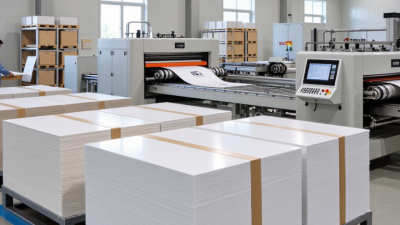
Manufacturing begins with polypropylene pellets, colorants, and selected additives. An extruder melts this mixture and pushes it through a shaped die. Internal rollers form the fluted core, then cooling stabilizes the sheet. Manufacturers often treat the surface before digital or screen printing. This improves ink adhesion, though it is not always perfectly consistent. Signs may then be trimmed, drilled, folded, or fitted with stakes and grommets. ISO 1873-1 and ASTM D4101 provide useful guidance for polypropylene material specifications and testing. The process looks simple.

A 2023 report from the OECD estimated that only 9% of global plastic waste was ultimately recycled. That figure matters when designing short-term signage. Clean, single-material sheets are easier to sort than printed composites with metal fittings. In practice, recycling access depends on local collection systems, contamination, and sheet thickness. A recyclable material is not automatically recycled. That assumption deserves more scrutiny.

What Is a Corrugated Plastic Sign and What Is It Used For? — Materials and Manufacturing Process
Data Dimension Item Verified Description and Typical Data
Product Definition Corrugated Plastic Sign A lightweight, rigid sign panel made from a twin-wall sheet with two flat outer layers connected by internal ribs or flutes. It is commonly used for temporary, semi-permanent, and short-term outdoor graphics.
Primary Material Polypropylene The most common substrate is corrugated polypropylene, a thermoplastic polymer known for low density, moisture resistance, chemical resistance, and good impact tolerance.
Material Structure Twin-Wall Construction Two parallel plastic sheets are separated by vertical or angled ribs. This structure increases stiffness while using less material than a solid plastic sheet of similar thickness.
Common Thickness 4 mm to 6 mm A thickness of approximately 4 mm is widely used for general signs, while 6 mm provides additional rigidity for larger panels, freestanding displays, and windy locations.
Common Panel Sizes Custom Sheet Dimensions Panels are commonly produced in standard sheet formats or cut to custom sizes. Typical sign dimensions include approximately 300 × 450 mm, 450 × 600 mm, 600 × 900 mm, and 600 × 1200 mm.
Weight Characteristic Lightweight Design The hollow fluted structure gives the panel a low weight compared with solid plastic, metal, or wood-based boards of similar dimensions, making transport and installation easier.
Manufacturing Process Sheet Extrusion Polypropylene resin is melted and pushed through a shaped die to form two outer skins and internal ribs. The emerging sheet is cooled, stabilized, and trimmed to the required width.
Surface Preparation Cleaning and Treatment The plastic surface may be cleaned, corona-treated, or otherwise prepared to improve ink, coating, or adhesive bonding because untreated polypropylene has relatively low surface energy.
Graphic Application Direct Printing or Applied Film Graphics may be printed directly onto the sheet using suitable digital or screen-printing systems, or applied as pressure-sensitive lettering and printed film. White or opaque layers can improve color visibility.
Finishing Operations Cutting and Hole Making Finished panels can be trimmed with blades, routers, or die-cutting equipment. Eyelets, slots, or drilled holes are often added for cable ties, stakes, screws, or hanging hardware.
Weather Performance Moisture Resistance Polypropylene does not absorb significant amounts of water, so corrugated plastic signs resist rain and humidity better than paperboard signs. Edges and printed surfaces can still affect long-term outdoor performance.
Outdoor Durability Short-Term to Semi-Permanent Use Typical service life depends on sunlight, temperature, wind, printing method, and mounting. Outdoor graphics may fade or become brittle over time if the material and inks are not selected for ultraviolet exposure.
Wind Behavior Flute Direction The direction of the internal flutes affects bending stiffness. For larger signs, orienting the flutes to support the main span can improve rigidity, while open or perforated designs can reduce wind load.
Installation Method Ground Stakes and Fasteners Common installation methods include wire or plastic stakes, zip ties, screws, clips, adhesive tape, and hanging hardware. The selected method should match the panel size, wind conditions, and substrate.
Typical Uses Real Estate and Property Notices Used for property listings, open-house directions, leasing notices, construction updates, parking instructions, and temporary identification signs.
Typical Uses Events and Wayfinding Used for event schedules, directional arrows, entry and exit signs, queue instructions, temporary room identification, and venue safety messages.
Typical Uses Retail and Promotions Used for temporary sale messages, product information, storefront notices, aisle signs, point-of-purchase displays, and seasonal promotional graphics.
Typical Uses Construction and Safety Used for hazard warnings, restricted-area notices, personal-protective-equipment reminders, traffic guidance, and temporary site information.
Advantages Low Cost and Easy Handling The material is generally economical, lightweight, easy to cut, simple to print, and convenient to transport or replace when short-term messaging is required.
Limitations Lower Rigidity Than Solid Panels Corrugated plastic can bend under concentrated loads, crush at unsupported edges, and deform under excessive heat. Large panels may require reinforcement or closer mounting points.
Recyclability Polypropylene Recycling Stream Clean polypropylene panels are generally recyclable where suitable collection and processing facilities exist. Laminates, mixed materials, metal eyelets, adhesives, and heavy contamination may complicate recycling.

Key Features and Performance Characteristics

What Is a Corrugated Plastic Sign and What Is It Used For?

A corrugated plastic sign is made from a lightweight, twin-wall plastic sheet. Internal flutes run between two smooth outer surfaces. These channels add stiffness without making the panel heavy. Most signs use polypropylene, which resists moisture and handles ordinary outdoor exposure. The surface also accepts printed graphics, lettering, and simple directional messages. A typical panel can be carried with one hand.

Key Features and Performance Characteristics

The material performs well in damp locations. Rain usually rolls away instead of soaking into the sheet. It will not rust, and routine cleaning needs only mild soap and water. Many panels include UV protection, but performance varies by material and print quality. Strong sunlight can eventually fade dark colors.

“Weatherproof” is not permanent.

Corrugated plastic signs are commonly used for property notices, construction information, event directions, school displays, and temporary promotions. Small holes can hold zip ties or wire, while ground stakes support yard signs. The fluted structure improves rigidity, yet wind can still bend a large panel. Proper spacing and secure fastening matter. A common mistake is choosing a thin sheet for an exposed location. It saves money at first, but movement can damage the edges. The material is useful, not indestructible. Check the panel thickness, printing method, mounting system, and expected exposure before installation.

Common Uses Across Industries and Environments

A corrugated plastic sign uses fluted polypropylene, a lightweight sheet with hollow channels inside. The material resists rain, dents, and short-term outdoor exposure. It also accepts digital printing and can be cut quickly. The 2024 Global Corrugated Plastic Sheets Market Report estimates the market will grow at roughly 5% annually through 2030. That growth reflects demand for practical, low-cost visual communication.

Construction crews use these signs for site entrances, pedestrian routing, and hazard reminders. Real-estate teams place them beside roads and on fences. Retailers use them for opening notices, price messages, and seasonal displays. Schools and community facilities often choose them for temporary directions because staff can move them without heavy equipment. In warehouses, small signs identify aisles, loading zones, and changing work areas. They are useful indoors, too.

Weather still matters. Strong wind can bend an undersized panel or tear a weak fastening point. A sign near direct sunlight may fade sooner than expected, especially with poor ink or no protective finish. The International Sign Association’s 2023 economic impact study reported that the U.S. sign industry supports more than 200,000 jobs, showing how widely visual communication is used. Yet “temporary” should not mean careless. Field experience suggests checking fasteners, panel edges, and visibility after severe weather. That simple inspection is easy to overlook.

Selection, Installation, and Maintenance Considerations

A corrugated plastic sign is a lightweight panel with hollow channels inside. It is commonly used for temporary notices, property information, event directions, and outdoor advertisements. Its low weight makes handling easy, but that convenience can hide important selection issues.

Choose the panel thickness according to exposure, not appearance alone. A sheltered indoor sign may need only a thin sheet, while a windy roadside location requires stronger support and better fastening. Check the printing quality, edge condition, and expected service life before ordering. Bright colors attract attention, but readable contrast matters more. Measure the sign area carefully. Small errors create frustrating gaps during installation.

Installation should keep the flutes vertical when possible. This improves stiffness and helps rain drain from the channels. Use suitable stakes, screws, or clips, and avoid crushing the plastic with excessive pressure. Leave slight clearance around mounting holes for expansion. I have seen signs fail because installers secured only one corner. Do not repeat that shortcut. Inspect the sign after severe weather, looking for loose fasteners, bent supports, fading, or water trapped inside the flutes. Clean it with mild soap and a soft cloth. Harsh solvents can damage the printed surface. Replace cracked panels promptly, although a minor crease may not require immediate replacement. Maintenance decisions should consider safety, visibility, and the sign’s actual condition rather than appearance alone.

What Is a Corrugated Plastic Sign?

Corrugated plastic signs are lightweight, fluted plastic panels commonly selected for temporary displays, directional signs, real-estate notices, event graphics, and short-term outdoor communication. Panel thickness is an important selection factor because it affects rigidity, handling, and fastening requirements.

Selection, Installation, and Maintenance Considerations

  • Selection: 4 mm panels are widely used for lightweight and short-term signs, while thicker panels provide greater rigidity for larger signs or more demanding installations.
  • Installation: Use suitable sign stakes, frames, screws, washers, or cable ties. Distribute fasteners to reduce stress around the flutes and edges.
  • Maintenance: Clean with mild soap, water, and a soft cloth. Avoid abrasive cleaners and inspect fasteners, edges, and supports regularly, especially after strong wind.

The chart shows representative corrugated plastic sheet thickness options. Actual availability and suitability vary by supplier, sign size, exposure, wind conditions, and local installation requirements.