
- export5@runpingpp.com
- 24 Hours Online



How to Choose the Best Corrugated PP Box?
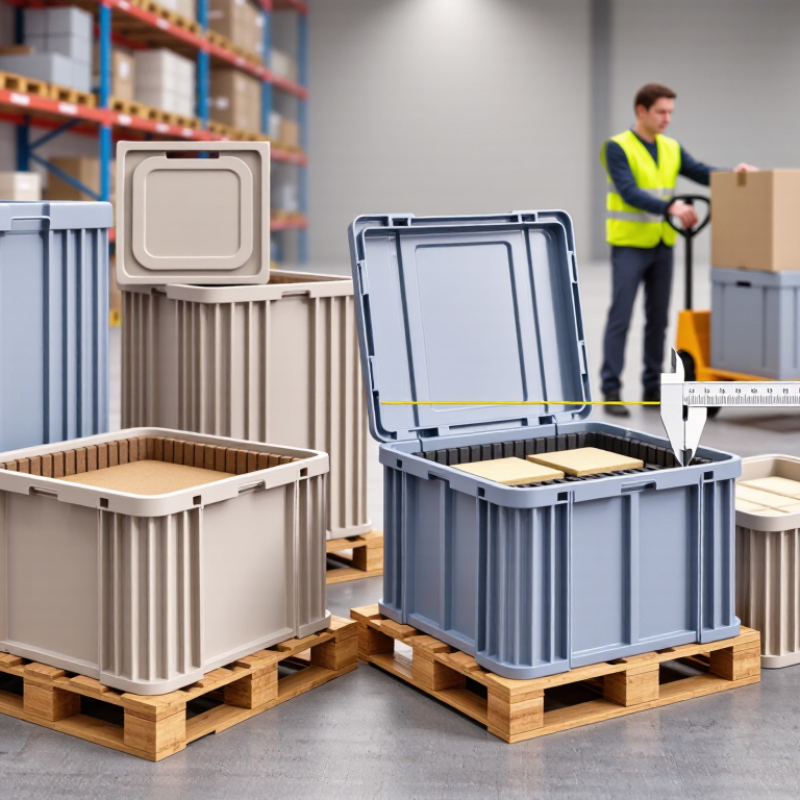
Choosing the right Corrugated Pp Box starts with the job it must do. Consider the product’s dimensions, weight, fragility, and exposure to moisture before comparing designs. A box carrying lightweight components may need different support from one holding dense parts. Check the flute structure, sheet thickness, wall strength, and edge finish. These details affect stacking performance, handling, and how well the box keeps its shape during storage. Small details matter.
The best choice also fits the way your team packs and moves goods. Measure the product with its protective inserts, then allow enough room for a secure fit without wasting material. Review closure options, printing needs, and whether the box must be reused. Ask suppliers for specifications and samples, rather than relying on appearance alone. Test before scaling. A simple trial with the actual product can reveal weak corners, awkward loading, or excess movement that a drawing may not show.
There is no single design that suits every application. Cost, durability, and ease of handling can pull in different directions, and a lower unit price may not mean better value over time. Compare options under realistic conditions, including stacking and repeated handling where relevant. Record what works, and revisit the choice if products or shipping routines change. Even a careful selection can miss something; that is a reason to test, not to guess.
Define the Box’s Purpose, Load, and Operating Conditions
How to Choose the Best Corrugated PP Box?
Define the Box’s Purpose, Load, and Operating Conditions
Start with what the box must do. Will it hold small components, carry tools, or protect products during repeated warehouse handling? Note the product’s dimensions and weight, then consider how it will be loaded and removed. A box for neatly stacked parts may need dividers; loose items may shift without them. Measure the actual contents, not just the product specifications.
Load is more than a number on a scale. Heavy items can press against the base, while uneven weight may strain corners or handles. Check whether boxes will be stacked, moved by hand, or placed on a trolley. Operating conditions matter, too: moisture, dust, temperature changes, and frequent cleaning can affect material choice and box life. If possible, test a sample with the real load. A design that looks sturdy can still flex at the wrong point. I have seen small details, like a tight-fitting lid, make daily use less convenient.
Tips: Record the heaviest load, stacking height, and handling method. Test the box in its actual work area. Leave room for improvement; the first specification may not be right.
How to Choose the Best Corrugated PP Box? - Define the Box’s Purpose, Load, and Operating Conditions
| Box purpose | Typical contents | Load to plan for | Operating conditions | Useful box features | Checks before choosing |
|---|---|---|---|---|---|
| Light-duty picking and internal transfer | Small components, packaged parts, or documents | About 2–5 kg per box; confirm contents and handling loads | Indoor use, short moves, frequent opening | Lightweight single-wall sheet, easy-access lid, handholds where needed | Check that handholds do not tear under the loaded box weight; avoid oversized boxes that let contents shift. |
| Reusable parts bin | Fasteners, fittings, or regularly replenished production parts | About 5–15 kg per box, depending on footprint and panel construction | Repeated handling, stacking, and routine cleaning | Reinforced base, folded or welded corners, replaceable label area, compatible lid | Test the filled box through repeated lift-and-set cycles; verify that the base stays flat and closures remain secure. |
| Warehouse storage and pallet stacking | Packed goods stored in rows or stacked on a pallet | Set by the contents and the weight of boxes above; there is no universal safe stacking load | Longer storage periods, variable stack height, possible temperature changes | Stiffened panels, secure lid, aligned stacking surfaces, pallet-compatible footprint | Calculate the bottom box’s compressive load and test the loaded stack; account for uneven floors and time under load. |
| Shipping and parcel distribution | Finished products shipped by parcel or less-than-truckload freight | Determine from packed product weight, package size, and expected impact exposure | Vibration, drops, compression, and handling during transport | Secure closure, protective inserts, reinforced edges, dimensions suited to outer packaging | Test the complete packed configuration, including inserts and closures; a rigid box alone may not protect fragile contents. |
| Moist or washdown-adjacent area | Tools, packaged components, or supplies exposed to splashes | Choose from the actual payload and handling method; include any liquid or residue weight | Splashing, condensation, or frequent surface cleaning | Wipe-clean polypropylene surfaces, sealed or protected edges where appropriate, drainage only if the use case requires it | Corrugated PP resists moisture better than paperboard, but openings, joints, and fittings may still admit water; check cleaning chemical compatibility. |
| Outdoor or temperature-variable use | Equipment or materials temporarily stored or moved outdoors | Use the expected payload plus any stacking or transport loads | Sunlight, heat, cold, wind, and changing weather | UV-stabilized material if prolonged sunlight exposure is expected; positive latches and a cover suited to the environment | Confirm the material grade’s temperature and UV limits with the supplier; test the finished box at the expected service temperature. |
| Product separation and kitting | Mixed parts, kits, or components that must not contact one another | Total payload plus the weight of dividers and inserts | Repeated access, picking, and replenishment | Removable dividers, compartments sized to the parts, clear identification areas | Check divider fit under vibration and handling; ensure compartment edges do not damage parts or make picking difficult. |
Selection note: Payload figures are planning examples, not rated capacities. Actual performance depends on sheet thickness and flute structure, box dimensions, folds or joints, closure design, load distribution, stacking time, temperature, and handling. Confirm requirements with a sample build and testing under the intended conditions.
Related Posts
-

7 Tips for Buying PP Corrugated Plastic Boxes?
-
How to Choose Corrugated Plastic Boxes in 2026
-
China Top Corrugated Box Plastic Manufacturers
-
China Best Corrugated Plastic Products for Global Buyers?
-
Why Choose Corrugated Plastic Box for Sustainable Packaging Solutions?
-

Is Corrugated Plastic the Best Choice for Your Packaging Needs