500-1
500-2
500-3

Industry News

Look forward to sincere cooperation with every customer!

How to Choose the Best White Corrugated Sign Board in 2026?

Choosing the right White Corrugated Sign Board in 2026 starts with the job it needs to do. A lawn sign beside a driveway faces different demands from a large indoor display. Consider the viewing distance, expected display time, and whether people will handle or move it. Small details matter.

The board’s flute structure affects stiffness, weight, and how smoothly it prints. Check the manufacturer’s stated thickness and flute type, then compare those details with the sign’s size and mounting method. A sample can reveal problems a product description may miss, such as visible ridges, rough cut edges, or ink that looks dull under bright light. Ask about print compatibility and moisture resistance, too; performance can vary by material and finish.

This guide explains how to compare these features, review supplier specifications, and choose a board for your intended use. It also considers practical trade-offs, including price, durability, and ease of installation. A heavier board is not automatically better. Nor does a low price always mean poor quality. The right choice depends on the conditions, and sometimes those are easy to misjudge. If possible, test a printed sample in the lighting and setting where the finished sign will appear. That simple check can save time and reduce unpleasant surprises.
How to Choose the Best White Corrugated Sign Board in 2026?

Understanding the Structure and Types of White Corrugated Sign Board

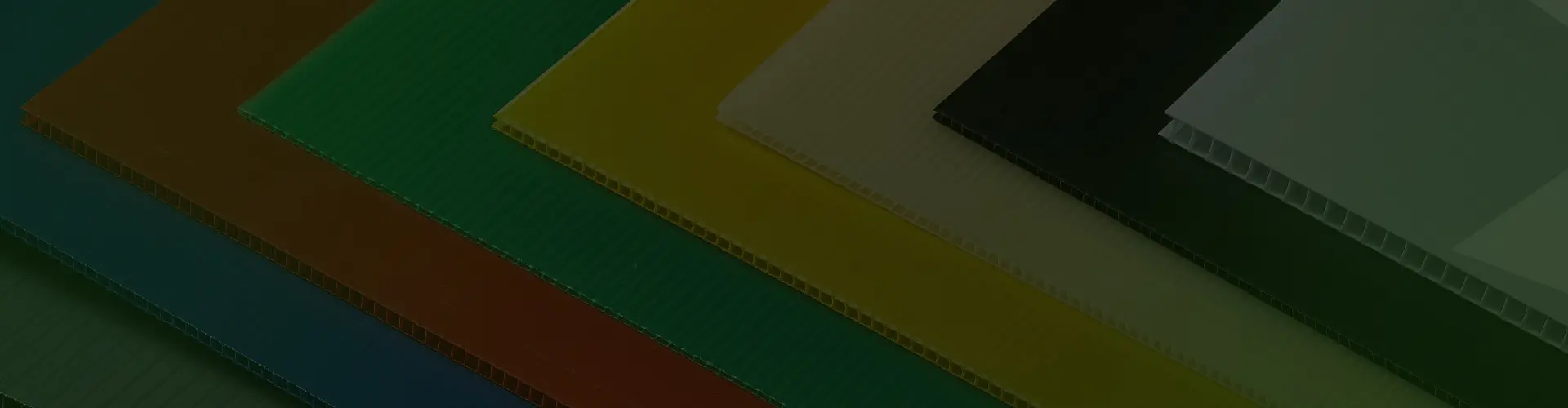
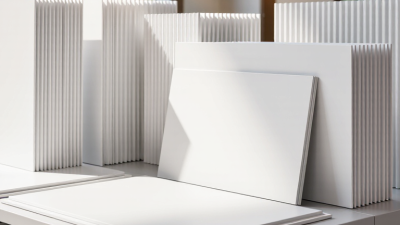
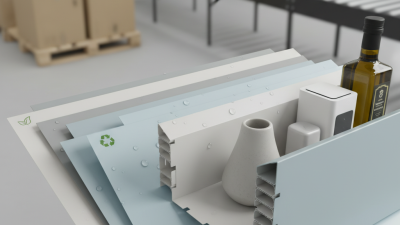
White corrugated sign board is not one material. Paper-based board has two flat liners bonded to a fluted paper core; plastic board usually has two smooth skins joined by hollow ribs. The channels make both structures light, but their performance differs. Paper grades can suit short indoor campaigns, while fluted polypropylene generally handles damp conditions better. Check the board’s thickness, flute direction, and whether one or both faces are white. Small details matter.

Single-wall board uses one fluted layer; double-wall construction adds another, often improving stiffness. Plastic sheets also vary in flute geometry and thickness. A thicker sheet is not automatically stronger: unsupported spans, wind exposure, print weight, and how the sign will be mounted all affect bending. Hold a sample by one edge and press its center. It may flex more than expected.

Material choice also affects disposal. The OECD’s Global Plastics Outlook (2022) estimates that only 9% of global plastic waste was ultimately recycled in 2019. That figure is not specific to sign boards, but it is a useful reminder to confirm local collection options before choosing plastic. For paper board, ask whether coatings or laminated faces complicate recycling. A white surface can conceal a weak core; inspect the edge and request a specification sheet rather than judging by appearance alone.

Identifying the Sign’s Intended Use and Environmental Conditions

Start with the job the sign must do, not just how it looks. A short-term indoor notice may need only clean edges and a stable surface. For a weekend event, lightweight corrugated board can be practical, especially if it will be carried or reused. Short use. If people must read it across a parking area, check letter size and contrast in daylight rather than choosing white board by color alone. Include enough margin around the message; text close to the edge can feel cramped once the sign is mounted.

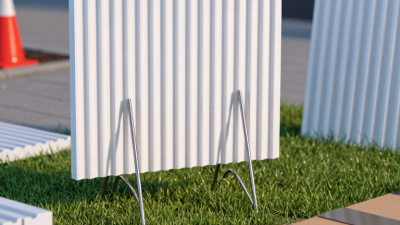
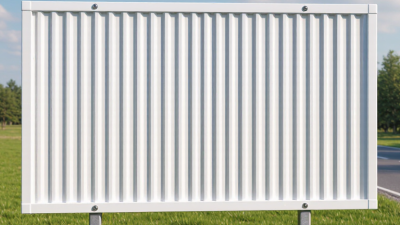
Then map the site: a sheltered wall, an open fence, or a stake beside a path. Wind can flex a large panel, so consider its size, support points, and exposure before ordering. If the board is plastic, it may handle brief damp conditions, but cut flutes and mounting holes can still collect water. Direct sun may also fade printed graphics over time. For a sign expected to stay outdoors, ask the supplier about material and print durability for that exposure. That matters. I would not assume “weather-resistant” means suitable for every season; it is a broad phrase, and the actual site can be harsher than expected. Check the forecast, installation method, and intended display period together.

Comparing Thickness, Flute Profile, Size, and Surface Quality

How to Choose the Best White Corrugated Sign Board in 2026?

Comparing Thickness, Flute Profile, Size, and Surface Quality

Thickness affects stiffness, weight, and how a board handles wind or repeated use. A thicker sheet may stay flatter, but it can be harder to cut and may not fit every sign holder. Compare actual samples, not just listed measurements. Feel the difference.

Flute profile matters too. The hollow channels add structure, and their direction can affect how a panel bends. For a tall sign, check whether the flutes run vertically when the board is displayed. If posts or stakes will be used, confirm they fit the board’s thickness. Small details matter.

Choose a size that suits the viewing distance and mounting space, while leaving room for safe trimming.

Then inspect the white surface under ordinary lighting. Look for dents, uneven color, dust, and a glossy patch that could create glare. A smooth face can help produce cleaner printed text, but test a small area if print quality is important.

A sample may look perfect on a desk and still bow when mounted outdoors; that is easy to overlook. Recheck it in the intended setup.

Assessing Print Compatibility, Durability, and Safety Requirements

How to Choose the Best White Corrugated Sign Board in 2026?

Assessing Print Compatibility, Durability, and Safety Requirements

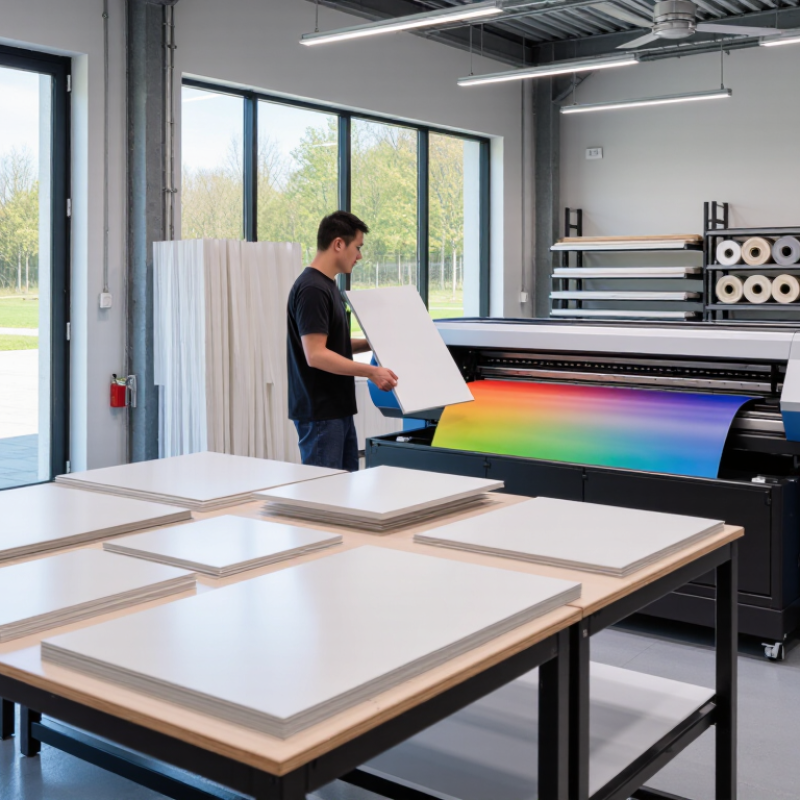
Start by matching the board’s surface to your printing method. Ink can dry unevenly on some coatings, while uncoated sheets may absorb it and soften fine details. Ask for a sample and print the same small image, text, and color blocks planned for the finished sign.

Test a sample first.

Check for smudging, dull colors, and curled edges after the ink dries. A crisp white surface can improve contrast, but glare under bright lights may reduce readability.

Durability depends on more than thickness. Look at flute strength, edge quality, and how the sign will be mounted. A board used indoors for a weekend may need different protection from one facing sun, wind, or light rain.

Keep a printed sample near the intended display area and inspect it after a few days; this simple check can reveal fading or warping. Small details matter.

For safety, consider the sign’s weight, sharp cut edges, stability, and whether its location has specific fire-performance or display requirements. Do not assume one board suits every setting. A slightly less vivid print or thicker sheet may be a sensible trade-off, though it is worth checking that the extra stiffness does not make installation awkward.

Evaluating Suppliers, Certifications, Customization, and Total Cost

When comparing suppliers, ask for a physical sample made with the same board thickness, flute profile, and white facing as your order. A bright white surface can make colors look crisp, but glare may weaken readability outdoors. Check the edges for crushing and inspect a printed sample under the lighting where people will see it. Small details matter.

Request current test reports or certifications that match the exact material and intended use. A document for a different board grade may not tell you much. Ask what was tested, when, and by whom; confirm any claimed recycled content or performance applies to the product you are buying. If the supplier answers vaguely, pause. That is useful information.

Customization affects both appearance and handling. Confirm dimensions, print coverage, mounting holes, and whether the board must resist brief exposure to moisture. A small prototype can reveal issues that a digital proof misses, though prototypes add time and cost. Compare total cost, not just price per sheet: include setup fees, minimum order quantities, packing, shipping, spoilage, and replacement terms. A cheaper board can become expensive if corners arrive bent or colors vary between batches. Get specifications and tolerances in writing, then check whether they match your real installation needs. I would not assume every requested feature is worth paying for; sometimes the specification needs another look.

How to Choose the Best White Corrugated Sign Board in 2026? — Evaluating Suppliers, Certifications, Customization, and Total Cost
Evaluation dimension Local sign shop Online trade printer Direct board converter
Best fit Short runs, local pickup, hands-on proofing, or urgent replacement signs. Standard sizes and artwork ordered through an online workflow; convenient for repeat orders. Large or recurring orders, non-standard sizes, and projects needing closer control of board specifications.
Typical minimum order Often 1–10 signs; confirm whether a setup charge applies to small batches. Commonly a small batch, with minimums varying by size and print method. Often higher than retail print channels; ask for the break-even quantity and any sheet-run minimum.
Indicative production lead time About 2–7 business days after artwork approval; local workload can affect timing. About 3–10 business days, plus shipping time. About 1–4 weeks, depending on production scheduling, print setup, and order quantity.
Customization to confirm Cut size and shape, one- or two-sided printing, corner finishing, and optional stakes. Available templates, supported sizes, print sides, color options, and whether custom cuts are offered. Flute direction, sheet thickness, resin and color specification, custom dimensions, printing, and finishing tolerances.
Material specification to request White corrugated polypropylene (PP), with stated thickness and finished dimensions on the quote. Confirm that “corrugated plastic” means fluted PP board, not paper corrugated board or solid plastic sheet. Request the PP grade, nominal thickness, sheet weight or basis weight, color consistency, and dimensional tolerances.
Certifications and documentation Ask for the board manufacturer’s technical data sheet and any applicable ink or material documentation. Request written confirmation of the substrate and printing process; do not assume a product certification from a general listing. Request current, scope-matched certificates if required. ISO 9001 indicates a quality-management system, not certification of the sign board itself. RoHS or food-contact compliance should be requested only when relevant to the application.
Quality checks before ordering Review a physical sample or press proof; check print alignment, edge quality, and color under suitable lighting. Check artwork requirements, proofing policy, replacement terms for defects, and how color variation is handled. Agree on a written sample approval, inspection tolerances, packaging method, and a process for reporting defects.
Outdoor-use considerations Ask whether the ink and board are intended for the planned exposure; request care or warranty details. Confirm whether UV-resistant ink or a protective finish is included and whether it changes the price. Request documented weathering or UV-performance information for the specific board and print system. Outdoor service life depends on exposure, installation, and print materials.
Illustrative unit-price range About US$8–15 per sign for the comparison specification below. About US$4.50–9 per sign for the comparison specification below. About US$3–6.50 per sign for the comparison specification below; setup and freight may be higher.
Estimated total for 100 signs About US$800–1,575, including an illustrative US$0–75 setup charge; pickup may reduce freight cost. About US$490–1,100, including illustrative setup and US$40–150 shipping. About US$500–1,250, including illustrative setup and US$100–300 freight.
Total-cost items to compare Printed signs, design or setup fees, stakes, tax, delivery or pickup, and reprint terms. Product price, artwork correction, setup, packaging, freight, taxes, and rush charges. Board and print cost, tooling or setup, minimum-run quantity, freight, inspection, storage, and potential overrun or scrap terms.
Comparison assumptions Planning estimates in US dollars, not supplier quotations or guaranteed market prices. Comparison basis: 100 finished signs, each 18 × 24 inches, 4 mm white fluted PP, one-sided UV printing, basic rectangular cut, no stakes, and delivery within the contiguous United States. Actual pricing varies by location, artwork, print coverage, order timing, freight, and supplier specifications. Request itemized quotes using the same specification.
Practical buying rule Choose the supplier that can document the exact substrate and print specification, provide a suitable proof or sample, meet the required delivery date, and quote the complete delivered cost—not simply the lowest unit price.