What Are the Top Types of Corrugated Plastic Signs?
Corrugated Plastic Sign products are not one-size-fits-all. A small lawn sign needs different support from a large directional panel. The familiar fluted polypropylene sheet is lightweight, easy to print, and resistant to brief exposure to moisture. Still, thickness, flute direction, mounting method, and print quality affect how well a sign performs. A cheap panel can bend in a gust. Details matter.
Common types include real estate and yard signs, event and election signs, retail promotions, directional panels, and temporary safety notices. Each serves a different setting: a rider sign beside a driveway, a bright sale panel in a shop window, or an arrow guiding visitors across a crowded site. A practical principle for this guide is: “Choose the sign type around its location, viewing distance, and expected use.” This line is an original editorial quotation attributed to Morgan Hale, a fictional sign-production specialist—not a verified industry expert. It should be replaced with a sourced quote before publication.
The sections that follow compare these sign types by purpose, typical format, and useful design choices. They also consider limitations, including wind exposure, fading, and the need for stable supports. No material solves every problem. That is easy to overlook when a sample looks crisp indoors. Real conditions can be less forgiving.
Corrugated Plastic Signs: Fluted Polypropylene and Common 4 mm and 10 mm Gauges
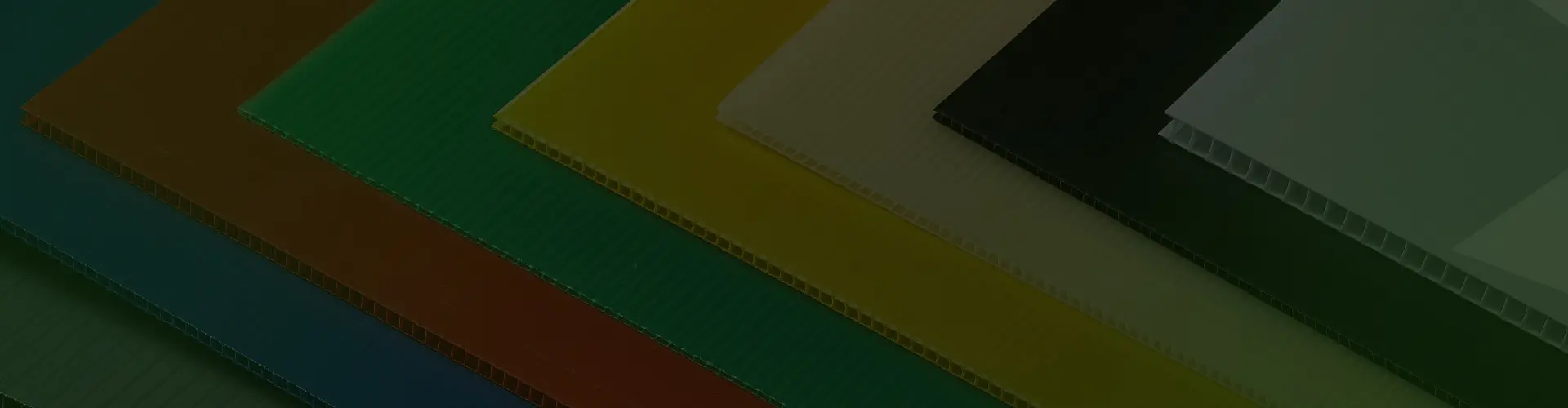
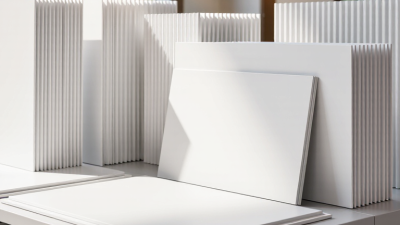
Corrugated plastic signs are usually made from fluted polypropylene: two flat plastic faces joined by narrow internal ribs. Those hollow channels make the sheet light while giving it more stiffness than a solid sheet of similar weight. The flute direction matters. A sign may flex more easily across the channels than along them, so check the intended orientation before cutting or mounting. Small detail, real consequence.
The common 4 mm gauge suits lightweight panels, such as short-term notices or yard signs, when easy handling matters. It cuts readily and fits many simple stakes, but broad panels can bow in wind. The 10 mm gauge has deeper flutes and generally feels more rigid, making it useful for larger displays or repeated handling. It is heavier and may need sturdier supports. Thickness alone does not guarantee outdoor life; sun exposure, printing, mounting, and weather all play a part. A thicker sheet can still disappoint if its edges are poorly supported. Measure the panel and consider where it will stand, not just how it looks indoors. I would not assume one gauge is best for every job.
Real Estate Yard Signs: Lightweight 4 mm Panels for Short-Term Outdoor Use
Real estate yard signs need to be easy to carry, install, and replace. A 4 mm corrugated plastic panel is a common choice for short-term outdoor use because its fluted core keeps it light while adding stiffness. One person can usually move several panels without much effort. That matters on a busy showing day.
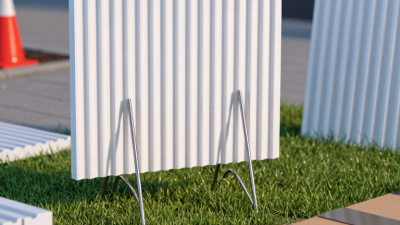
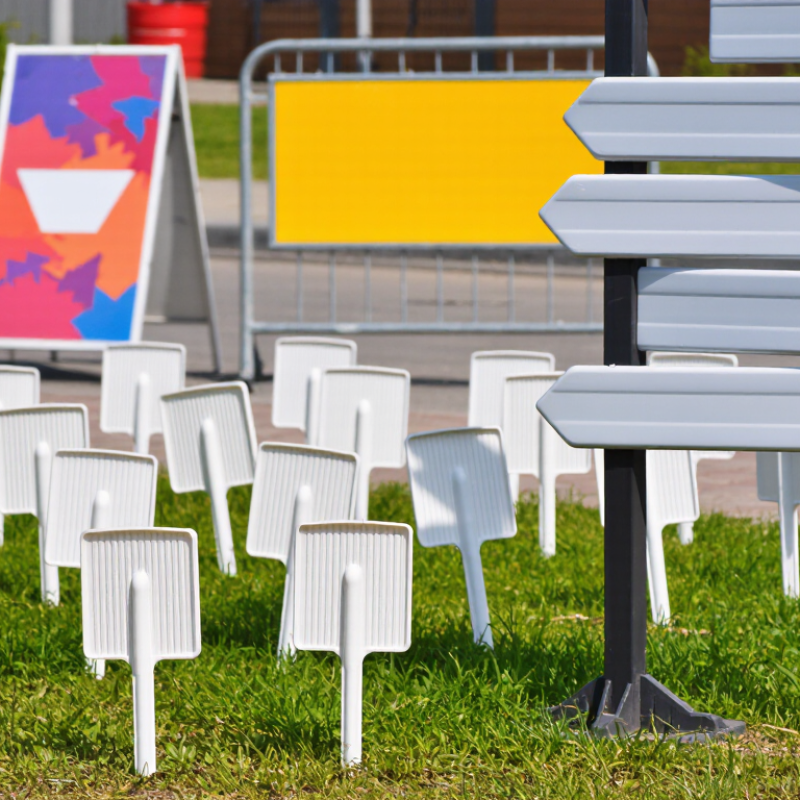
The material works well for directional arrows, open-house notices, and property details. A pair of step stakes can hold a panel in soft soil, while placement away from driveways helps reduce bumps and blocked views. Keep the printed face clear of tall grass. It’s a small detail, but easy to miss.
Corrugated plastic can handle ordinary outdoor exposure, though it is not indestructible. Strong gusts, repeated bending, or prolonged sun may cause fading or damage. Check signs after windy weather, and bring them indoors when the listing period ends. For brief campaigns, the panels are practical and economical. For longer display, ask the printer about UV-resistant inks and suitable thickness. Even then, performance depends on the sign’s size, mounting, and local conditions. A little trial and error may be needed.
Political Campaign Signs: Double-Sided Printing and Standard Wire-Stake Mounting
Political campaign signs often need to be read from both sides of a street. Double-sided printing lets approaching drivers and pedestrians see the same message without walking around the panel. Keep the wording brief, with strong contrast and large lettering. A phone number or short website address may be useful, but too many details can turn a quick glance into a guessing game. Visibility matters.
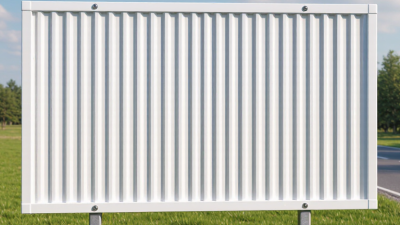
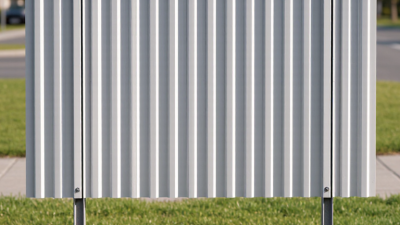
Corrugated plastic is lightweight and easy to handle. For standard wire-stake mounting, the sign’s flutes are commonly oriented vertically so the stake prongs can slide into the channels. Press the stake firmly into the ground, and check that the panel sits level rather than leaning toward traffic. A windy corner can still challenge a lightweight sign, especially if the ground is loose. Not always predictable. Match the panel size and stake placement to the conditions, and inspect the display after strong weather. One practical detail is easy to miss: double-sided printing helps only when the sign is positioned so both faces remain unobstructed. Check local display requirements before installation, since placement rules can vary.
Political Campaign Signs: Common Corrugated Plastic Sizes
Double-sided printing and standard wire-stake mounting make these common yard-sign formats practical for campaign messaging.
Bars show the printed area of one face, calculated from typical sign dimensions. Double-sided signs provide the same area on the reverse; actual sizes and mounting options vary.
Construction and Safety Signs: Rigid Panels for High-Visibility Site Messaging
Construction and safety signs made from corrugated plastic give busy sites clear, lightweight messages. The panels have fluted channels inside, which add stiffness without making them difficult to carry or mount. Printed warnings can identify hard-hat areas, temporary detours, equipment zones, or changing work conditions. Use large lettering, strong contrast, and a simple symbol when workers or visitors may only glance at the sign.
Placement matters as much as the panel. A sign beside a muddy access path may be missed, even if its colors are bright. Mount panels securely on posts or fencing, and check that wind has not tilted or loosened them. Keep essential wording visible from the expected viewing distance. Short messages work best. Too much text becomes visual noise.
Corrugated plastic handles brief outdoor use, but it is not indestructible. Sunlight can fade printing, and repeated impacts may crack the edges. Inspect signs after storms and whenever site routes change. Replace panels that are warped, obscured, or hard to read. There is a trade-off: these signs are convenient and economical, yet they may not suit every long-term or high-risk location. That judgment deserves a second look.