7 PP Corrugated Board Buying Tips for Global Buyers
Pp Corrugated Board is used for signs, protective packaging, storage boxes, and reusable display panels. Its light weight and hollow flutes can make it practical for shipping and handling. Yet product names alone reveal little. Two boards with similar thickness may differ in flute structure, sheet weight, stiffness, or surface finish. Small differences can matter. A panel that performs well indoors may bend after repeated exposure to moisture or heavy stacking.
Global buyers need to compare specifications, not just quoted prices. This guide outlines seven checks, including board thickness, material quality, load requirements, color consistency, and sample testing. It also considers production capacity, packing methods, and communication with suppliers. Ask for clear measurements and written tolerances. Check whether samples match the intended use, such as a folded box, a printed sign, or a protective divider. A quick bend test can be useful, but it cannot replace testing under real conditions. That detail is easy to overlook.
A thicker sheet is not always the better choice. It may add cost without solving the actual performance problem. Buyers should connect each specification to a handling, storage, or display need. This takes a little more care. Still, it can reduce avoidable surprises between sample approval and bulk delivery. The points below offer a practical starting framework, while leaving room for product-specific testing. Sourcing is rarely perfect on paper; a good decision comes from asking precise questions and checking the answers against the intended application.

Understand PP Corrugated Board Grades and Key Properties
PP corrugated board grades are not fully standardized across suppliers. Compare measurable properties, not grade names alone. Start with sheet thickness, mass per square metre, flute profile, and surface finish. Then check stiffness, edge-crush resistance, and impact performance against your intended load and handling conditions. A heavier sheet may still buckle if its flute geometry is unsuitable. Test the edges.
Tip: Ask for a technical data sheet and sample sheets from the same production grade. Measure thickness at several points, then test a folded sample with the actual contents inside. That practical check can reveal weak corners that a specification table misses. Request test methods and conditioning details too; results can differ when humidity and temperature vary.
Plastics Europe’s Plastics—The Fast Facts 2024 reports global plastics production of 413.8 million tonnes in 2023, with polypropylene making up about 19%. This is useful market context, not proof that one board grade performs better. For procurement, compare verified sample-test results and tolerances. Reflect on the trade-off: lower sheet mass can reduce shipping weight, but may sacrifice rigidity in tall stacks. Don’t assume “premium” means better for your application.
Define Your Application and Technical Requirements
Define the application before comparing PP corrugated board specifications. Describe what the sheet must do: protect a product, separate parts, or form a reusable box. Include the item’s weight, dimensions, and how it will be handled. A flat divider needs different stiffness from a box that is lifted repeatedly. That detail matters.
Then specify the working conditions. Note exposure to moisture, sunlight, temperature changes, and abrasion during transport or storage. State the required sheet size, thickness, weight per square metre, and flute direction where relevant. Ask the supplier to confirm tolerances, since small differences can affect folding and fit. Do not assume two boards with the same thickness perform alike.
Consider converting needs, too. Will the board be printed, die-cut, stitched, or folded? Request a sample in the intended grade and test it in a realistic setup, such as a loaded box on a warehouse shelf. Check whether corners crush or folds split. For outdoor use, ask whether the material includes UV protection and request supporting technical information. It is easy to over-specify a board before testing; sometimes the first sample reveals that the design, not the sheet, needs adjustment.
7 PP Corrugated Board Buying Tips for Global Buyers: Define Your Application and Technical Requirements
Start by matching board thickness to its intended use. The ranges below are indicative starting points, not universal specifications; confirm load, flute structure, sheet size, and operating conditions with your supplier.
Indicative thickness ranges (mm). Actual requirements vary with board design, fabrication, and use conditions.
Assess Suppliers, Samples, and Production Capabilities
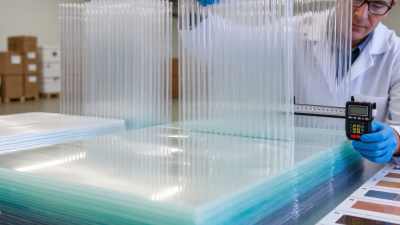
A polished sample is only a starting point. Ask suppliers for production-line samples made with the same resin grade, flute profile, color, and additives as your order. Measure sheet thickness and weight at several points, then inspect cut edges for crushed flutes. Test printed samples too; ink adhesion can change after handling. A sample can still mislead.
Request recent inspection records and written tolerances for thickness, flatness, and color. For repeat orders, ask how operators check these measures and retain batch records. OECD’s Global Plastics Outlook (2022) estimates that global plastic waste reached 353 million tonnes in 2019, with only 9% recycled after losses. This figure covers plastics broadly, not PP corrugated board specifically. Still, it makes traceable resin and recycled-content claims worth verifying rather than accepting at face value.
Production capability matters. Ask for the largest sheet size, daily output, changeover time, and backup plans for equipment downtime. Request a trial run before approving a large order. Compare sheets from the beginning, middle, and end of that run. Check that flute height, bonding, and color remain consistent. Inspect them under real conditions. Stack loaded cartons, expose a sample to expected temperatures, and note any bowing or edge damage. I would also ask what failed in past trials; not every supplier will answer clearly, but that hesitation is useful information.
Verify Quality Testing and Regulatory Compliance
For PP corrugated board, verify the test method, sample identity, and production lot—not just a pass certificate. Ask suppliers for measured thickness, board weight, impact resistance, and compression results. Where relevant, request tensile or flexural testing using recognized methods such as ISO 527 or ISO 178. An ISO/IEC 17025-accredited laboratory can strengthen confidence in the results. Even a clean test sheet leaves uncertainty if its samples came from another production lot. That gap is easy to miss.
Regulatory checks depend on the board’s end use and destination market. Request material declarations and, for food-contact applications, applicable migration-test evidence. Confirm that inks, additives, and recycled content are covered, not only the base polymer. The OECD’s 2022 Global Plastics Outlook estimated that 353 million tonnes of plastic waste were generated worldwide in 2019, with only 9% recycled. This figure covers plastics broadly, not PP board alone, but it underscores why recyclability claims need evidence and local context.
Tip: Before approving a shipment, compare a retained sample with the agreed specification. Check flute shape, cut edges, and sheet stiffness by hand, then confirm lab results against the same batch number. Keep the reports, declarations, and destination-market requirements together. A practical checklist may feel tedious; skipping one document can cost more.